
Carbohydrates are central to biochemistry, nutrition, and molecular biology. This guide introduces 18 common sugars through their chemical structures, names, and classifications, followed by an interactive structure-recognition quiz.
1. What Are Carbohydrates?
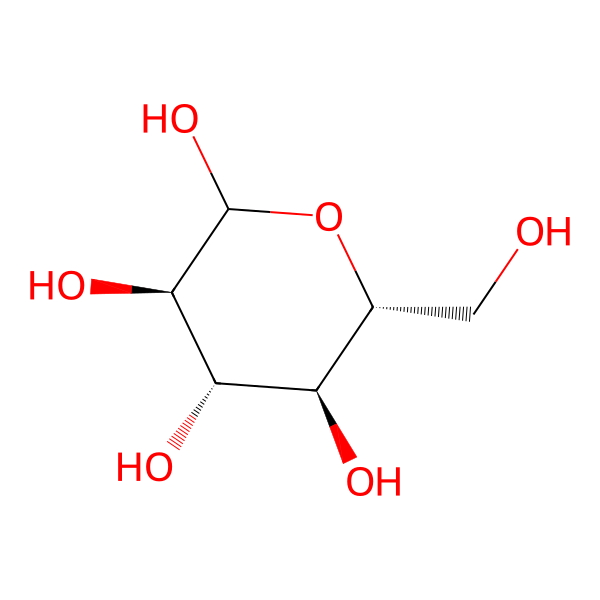
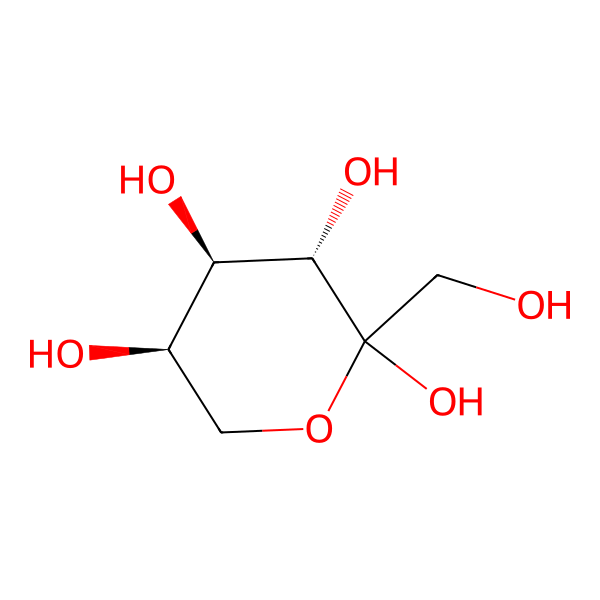
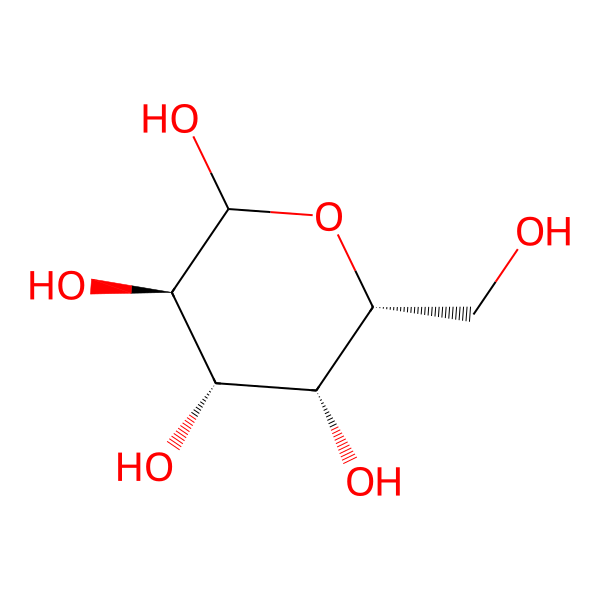
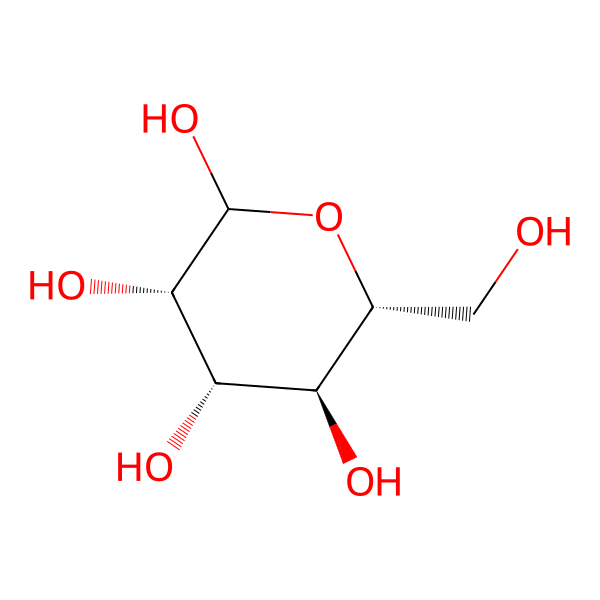
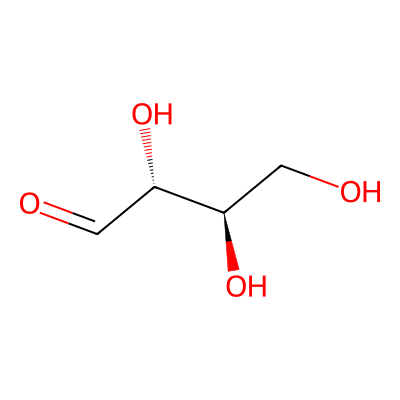
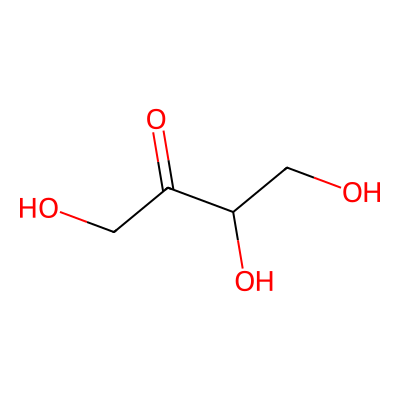
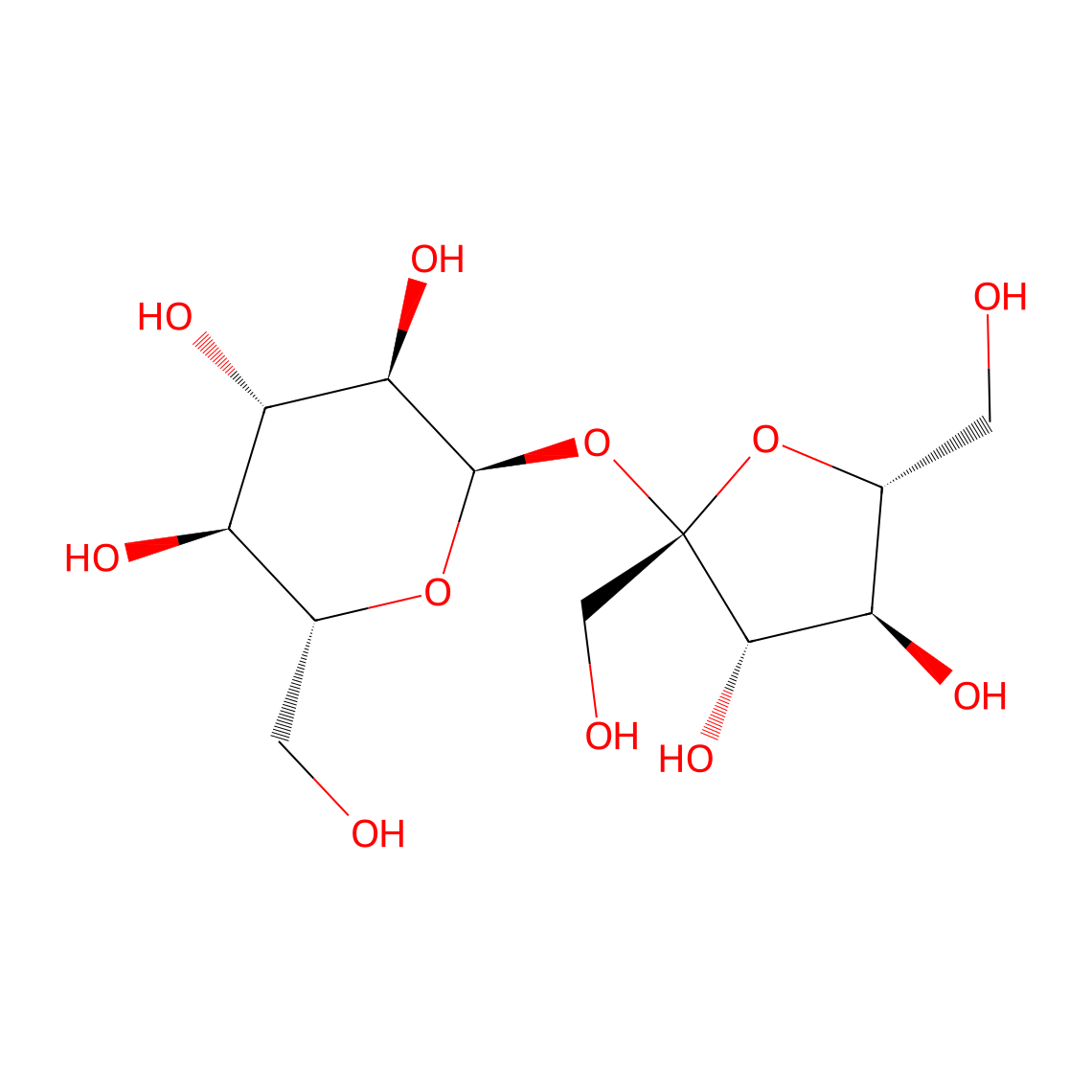
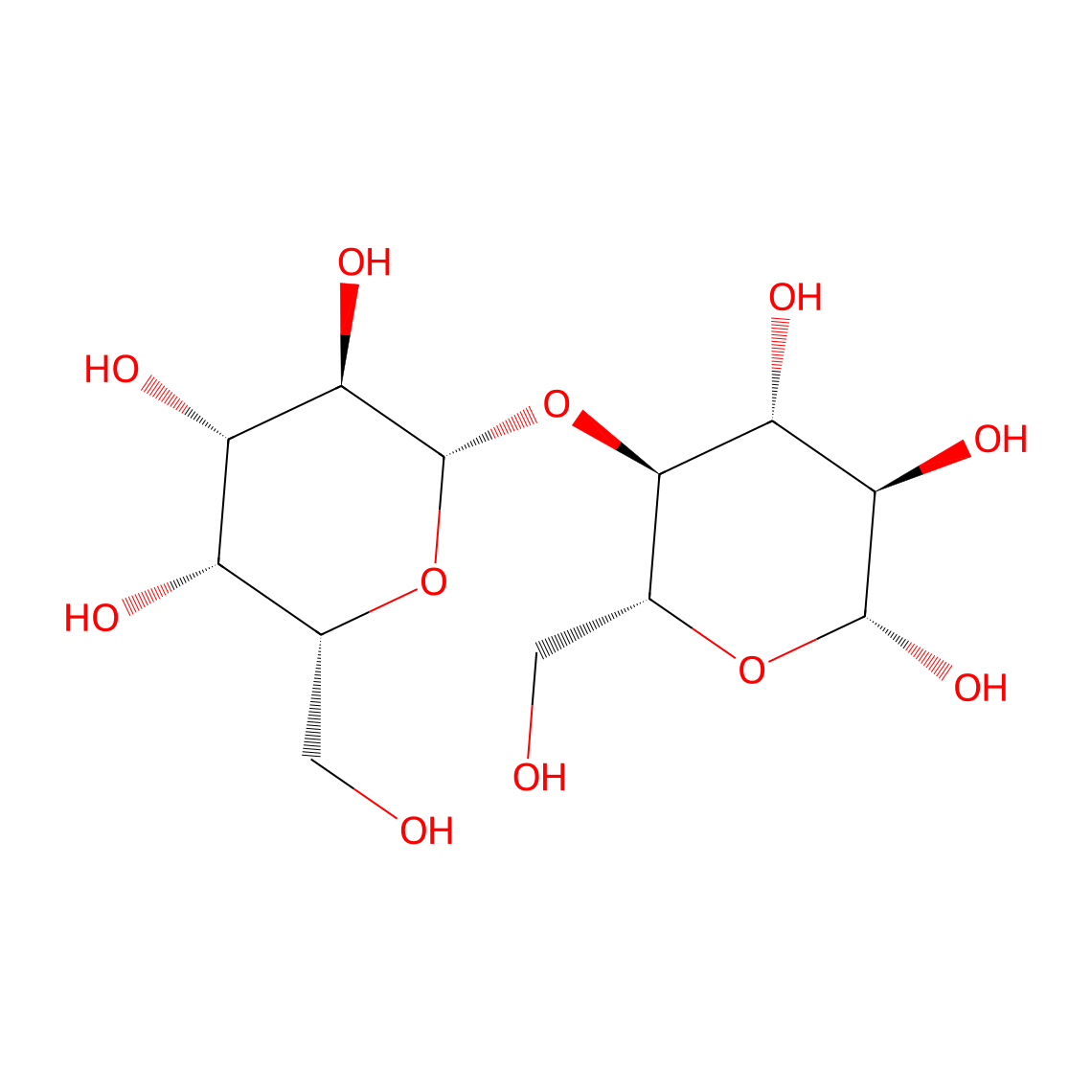
Monosaccharides are commonly classified by their carbonyl group (aldose or ketose) and carbon count (triose, tetrose, pentose, or hexose). Disaccharides consist of two monosaccharide residues joined by a glycosidic bond. The three-dimensional arrangement of hydroxyl groups is essential: glucose, galactose, and mannose are distinct stereoisomers.
2. Structures and Names of 18 Sugars
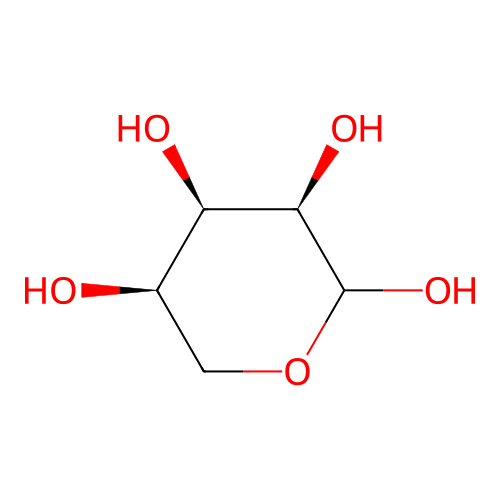
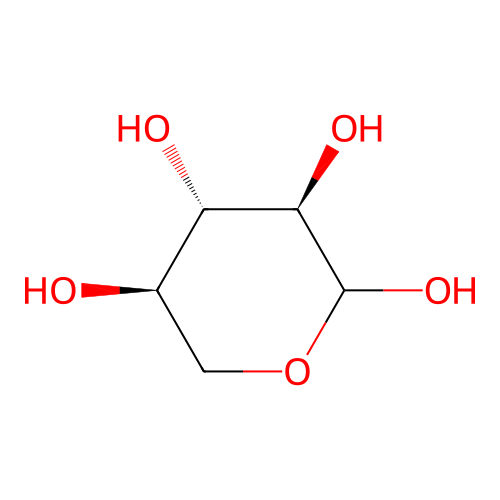
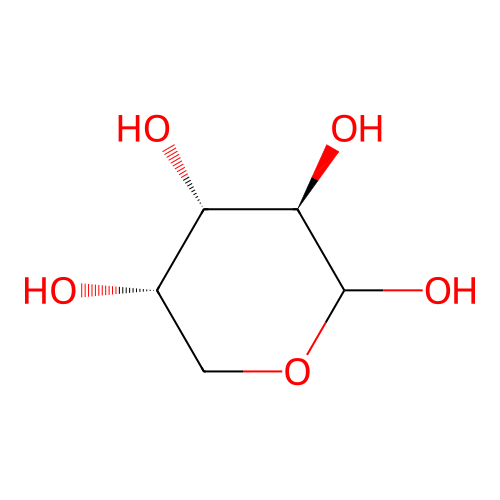
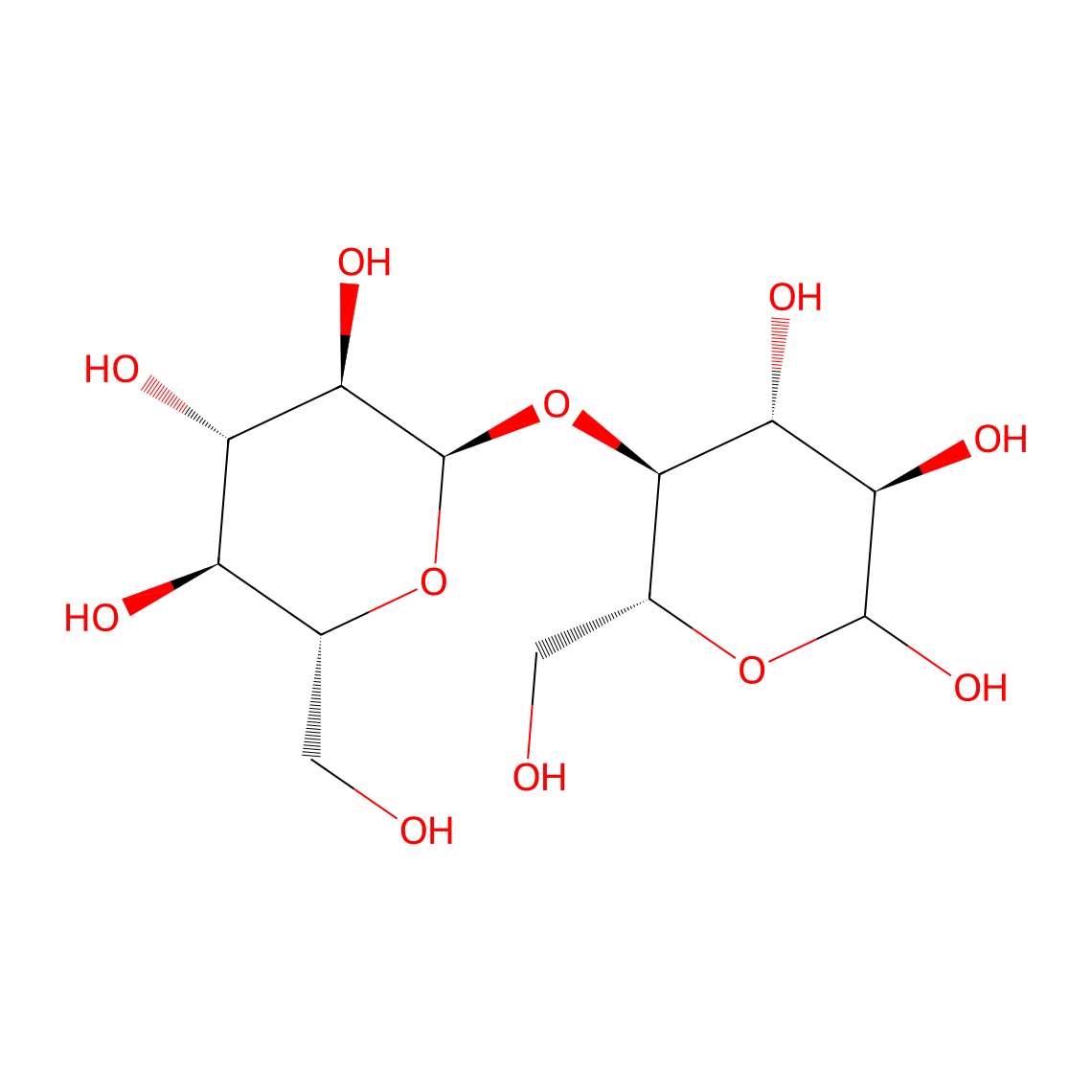
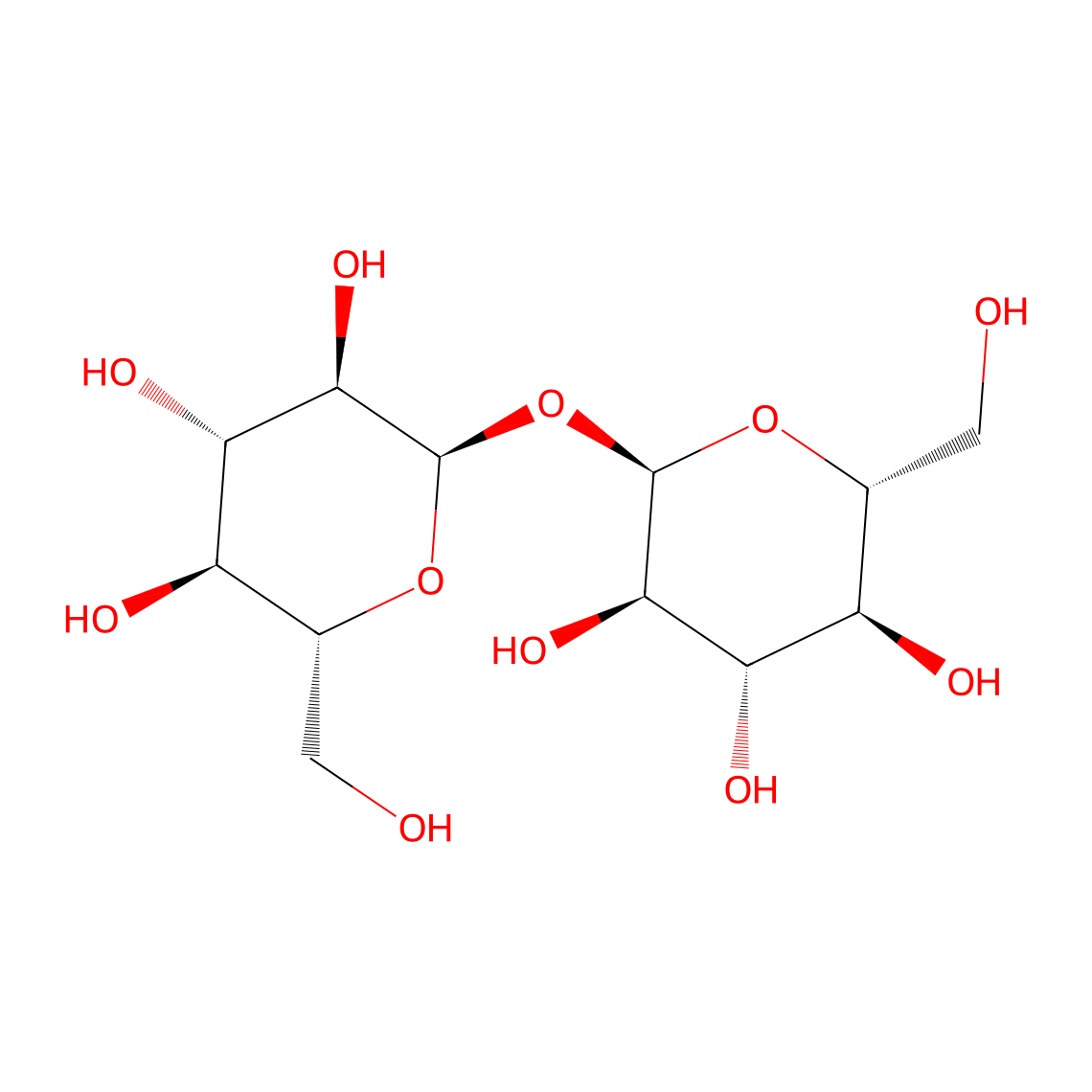
Review the structures and names before taking the quiz. The image labels identify the intended reference structures; distinguish stereoisomers by their stereochemistry rather than by molecular formula alone.
Hexoses
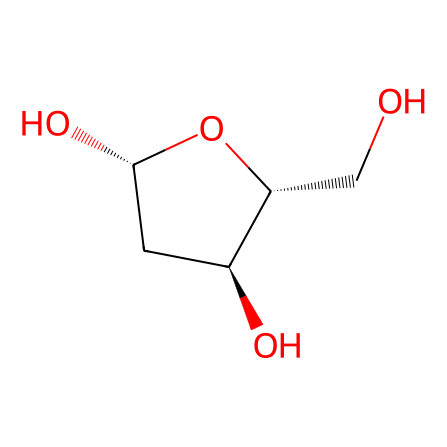
Pentoses
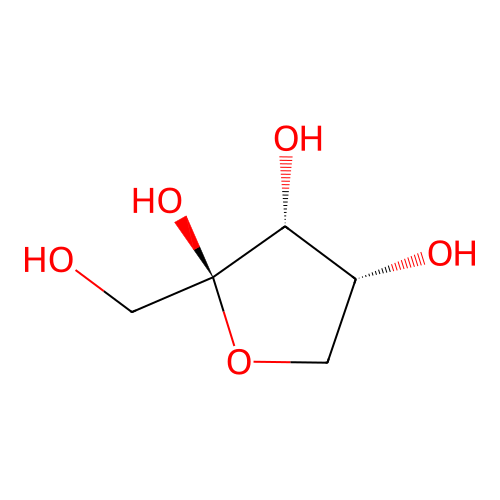
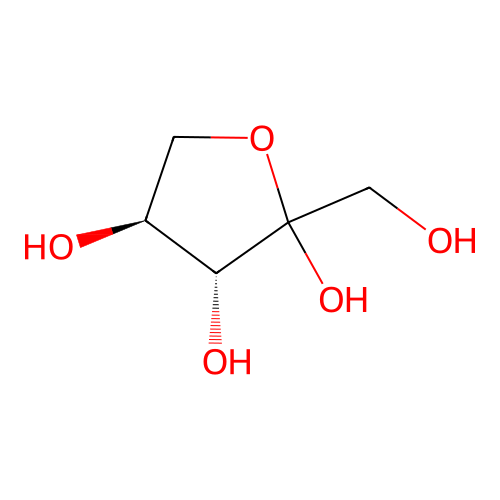
Trioses
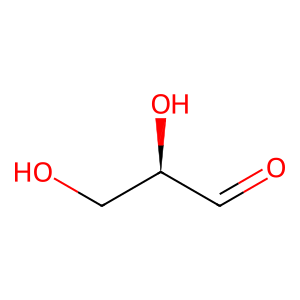
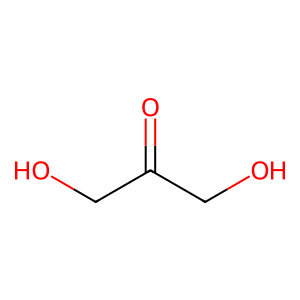
Tetroses
Disaccharides
3. How to Tell Sugars Apart
Glucose, galactose, and mannose are aldohexoses that differ in stereochemistry. D-Mannose is the C2 epimer of D-glucose; D-galactose is the C4 epimer. Fructose is a ketohexose, while glucose is an aldohexose. Ribose and 2-deoxyribose differ by an oxygen atom at C2. Ribulose and xylulose are ketopentoses.
Sucrose and trehalose are nonreducing disaccharides because their glycosidic linkages involve the relevant anomeric centers; lactose and maltose retain a free anomeric center and are reducing sugars.
4. Create Chemical Structures from SMILES with BioChemCalc
Want to explore a sugar structure yourself? Visit BioChemCalc (BCC) and use its SMILES-to-chemical-structure function. You can inspect how different stereochemical SMILES strings encode different sugars. In particular, the @ and @@ stereochemical markers matter when distinguishing epimers.
Note: A molecular formula alone cannot distinguish stereoisomers. Use stereochemically specified SMILES when generating structures.
5. Interactive Carbohydrate Structure Quiz
Identify each of the 18 structures. For every question, choose the name, carbon-count class, and chemical type. Each correct selection earns one point, for a maximum of 54 points. Select Check Answers to view your score and corrections.
6. Review and Practice
If you confuse glucose, mannose, and galactose, compare the stereochemistry of their hydroxyl groups. If you confuse aldoses and ketoses, locate the carbonyl group in the open-chain form. For disaccharides, inspect which anomeric positions form the glycosidic bond.
Summary
Recognizing sugars involves carbon count, carbonyl chemistry, glycosidic linkages, and stereochemistry. Use the structure gallery to review all 18 compounds, then repeat the interactive quiz to test your recall.