SIC began from a practical problem rather than from an abstract theory.At the time,BioChemCalc(BCC) still had only a limited number of chemoinformatics functions,and I wanted to add something new that would also be useful in practice.
One candidate was molecular fingerprints.It was a topic that could be examined with paper and a pen,and it seemed possible to approach it from a different angle than existing methods.Since the work did not require a laboratory setup,I decided to think about it outside my usual environment.
So in 2025,I planned a trip across Shikoku with a friend.It was not a research trip in any formal sense,but during the long hours of travel,the evenings at inns,and the intervals between destinations,the basic ideas behind SIC began to take shape.
What I Decided First
The initial question behind SIC was how to extract and represent structural differences that tend to disappear within compounds sharing the same molecular formula.I was particularly interested in relationships such as positional isomers and structural isomers,where conventional similarity measures often fail to show the differences clearly.
At an early stage,I fixed what became the main design principle of SIC.I wanted the method to use only two variables,and I wanted the meaning of the plotted values to remain as directly interpretable as possible.
If too many variables are introduced,interpretation becomes harder even when the method is precise.If the values become a black box,the result may be difficult to read from the user side.For that reason,I decided from the beginning to prioritize a two-variable representation and values whose meaning would remain as transparent as possible.
This was also related to usability.A method that can be read directly from the plot is easier to apply in practice and easier to use across different situations.
What Became Clear Through Trial and Error
The next question was how to extract structural differences in a usable form.In the end,I moved toward treating distance from a particular reference as an index,but that direction was not fixed immediately.
At first,I considered a 3D-based design.However,when I looked at computational cost,precision,and the limited three-dimensional information available from SMILES input,it became difficult to justify that approach in practical terms.I therefore shifted the design to a 2D-based framework.
After that,the main issue became how to accumulate structural differences.Here,I worked with two ideas together:molecular weight and distance from the center.A heavier substructure located farther from the center should contribute more strongly to the overall value.Conversely,in relationships such as positional isomers,where the difference is local and the positions themselves are close,the numerical values should also remain close.
The problem was how to convert that intuition into a form that was stable enough to use.Making “close things appear close” and “distant things appear distant” without making the result opaque became one of the central requirements of SIC.
What I Kept Thinking About During the Trip
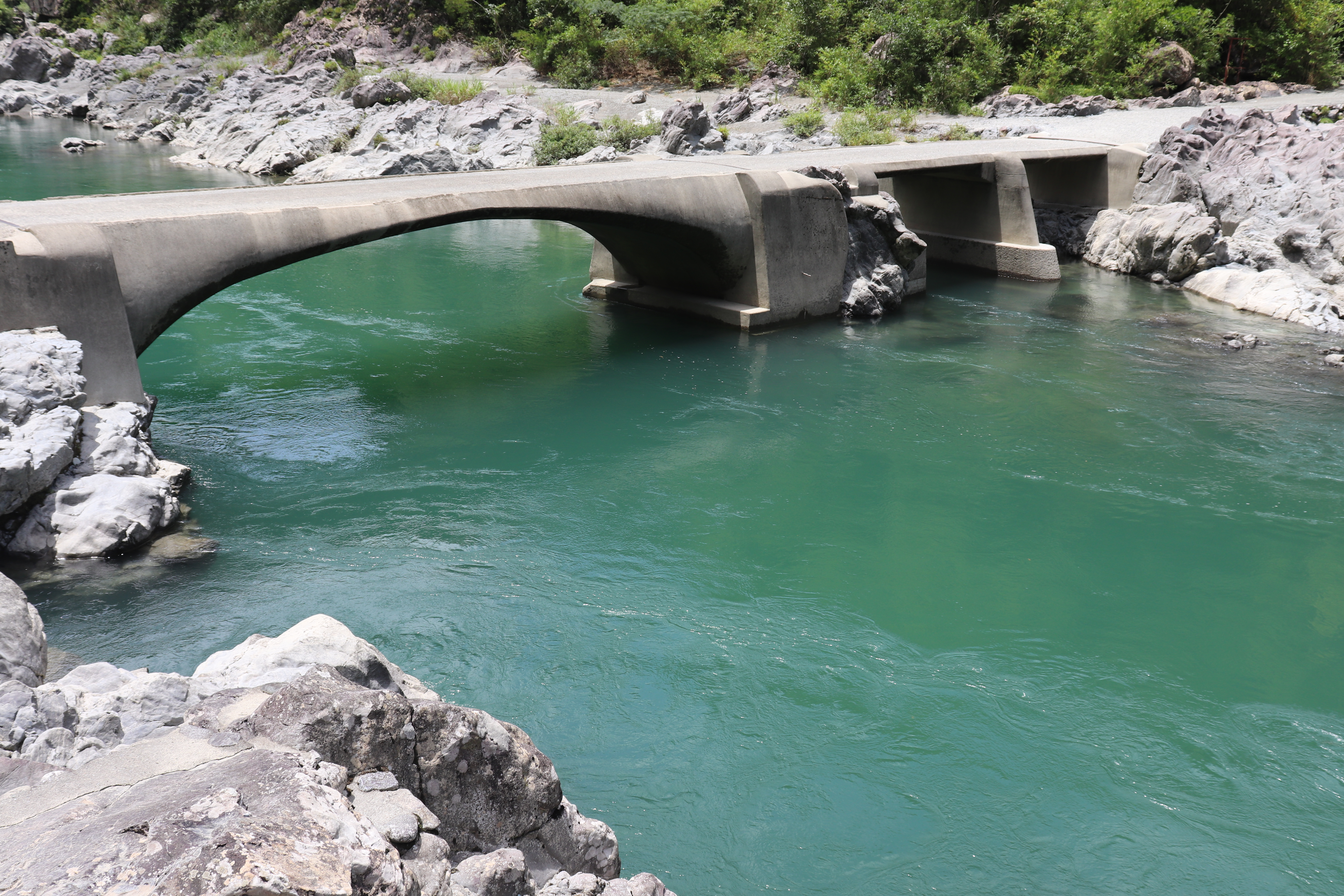
During the trip,I kept returning to the same questions.
1.What exactly was the goal?
2.What were the limitations of existing methods—their scope,strengths,weaknesses,and likely direction?
3.If I proposed another solution,what would its advantages and disadvantages be?
4.Under what conditions would the method perform worst?
5.If those difficult conditions were abstracted and viewed more broadly,what should be changed next?
I repeated these thought experiments many times,revising the structure of the algorithm little by little.An idea would seem plausible at first,then fail under another condition,and then need to be rebuilt from a different angle.Most of the progress came from that repetition.
It was also easier to think in that setting than in my usual environment.For reasons that are difficult to explain clearly,I found that I worked best with a particular combination of ink,fountain pen,and notebook paper.A change in color or texture was enough to disturb the rhythm of thinking.
The Passenger Seat and the Quiet Midnight at an Inn
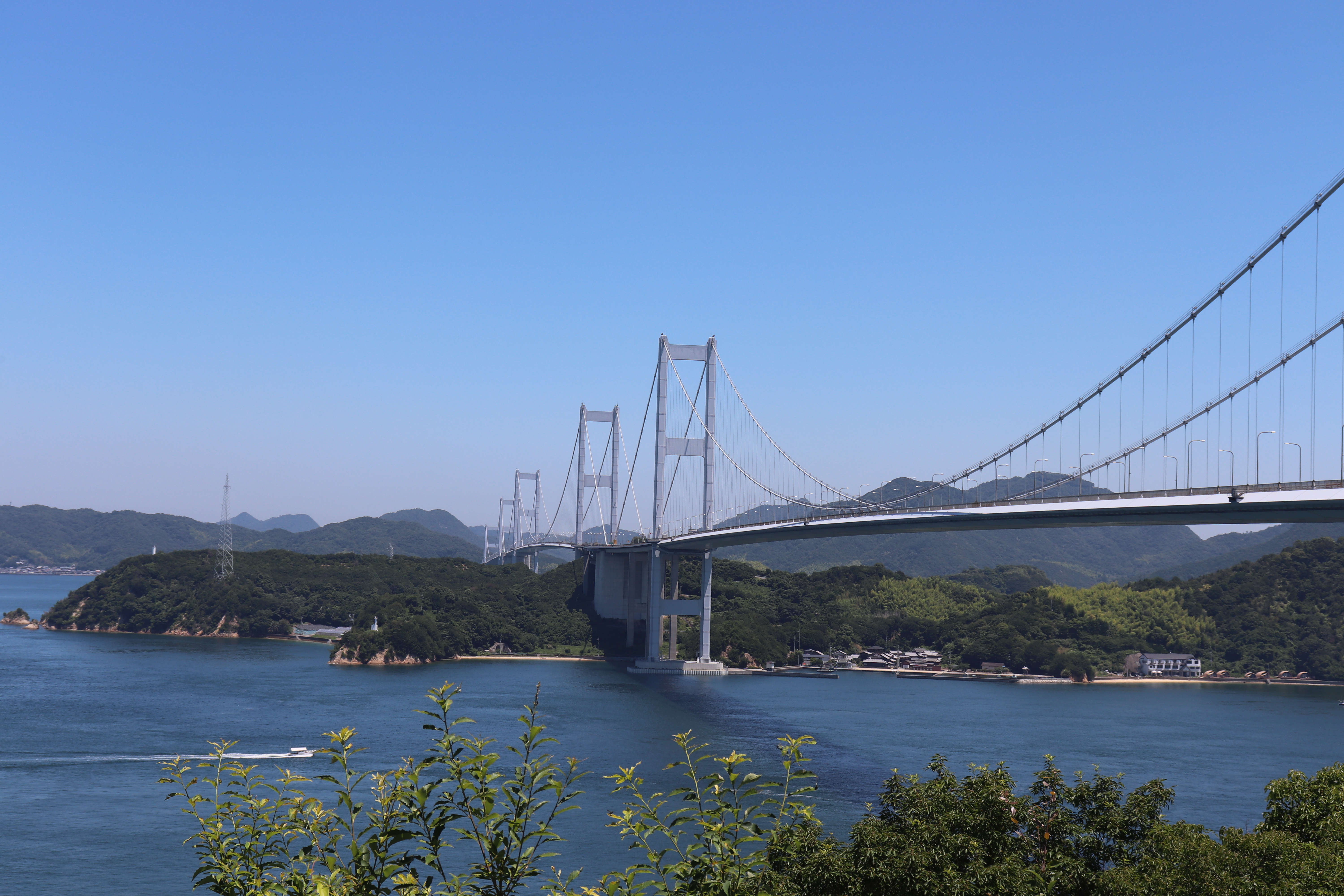
The drive from Fukuoka to Naoshima in Kagawa took about ten hours by highway.My friend and I took turns driving,so I had long stretches of time in the passenger seat.
We talked about ordinary things,including future plans and fishing,which is one of our hobbies.Between those conversations,I kept returning to the same problem in my notebook:how structural differences should be represented,and how that representation could remain readable without becoming oversimplified.The work progressed alongside the trip rather than separately from it.
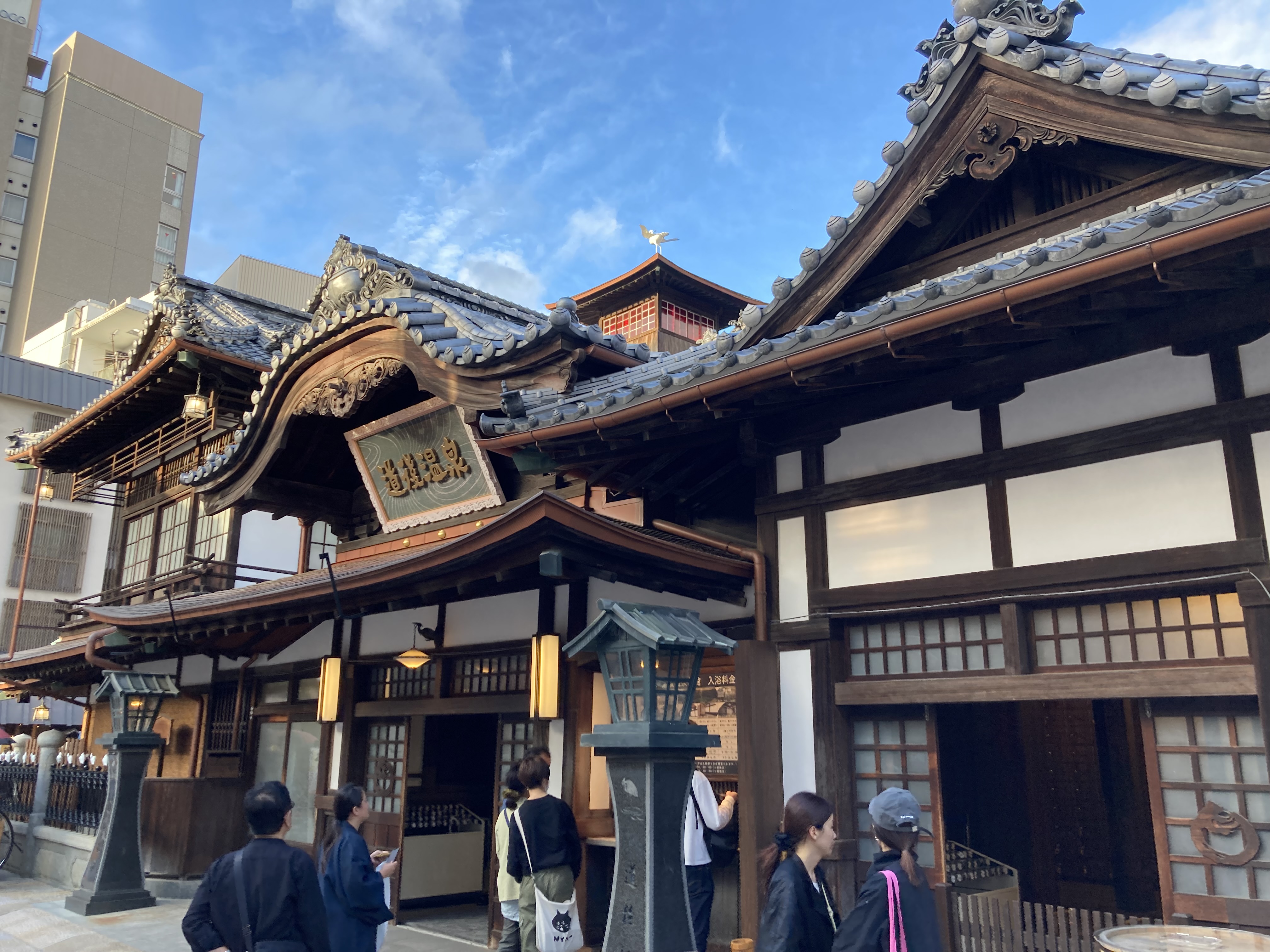
We visited places such as Naoshima in Kagawa and Dogo Onsen in Ehime,and stayed at inns along the way.Late at night,in those quiet rooms,I also began to think about what the tool and the method should be called.
That was when I arrived at the name SIC.In Latin,sic means “as written” or “as it is in the original.” I wanted a method that would not collapse structural differences into oversimplified similarity,but would instead preserve them and express them as relative distance.With that sense in mind,I named the method Structural Isomer Cumulative.
The naming was part of the same process as the algorithm design:it was another attempt to define as clearly as possible what the method was supposed to do.

In the End
SIC later led to discussions about applications and possible extensions.That was useful,because it made clear that the method could be read in ways beyond the situations I had originally considered.
Looking back,one important part of the process was simply working outside the usual setting.Research is often done at a desk,but changing location and thinking during travel can change the way a problem is framed.
SIC was shaped gradually in that context.The trip itself was not the method,but it provided the conditions in which the method became clearer.