Looking for things to do in Kyoto with kids beyond temples and shrines? The Kyoto Municipal Science Center for Youth (京都市青少年科学センター), in the Fushimi area of Kyoto, is a hands-on science museum built around children’s curiosity. I visited the exhibits in person and photographed the interactive installations and outdoor science displays. Here is what families and international visitors should know before going.
Kyoto Science Museum: Visitor Information
Hours, prices and closures are drawn from the museum's official visitor pages checked for this article; they may change. Planetarium admission is charged in addition to general admission. Please check the official hours and admission guide before traveling.
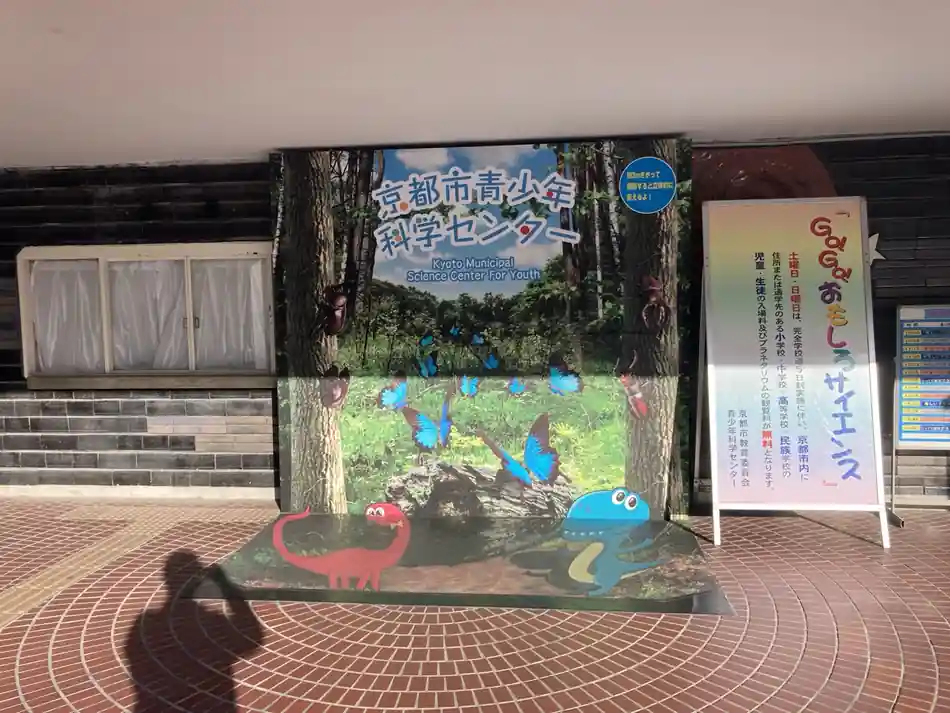
Who Is This Science Museum Best For?
Based on my visit, the audience was overwhelmingly children and families, and I also saw groups visiting together. The atmosphere was lively, with adults clearly engaged in the children's learning. This is a science center for doing and discovering, rather than a quiet museum intended chiefly for adult specialists.
For parents, I recommend looking up a few simple natural-science ideas beforehand—such as fossils, minerals, local insects, light, or the movement of the Sun. Familiarity with a few basic terms can turn the exhibits into family conversations. That is my visitor advice, not an official museum requirement.
Hands-On Science Exhibits: Chemistry, Mirrors and More
One exhibit that impressed me demonstrated an acid–base reaction. At the push of a button, liquid was dispensed from a dropper into the demonstration setup, allowing visitors to observe a real chemical reaction. It was not merely a video or an animated diagram.
From a laboratory worker's perspective, I found this exhibit particularly impressive. Maintaining a working demonstration that uses real chemical reagents must take considerable care and effort. The museum's commitment to making chemistry accessible to children through direct observation was evident in this exhibit.
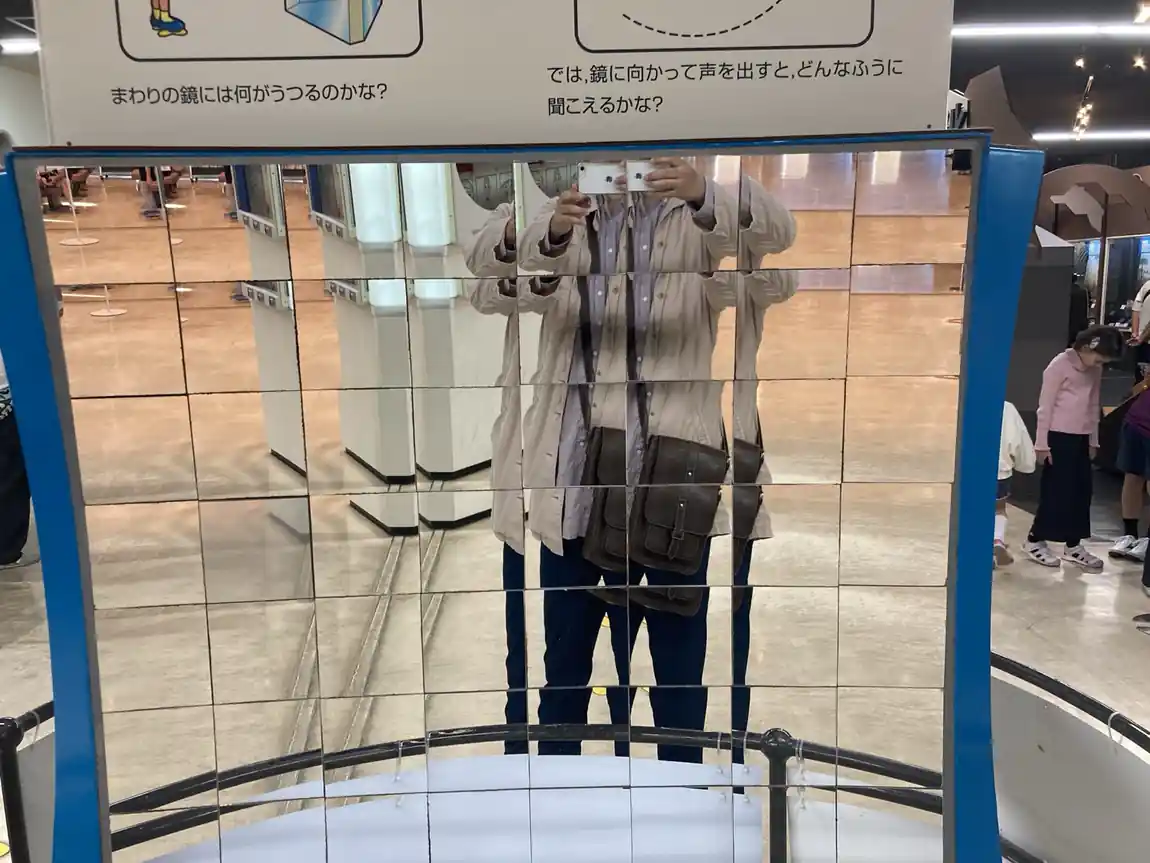
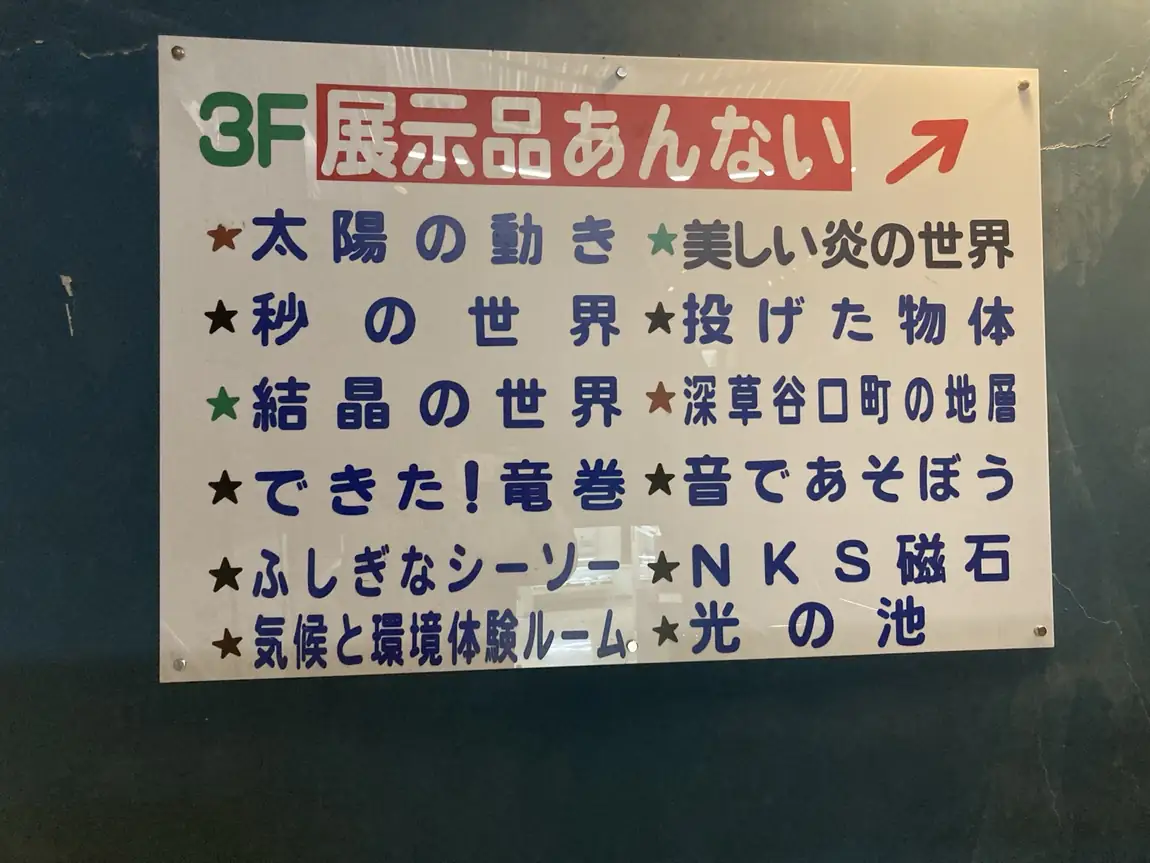
Other indoor topics encountered during the visit included minerals and fossils, as well as displays relating to aquatic life and insects from the region. There was also a book area with substantial illustrated reference books and field guides. These were more serious resources than I had expected in such a child-focused venue.
Outdoor Science Exhibits: Wind, Weather and Sunlight
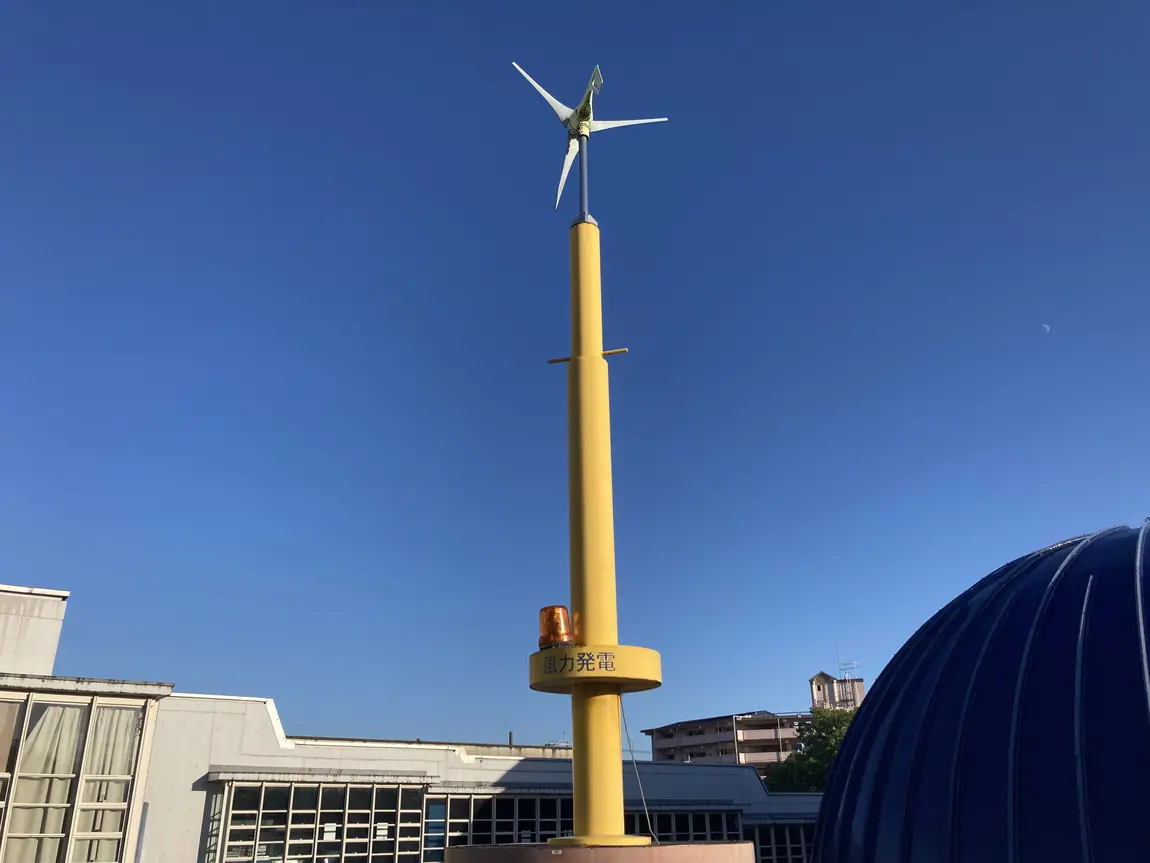
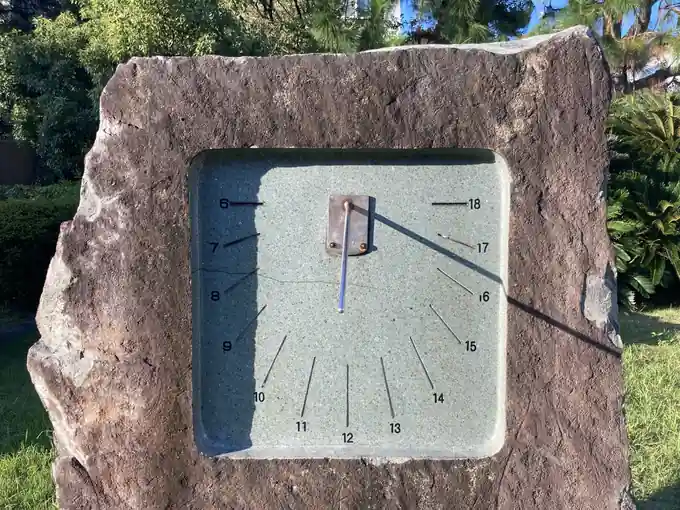
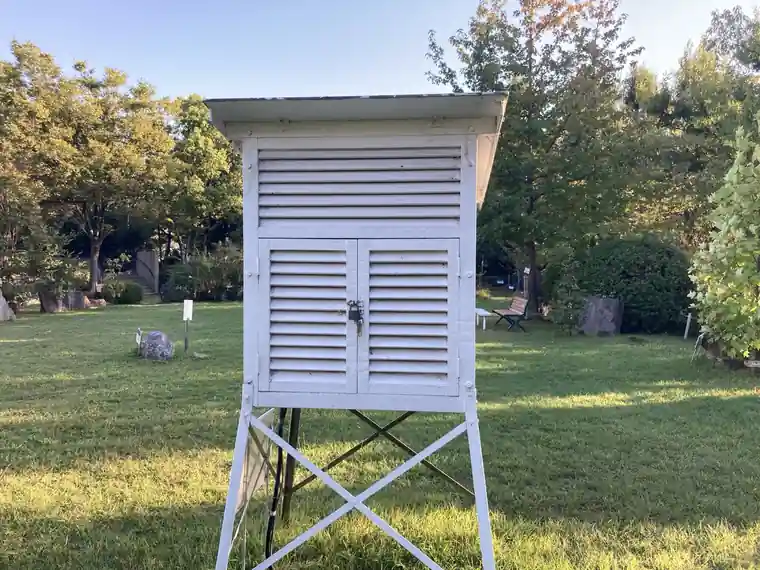
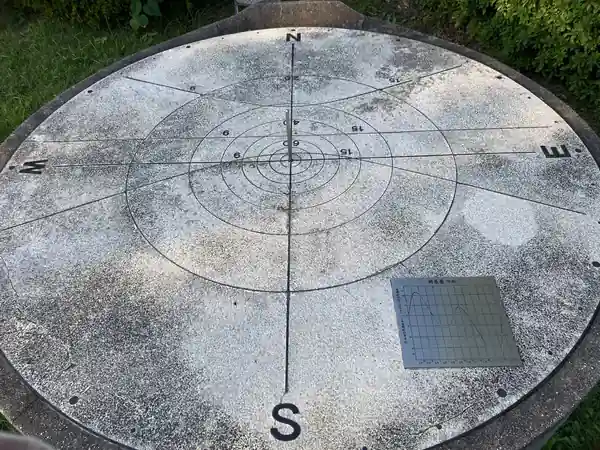
The science center also has outdoor learning displays. During my visit I photographed a wind-power installation, sundials, a weather observation shelter and a solar-position display. These provide a way to connect classroom topics with objects outside the building.
A Glimpse of Children's Independent Science Projects in Kyoto
During my October visit, a display of projects submitted by local schoolchildren for a summer research competition was on view. The variety was particularly enjoyable: I saw inventions built using solderless electronic breadboards, collections of stones gathered by rivers, and other projects organized around each child's own interests.
What I liked most was the freedom in the subjects and approaches. The work ranged from electronic inventions to observations of the natural environment, with the children presenting their own ideas and discoveries. The diversity of topics reflected the curiosity and creativity of young researchers. This was one of my favorite parts of the visit.
Visitor note: This was a seasonal exhibition observed in October. It should not be assumed to be on view throughout the year.
My Impressions: A Museum Full of Children's Curiosity
What stayed with me was the energy of the place. Families with children and organized groups filled the exhibition areas, and I could see parents taking an active interest in what their children were learning. I also noticed a family who appeared to be visiting from abroad; I did not speak with them, so I cannot say where they were from.
The science center seems to have a long history, but the displays I saw were far from passive: there were demonstrations activated by buttons, hands-on optics, outdoor instruments and substantial reference books. The acid–base exhibit particularly impressed me because it allowed children to observe a real chemical experiment without needing to handle laboratory reagents themselves.
I would recommend this museum to families who want to encourage a child's interest in science while visiting Kyoto. It offers a different kind of stop from the city's temples and historic streets: a chance to ask questions, try things and explore the natural world together.
One limitation for overseas visitors: During my visit, the available explanations were mainly in Japanese. Some English and Chinese were provided, but I would not describe the entire exhibition as fully multilingual.
What About the Planetarium?
The science center has a planetarium, which the official museum website lists among its facilities. I did not attend a planetarium show, so I cannot comment firsthand on its content, presentation, language, or suitability for particular ages. See the official planetarium schedule for show details and availability.
Where Is the Kyoto Municipal Science Center for Youth?
The museum is in Fushimi, Kyoto. The official directions identify Keihan Fujinomori Station as a nearby rail stop, approximately 400 meters away. Check the directions before setting out; access from central Kyoto depends on where you start.
Open in Google Maps ↗Official Access Guide ↗Frequently Asked Questions
Is there a science museum in Kyoto for children?
Yes. The Kyoto Municipal Science Center for Youth offers hands-on science exhibits and outdoor displays. My visit found it strongly oriented toward children and families.
Is the Kyoto science center suitable for adults?
Adults can enjoy the scientific demonstrations and visit with children, but the museum felt mainly designed for younger audiences. This is my firsthand impression rather than an age restriction imposed by the museum.
Are the museum's displays in English?
Most explanations I encountered were in Japanese. Some English and Chinese support was present, but translation coverage varied.
Does the museum have a planetarium?
Yes, but I did not watch a presentation. The planetarium requires a separate fee in addition to science-center admission. Check the official schedule before visiting.
Can you see children's science projects there?
A display of local children's summer research projects was present during my October visit, including electronic inventions built using breadboards and collections of river stones. Availability at other times of year is not confirmed.
Are there outdoor exhibits?
Yes. I photographed displays relating to wind power, timekeeping with sunlight, weather observation and the Sun's path.
More Museum Travel and Science Stories
This is part of BCC Magazine's Museum Travel series, featuring visits and original photographs. Read more on BCC Magazine. For official arrangements, consult the museum's own information before traveling.
Sources and Review Method
- Kyoto Municipal Science Center for Youth — Hours and Fees (official museum information).
- Kyoto Municipal Science Center for Youth — Location and Access (official museum information).
- Kyoto Municipal Science Center for Youth — Facilities (official museum information).
- Kyoto Municipal Science Center for Youth — Planetarium Schedule (official museum information).
- Firsthand account: Original on-site photographs and the visitor's observations supplied for this Museum Travel review, October 2026. Opinions and recommendations are identified as such. The planetarium was not attended, and seasonal exhibition availability may vary.