Can you identify a lipid from its chemical structure? Explore 20 representative compounds involved in energy storage, membrane organization, and cellular signaling, then test your knowledge with an interactive structure quiz.
How to Distinguish Lipid Structures
Fatty acids: Hydrocarbon chains containing a carboxyl group. They can be saturated, monounsaturated, or polyunsaturated.
Glycerolipids: Lipids containing a glycerol backbone esterified with fatty acids. Triacylglycerols contain three fatty acyl chains.
Glycerophospholipids: Lipids containing a glycerol backbone, fatty acyl chains, and a phosphate-containing headgroup. PC, PE, PS, and PI differ in their polar headgroups.
Sphingolipids: Lipids built on a sphingoid base rather than a glycerol backbone. Ceramide consists of a sphingoid base linked to a fatty acid through an amide bond.
Glycosphingolipids: Sphingolipids containing carbohydrate residues. Gangliosides are glycosphingolipids containing one or more sialic acid residues.
Sterols: Lipids characterized by a four-ring steroid skeleton. Cholesterol is a representative example.
Reference: 20 Chemical Structures
Review each structure and its name before starting the quiz. Pay attention to fatty acid unsaturation, glycerolipid backbones, phospholipid headgroups, sphingolipid structures, and carbohydrate residues.
Fatty Acids
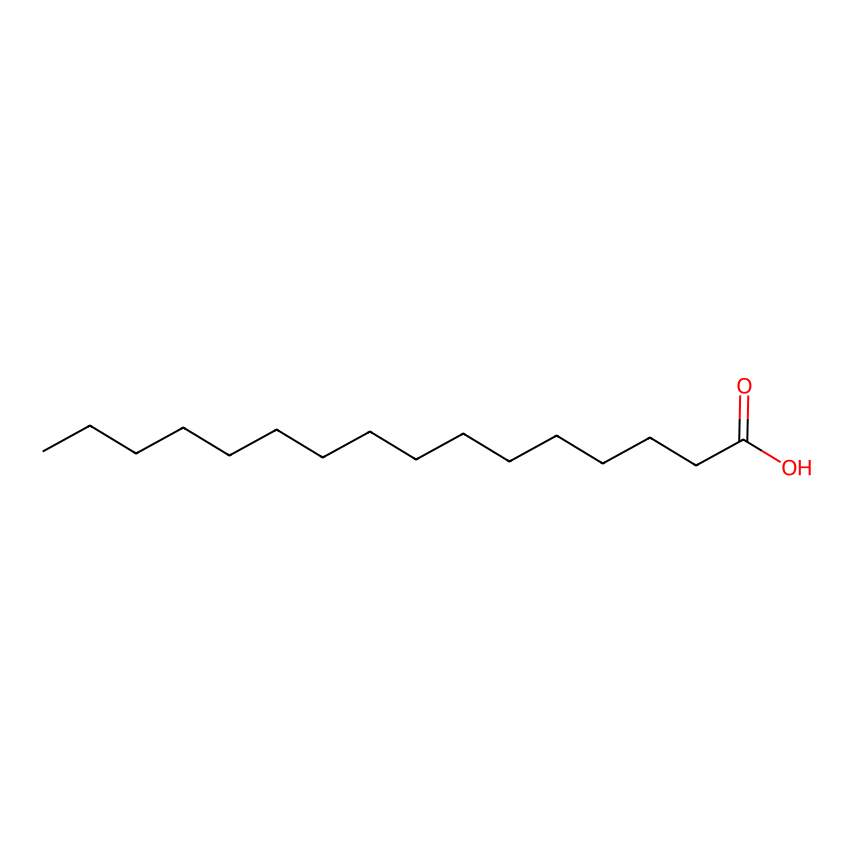 Palmitic acid
A saturated fatty acid containing 16 carbon atoms (16:0).
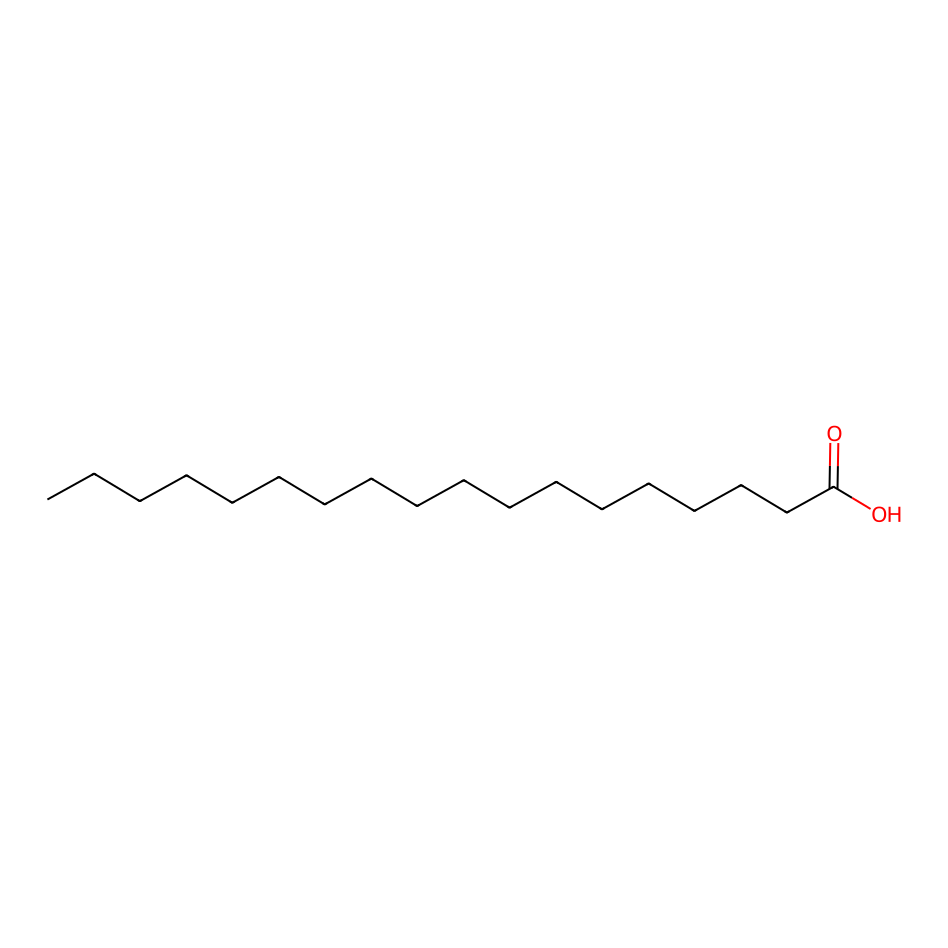 Stearic acid
A saturated fatty acid containing 18 carbon atoms (18:0).
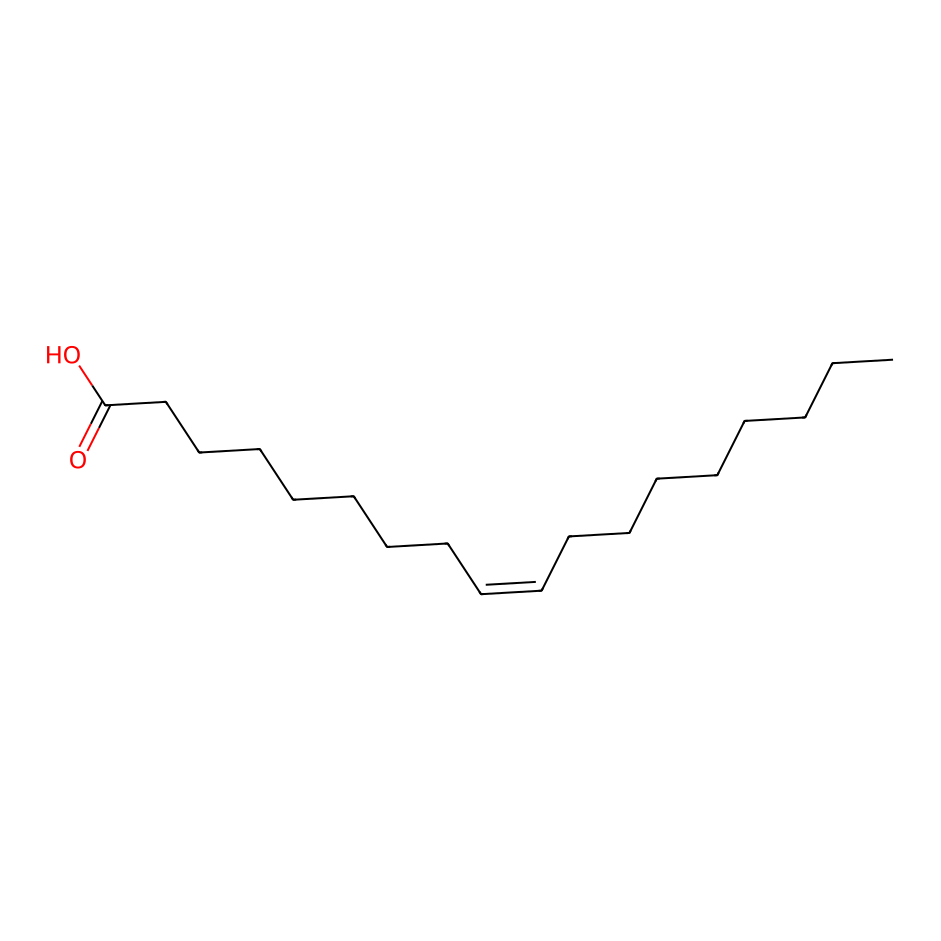 Oleic acid
A monounsaturated fatty acid containing 18 carbon atoms and one double bond (18:1).
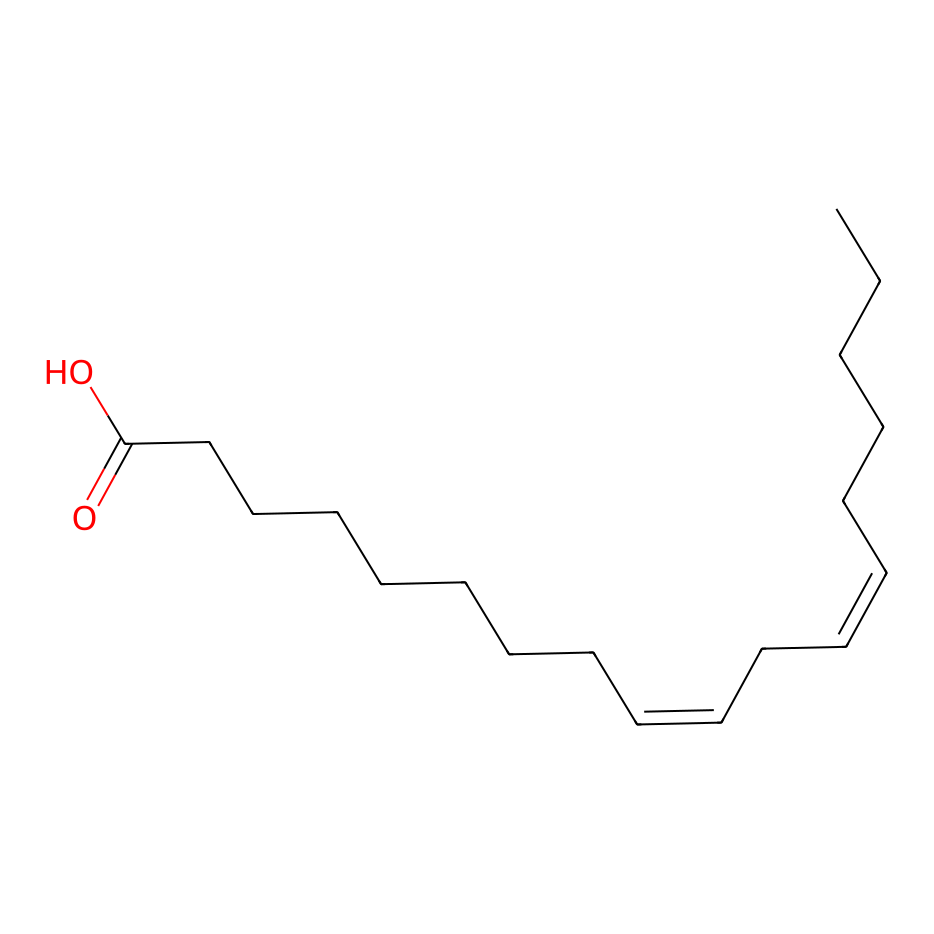 Linoleic acid
An omega-6 polyunsaturated fatty acid containing two double bonds (18:2).
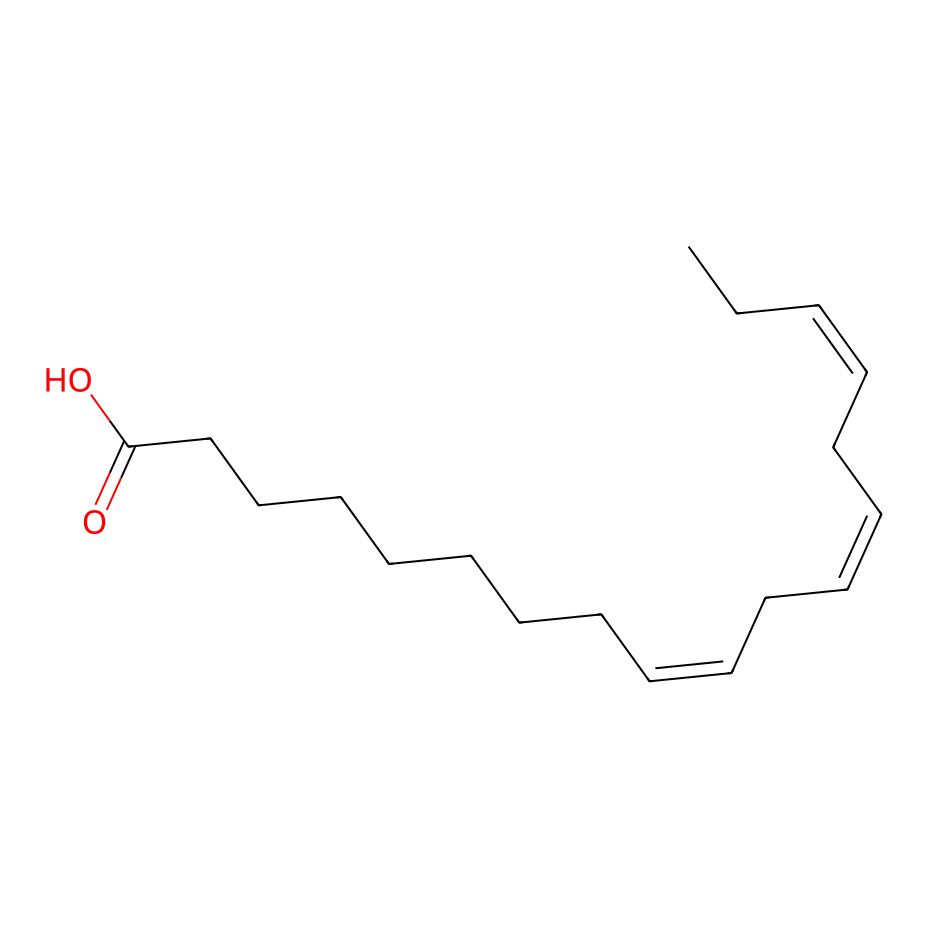 α-Linolenic acid
An omega-3 polyunsaturated fatty acid containing three double bonds (18:3).
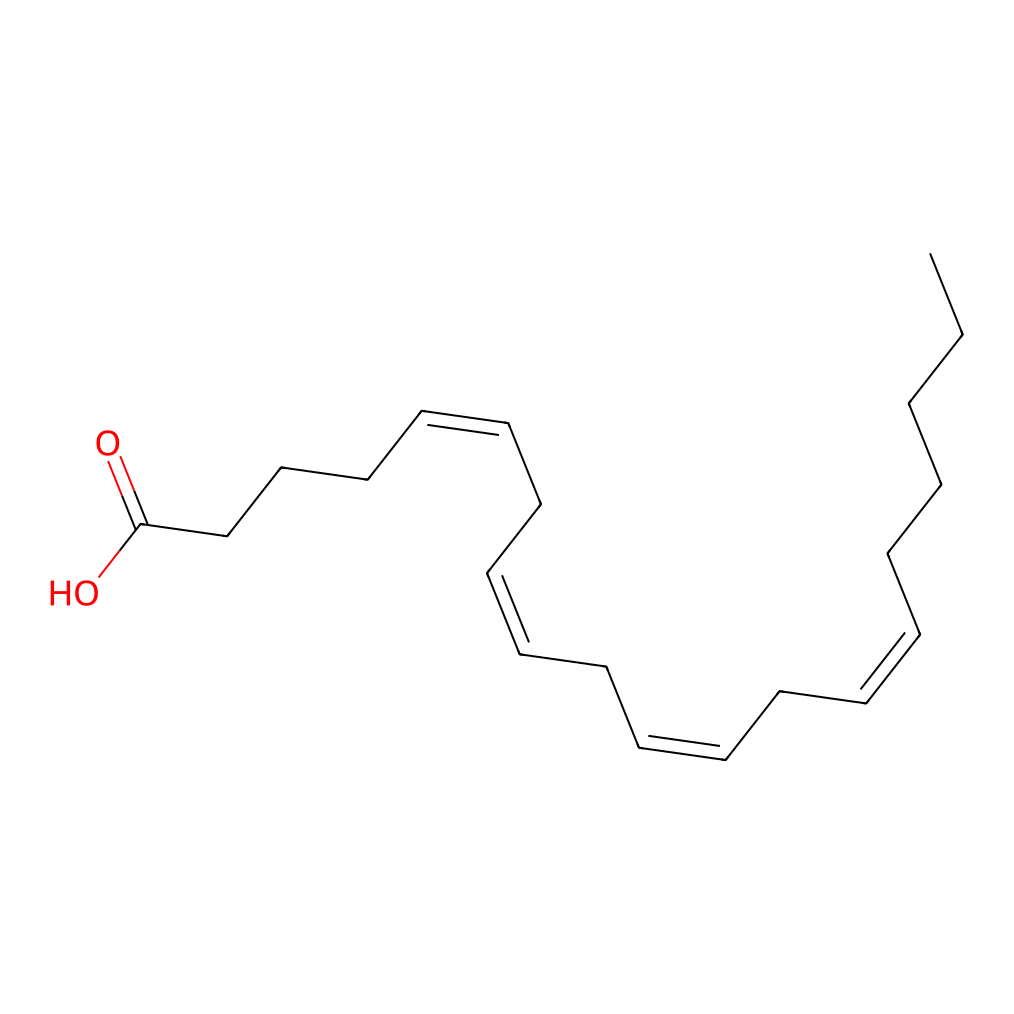 Arachidonic acid
An omega-6 polyunsaturated fatty acid containing 20 carbon atoms and four double bonds (20:4).
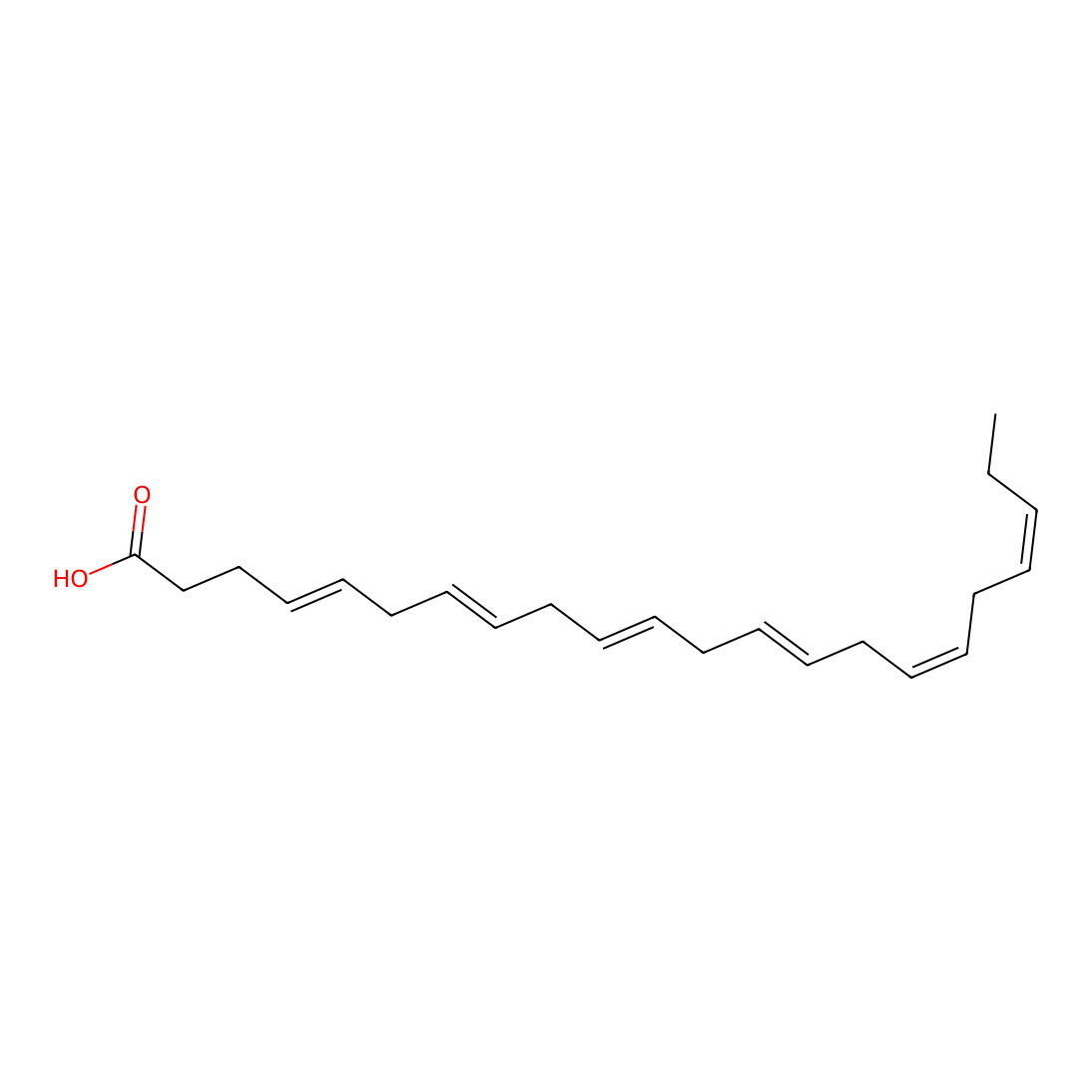 Docosahexaenoic acid (DHA)
An omega-3 polyunsaturated fatty acid containing 22 carbon atoms and six double bonds (22:6).
Glycerolipids
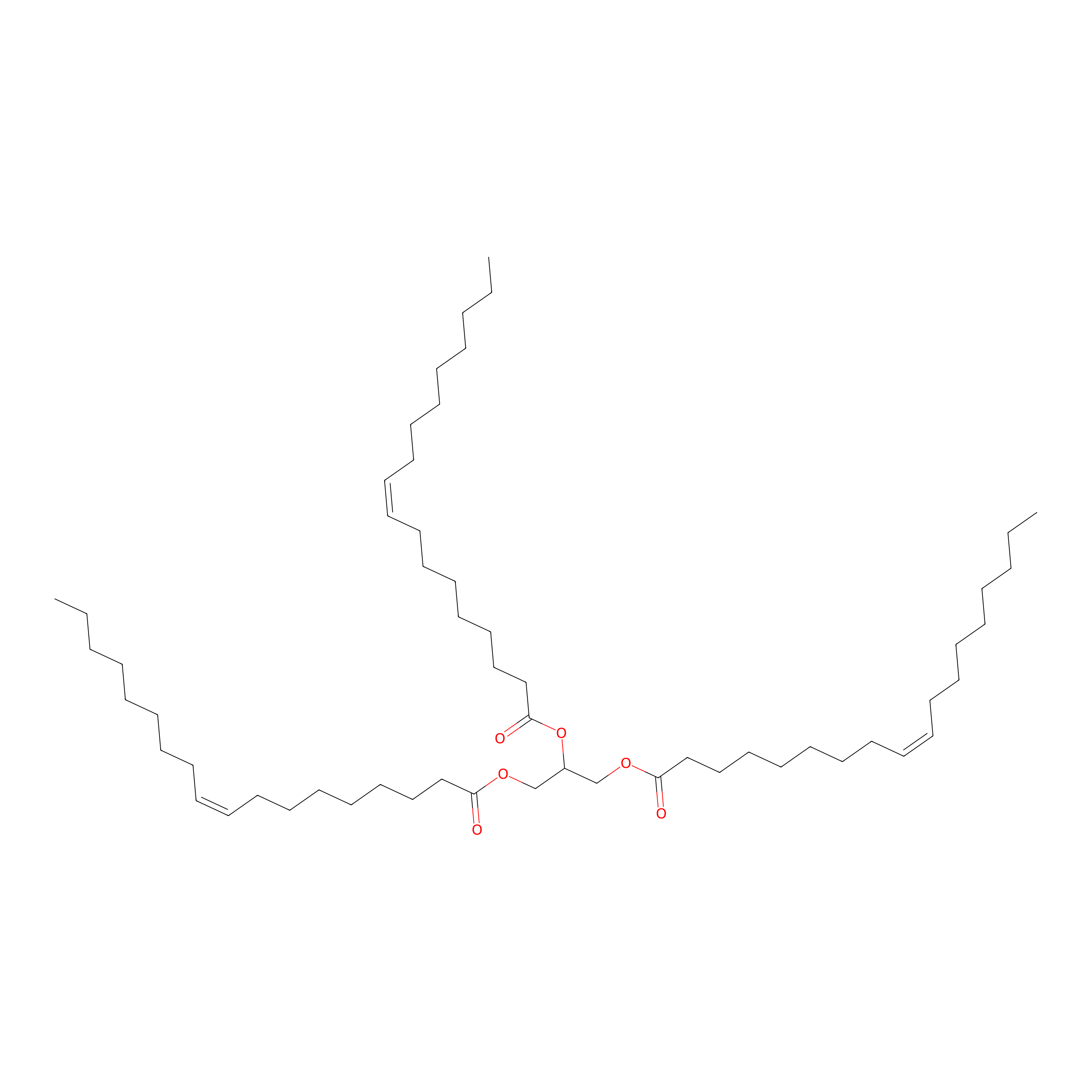 Triolein
A triacylglycerol containing three oleic acid residues esterified to glycerol.
Glycerophospholipids
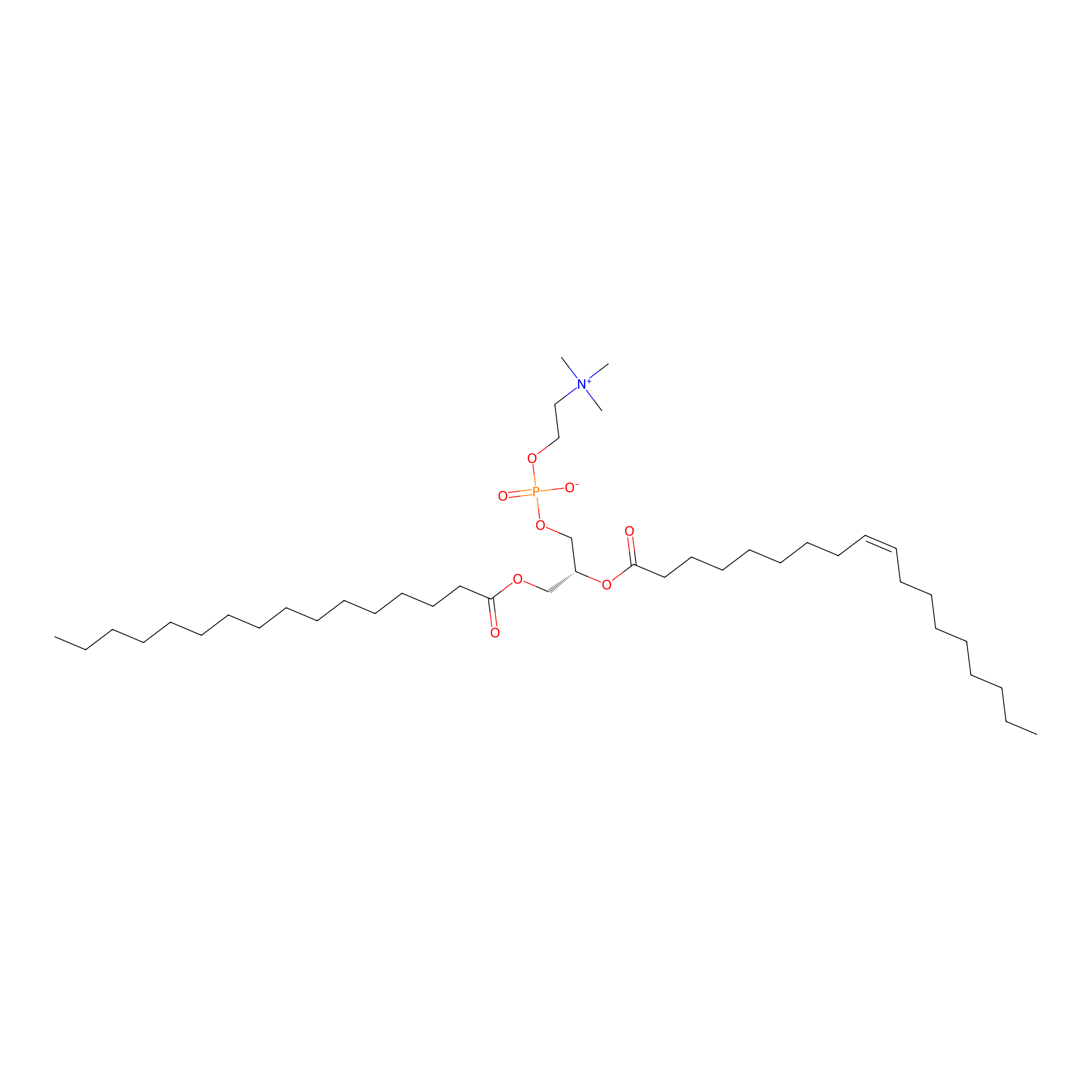 Phosphatidylcholine (PC)
A glycerophospholipid containing a phosphocholine headgroup.
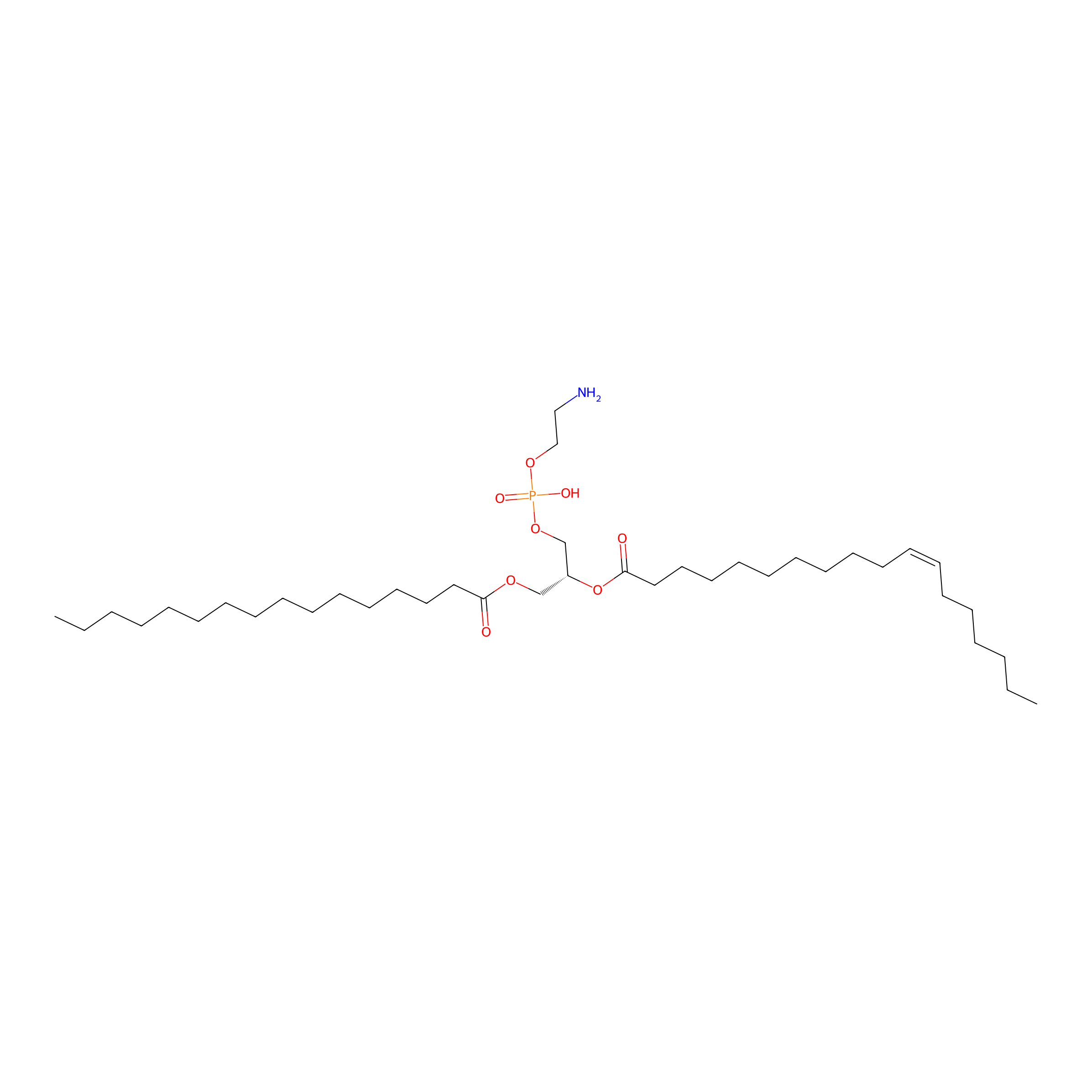 Phosphatidylethanolamine (PE)
A glycerophospholipid containing a phosphoethanolamine headgroup.
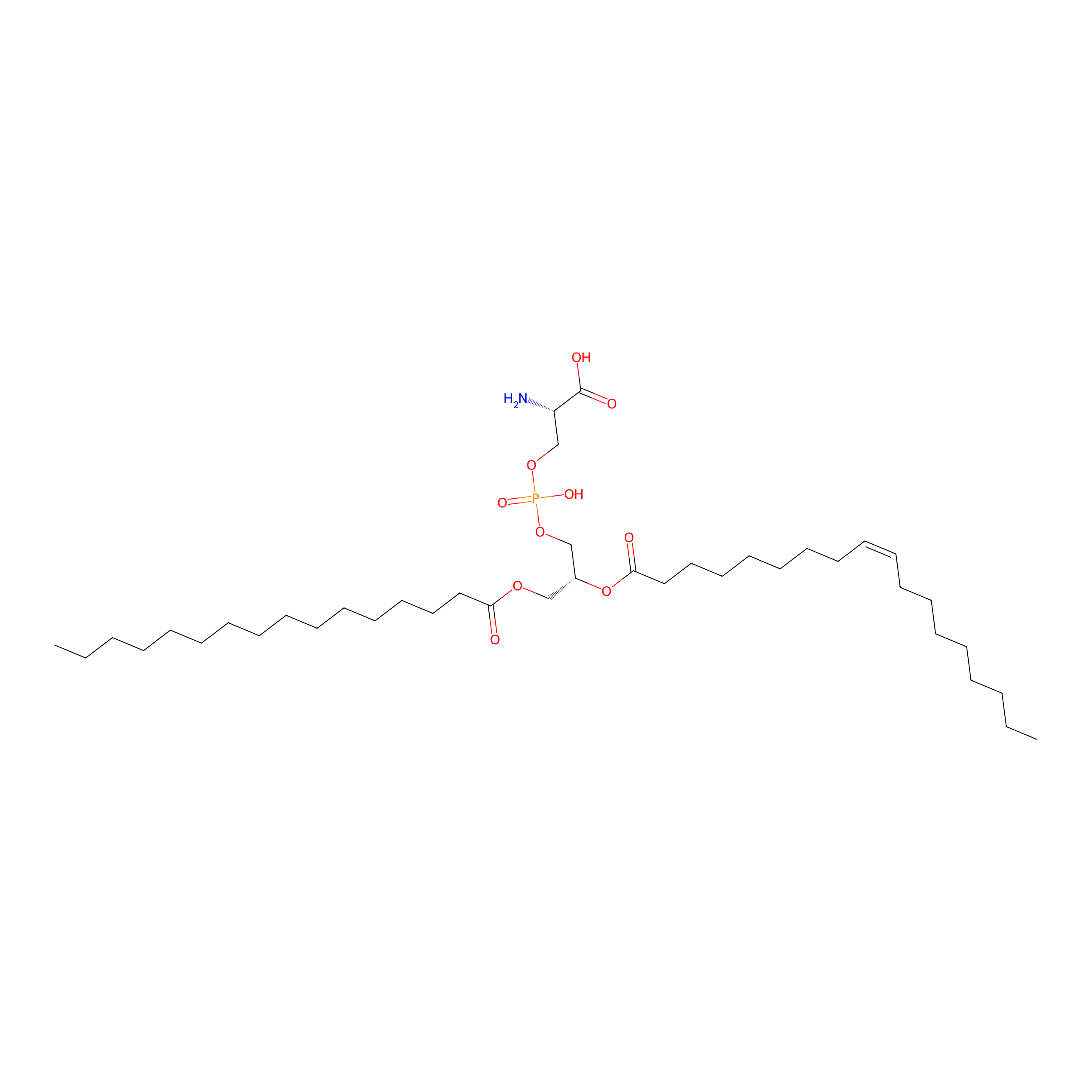 Phosphatidylserine (PS)
A glycerophospholipid containing a phosphoserine headgroup.
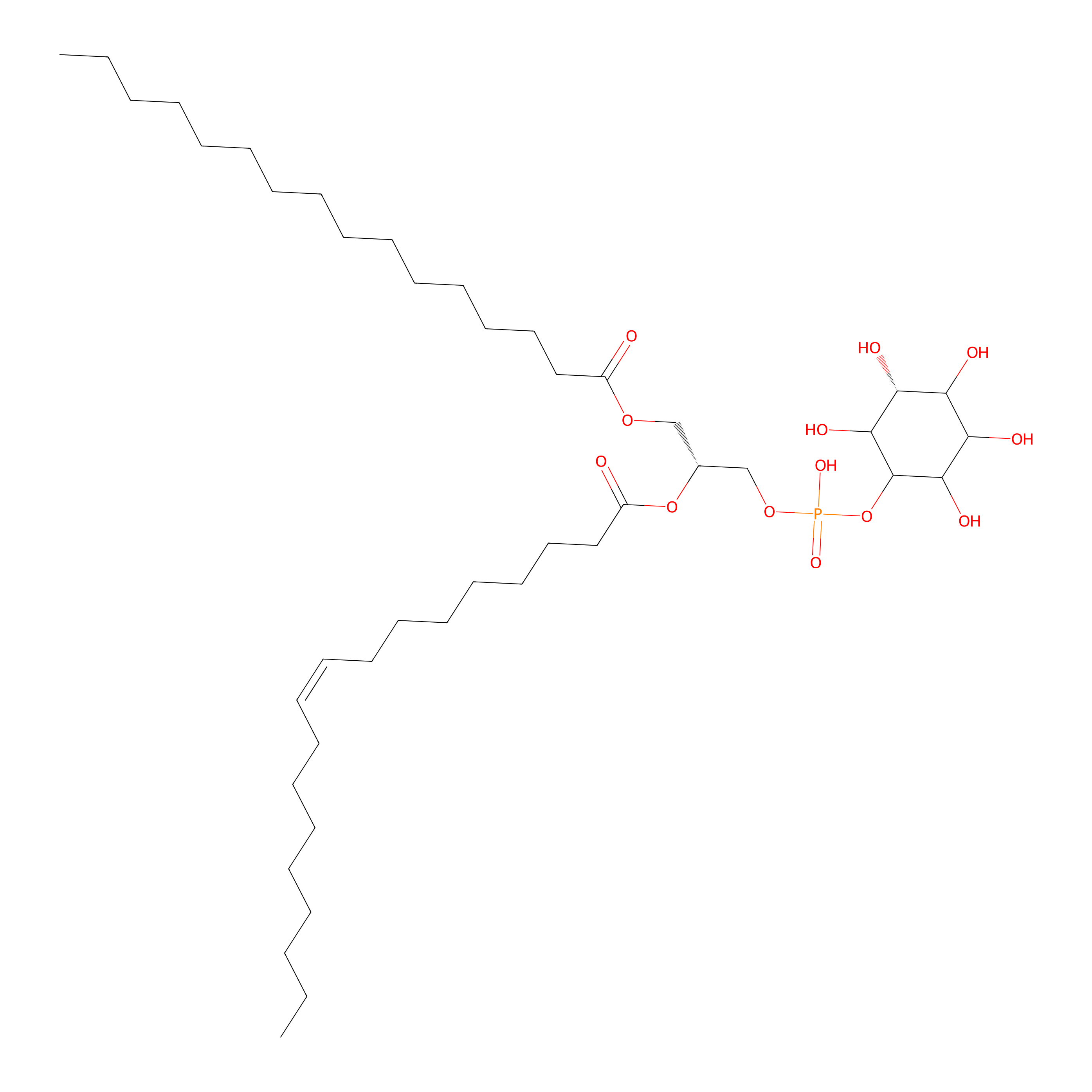 Phosphatidylinositol (PI)
A glycerophospholipid containing an inositol-containing headgroup.
Sphingolipids and Glycosphingolipids
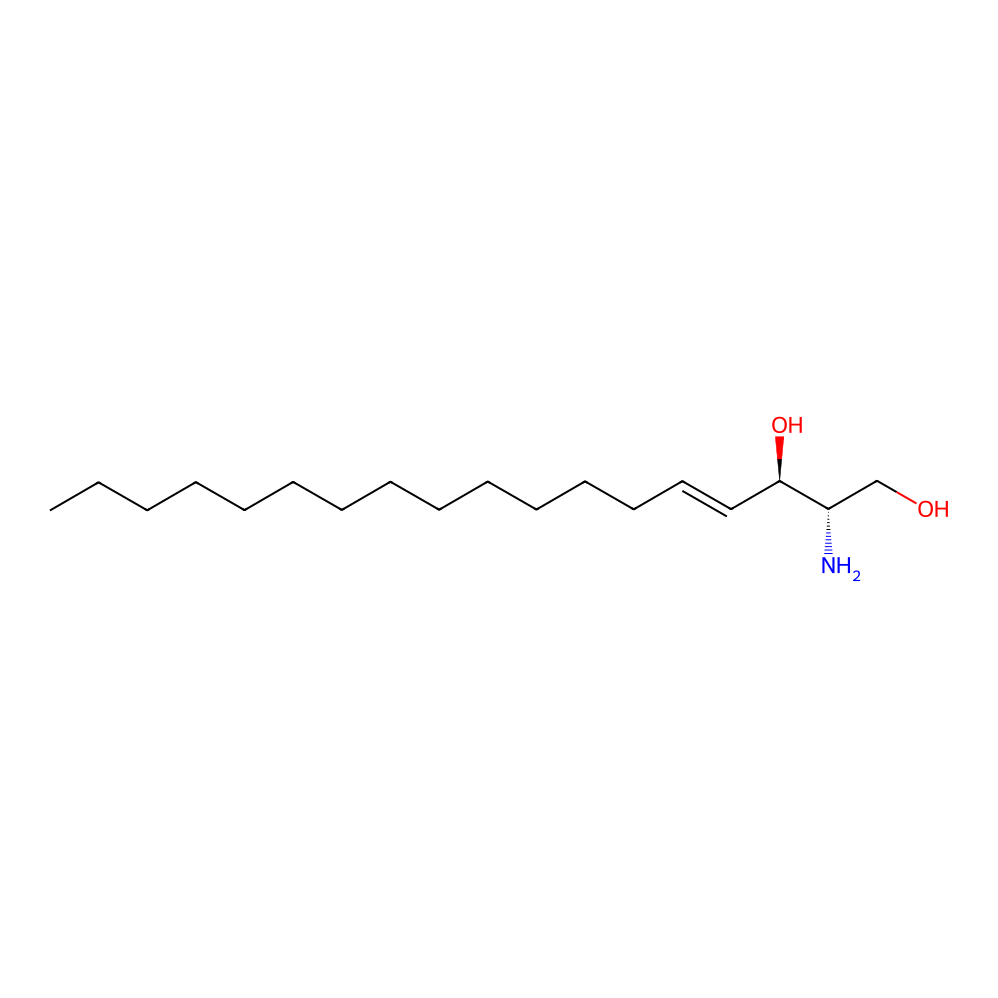 Sphingosine
A long-chain amino alcohol that serves as a backbone for many sphingolipids.
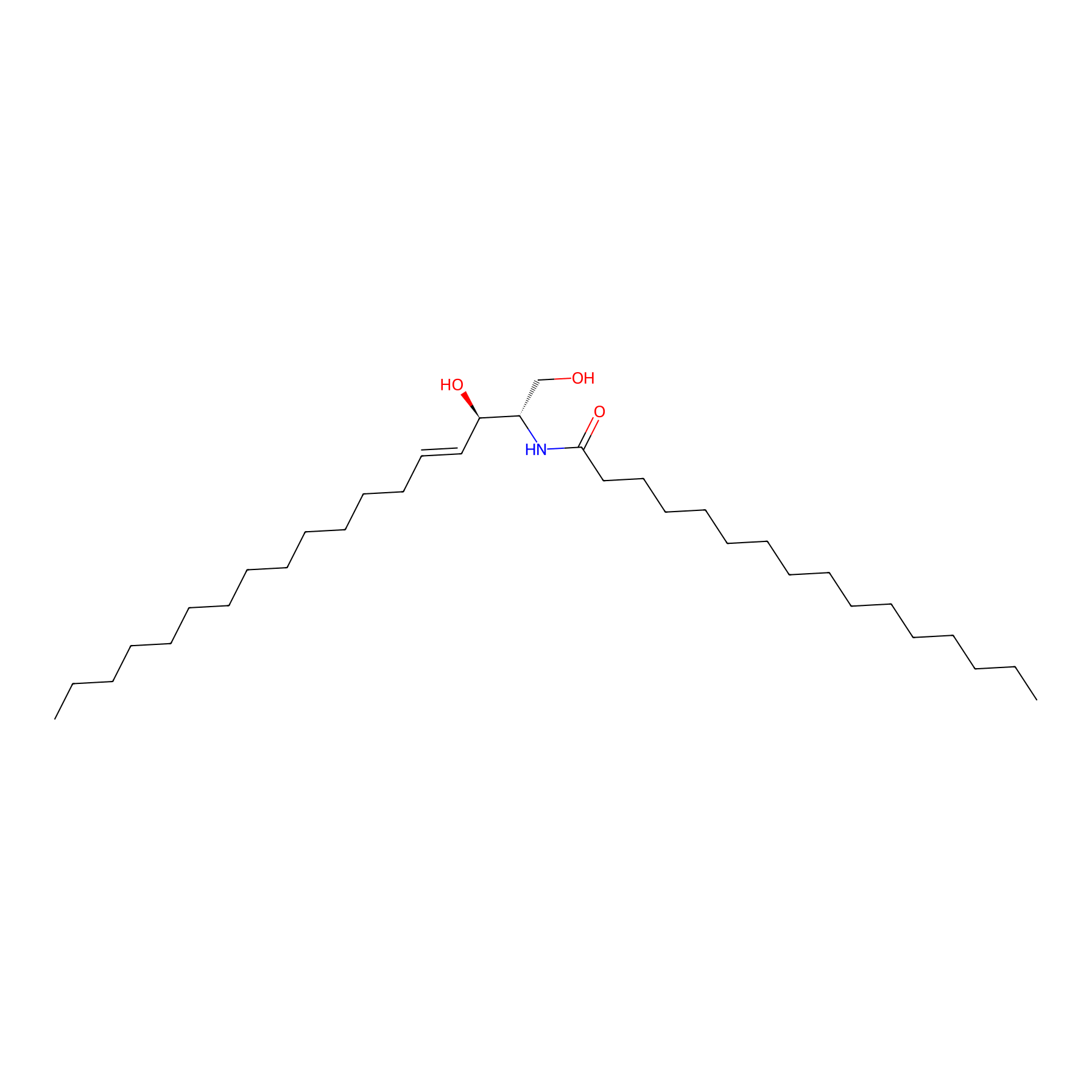 Ceramide
A sphingoid base linked to a fatty acid through an amide bond.
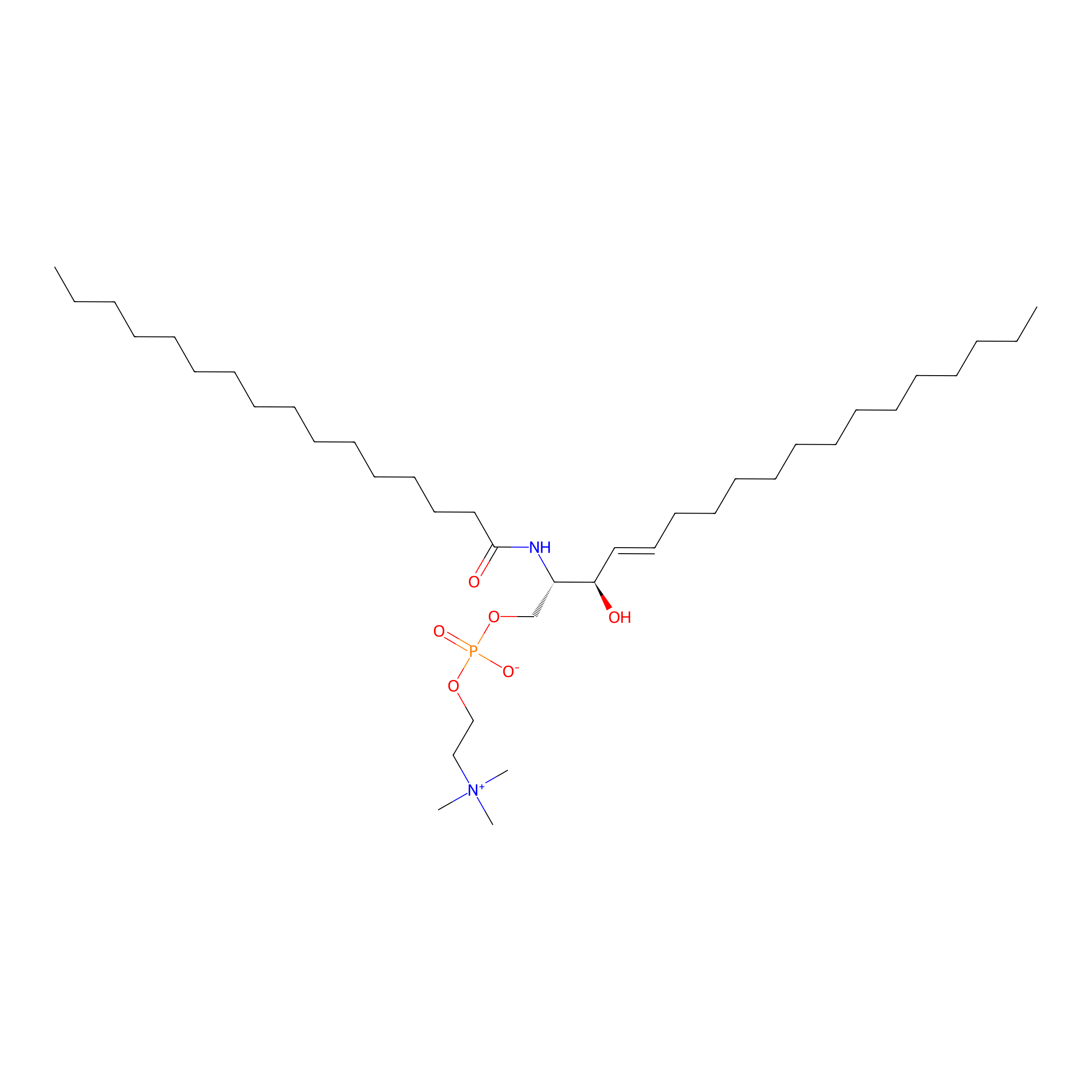 Sphingomyelin (SM)
A sphingolipid containing a phosphocholine headgroup attached to ceramide.
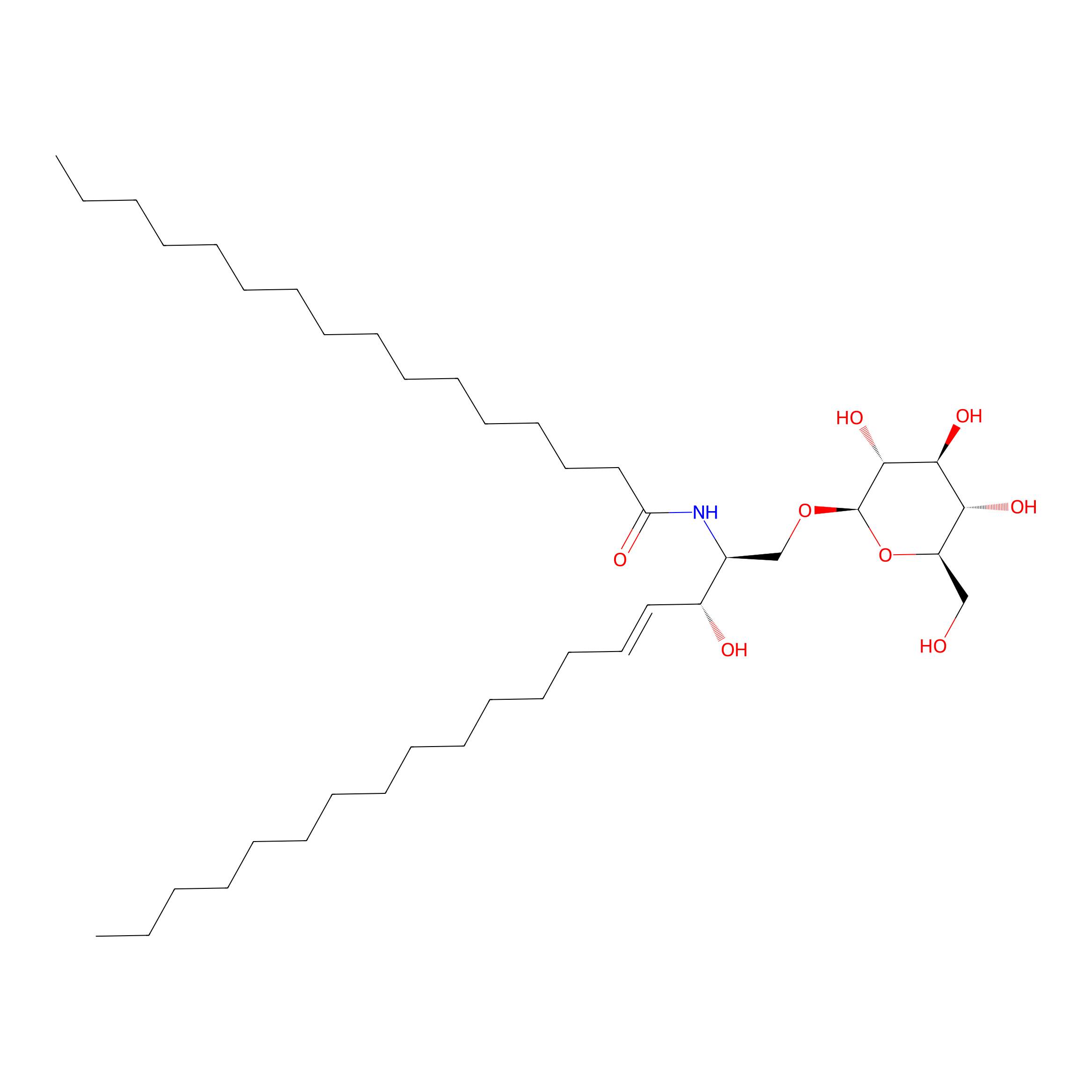 Glucosylceramide
A glycosphingolipid containing one glucose residue attached to ceramide.
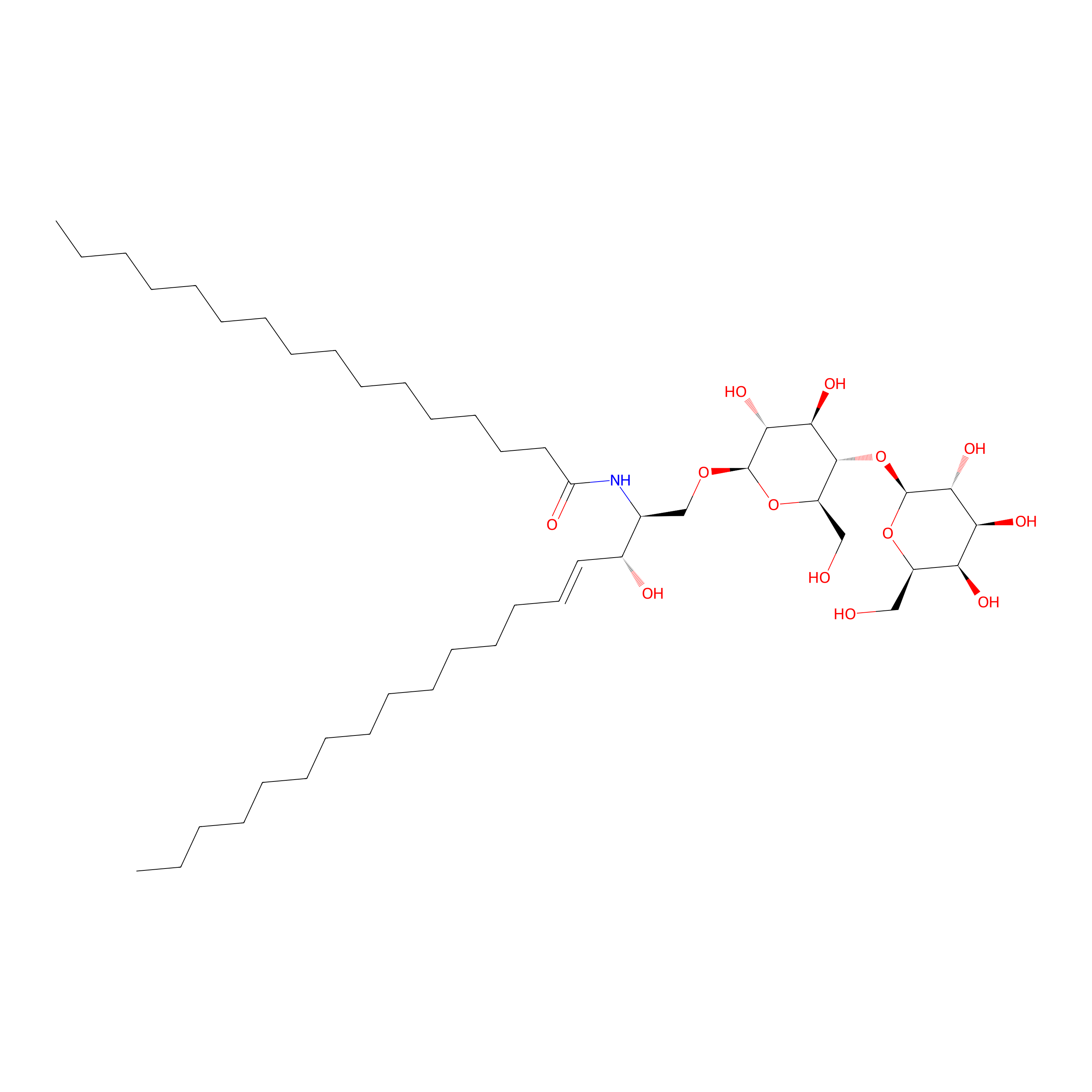 Lactosylceramide
A glycosphingolipid containing a lactose-derived disaccharide attached to ceramide.
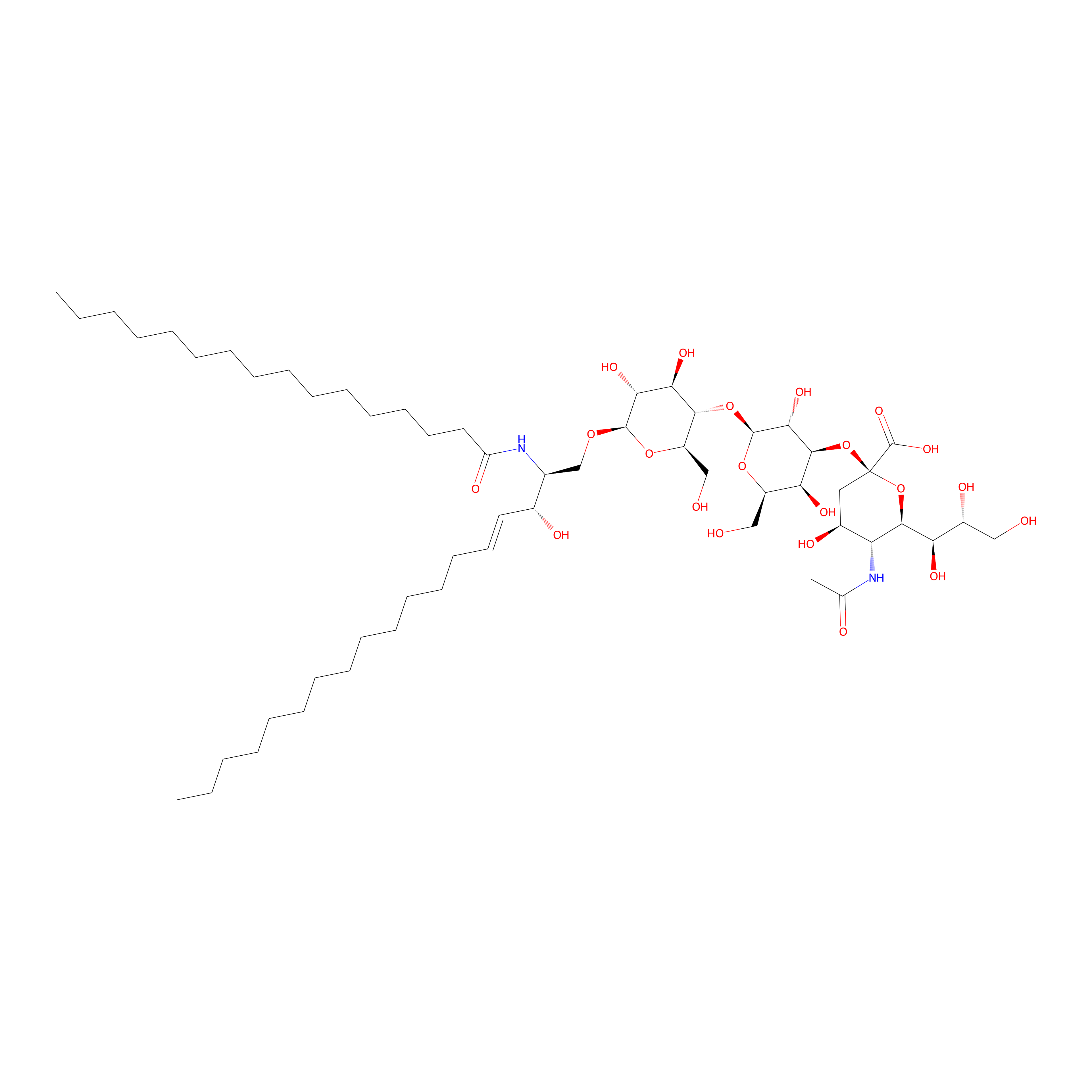 Ganglioside GM3
A monosialylated ganglioside containing a sialic acid residue and a lactosylceramide backbone.
Sterols and Sterol Esters
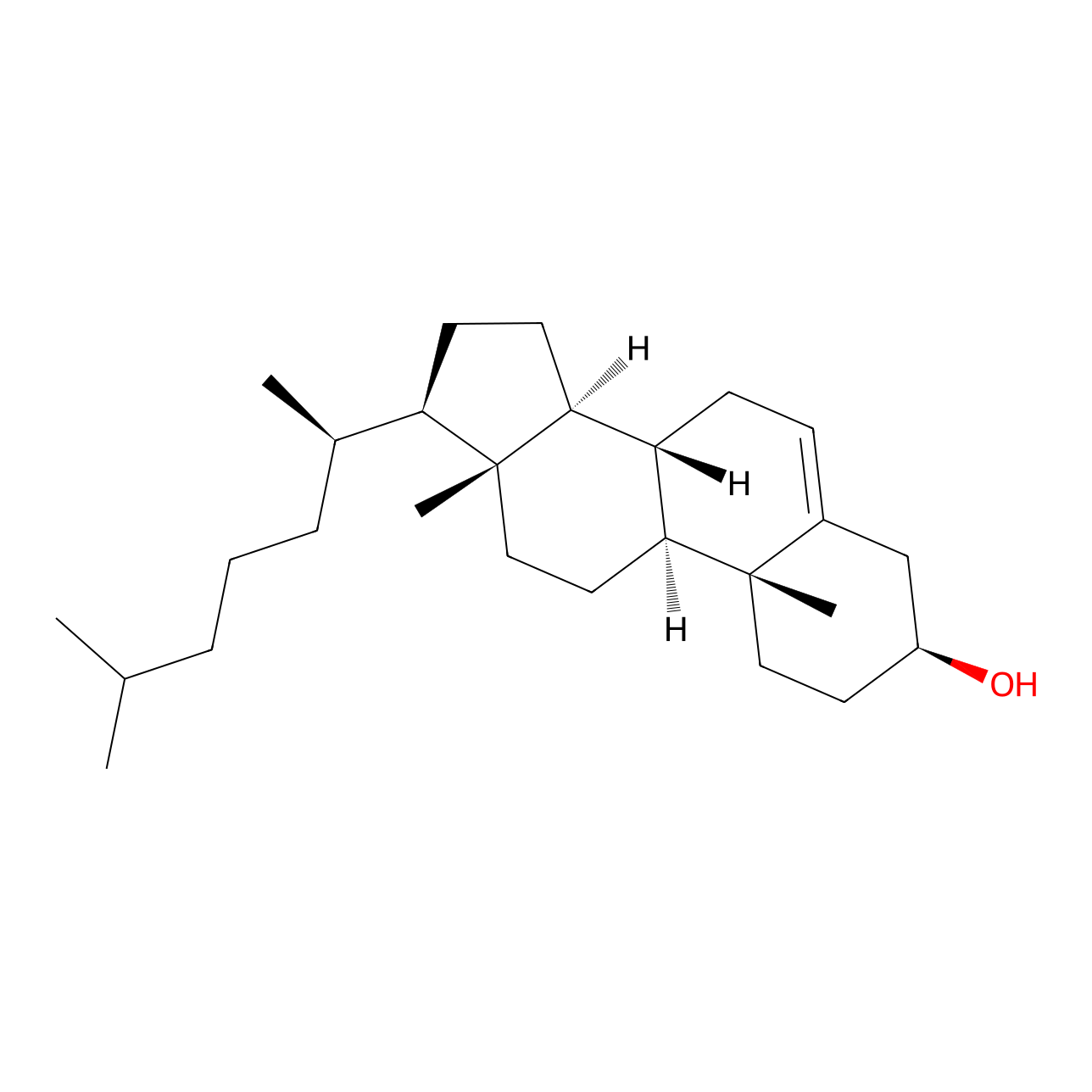 Cholesterol
A sterol containing four fused rings and a free hydroxyl group.
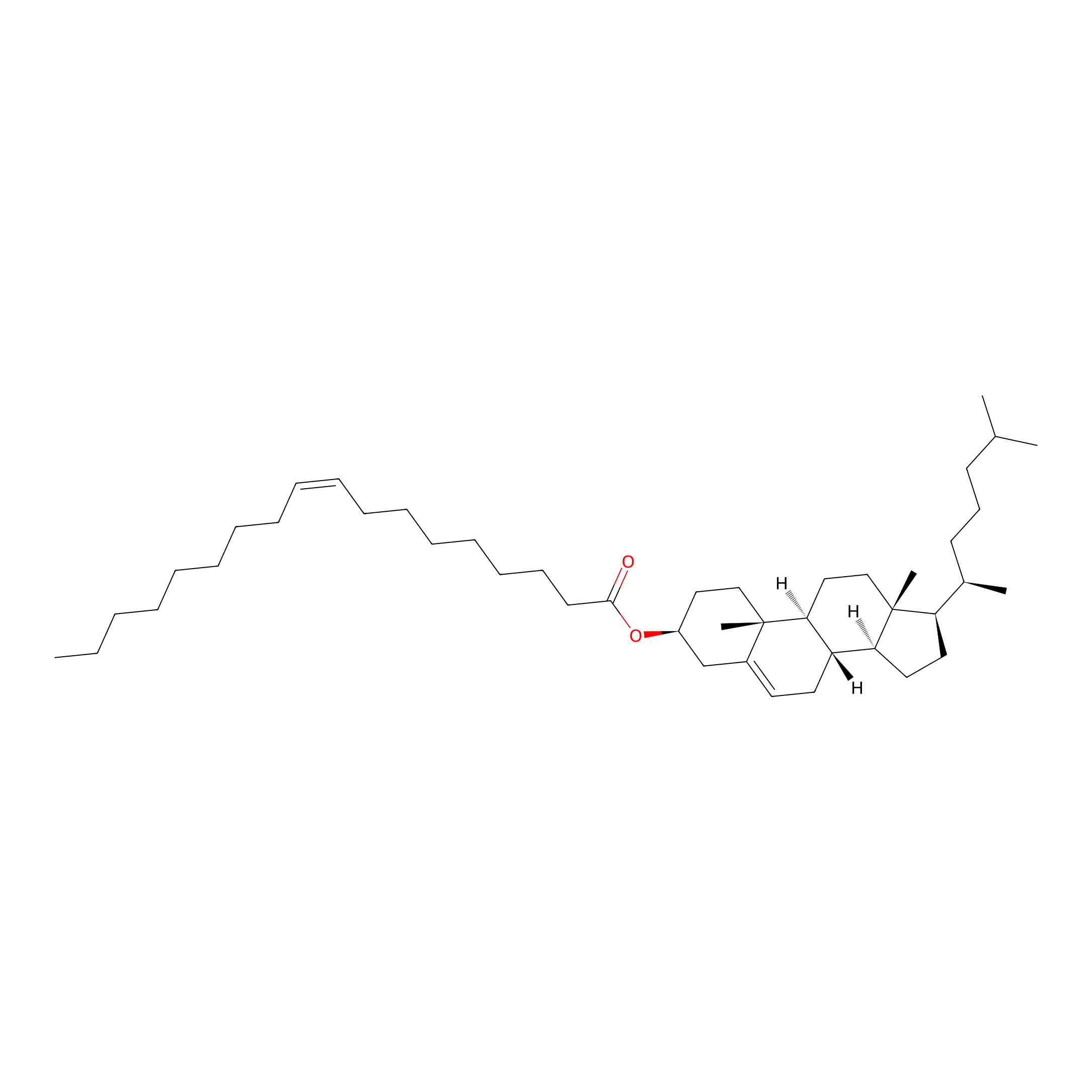 Cholesteryl oleate
A cholesteryl ester formed by esterification of cholesterol with oleic acid.
Interactive Lipid Structure Quiz
Identify the compound name, lipid class, and characteristic structural feature for each molecule. Each correct selection earns one point (20 structures × 3 answers = 60 points). Questions and answer choices are shuffled each time.
Draw Chemical Structures with BioChemCalc
BioChemCalc provides Multiple Structural Formula Drawing, a tool for drawing and comparing molecular structures from SMILES representations. For example, compare saturated and unsaturated fatty acids or examine the structural differences among phosphatidylcholine, phosphatidylethanolamine, and phosphatidylserine.
Open Multiple Structural Formula Drawing — BioChemCalc
Explore AMEZIST by TILS
AMEZIST is a research software platform from TILS that supports molecular structure analysis and computational workflows for biochemical and mass spectrometry research.