Looking for a functional groups chart for organic chemistry? Study 40 clearly labeled structures and names, learn how to identify commonly confused groups, and test your knowledge with a free interactive functional groups quiz. Choose Basic (20 questions), Advanced (20 questions), or All (40 questions). This guide is designed for organic chemistry students, exam preparation, and anyone learning to recognize functional groups from skeletal formulas.
What Are Functional Groups in Organic Chemistry?
A functional group is a recognizable arrangement of atoms that influences the physical properties and chemical reactivity of a molecule. Recognizing functional groups is essential in organic chemistry, biochemistry, medicinal chemistry, and molecular biology.
For example, alcohols contain hydroxyl groups, aldehydes and ketones contain carbonyl groups, and carboxylic acids contain both carbonyl and hydroxyl groups. Learning to recognize these structural features helps explain molecular properties and chemical reactions.
The structures below represent functional groups and related structural motifs rather than complete molecules. Some drawings use an asterisk (*) to indicate an unspecified atom or attachment point.
Functional Groups Chart: 40 Structures and Names
Review the chemical structures and their names before starting the quiz. The reference chart is divided into Basic and Advanced categories.
Basic: 20 Common Functional Groups
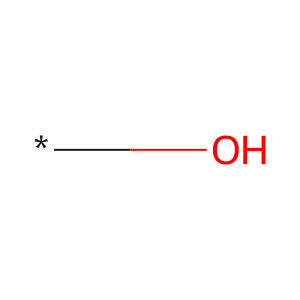
A hydroxyl group bonded to an aliphatic carbon.
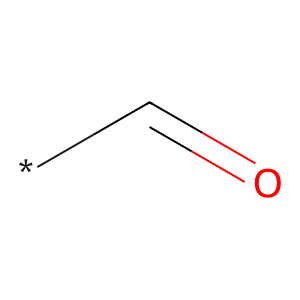
A terminal carbonyl group containing a C–H bond.
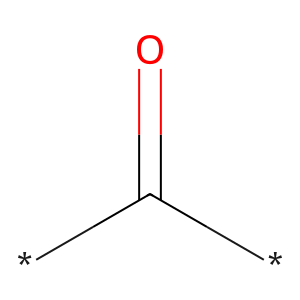
A carbonyl carbon bonded to two carbon substituents.
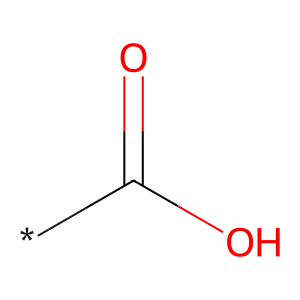
A carbonyl and hydroxyl group attached to the same carbon.
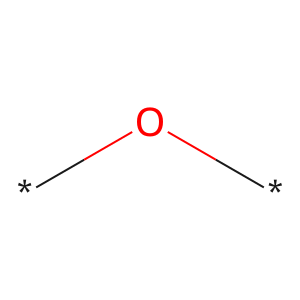
An oxygen atom connected to two organic groups.
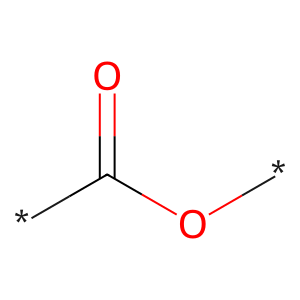
A carbonyl group connected to an alkoxy group.
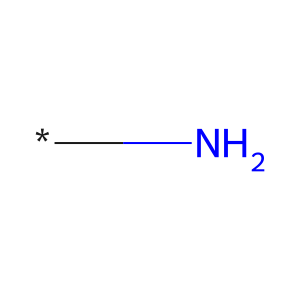
An amine nitrogen bonded to one carbon group.
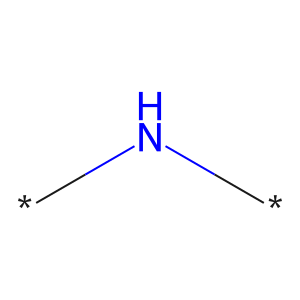
An amine nitrogen bonded to two carbon groups.
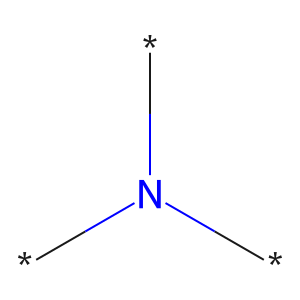
An amine nitrogen bonded to three carbon groups.
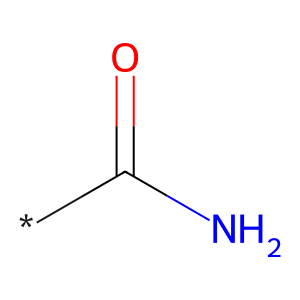
A carbonyl group bonded to an NH2 group.

A sulfhydryl group attached to an organic group.
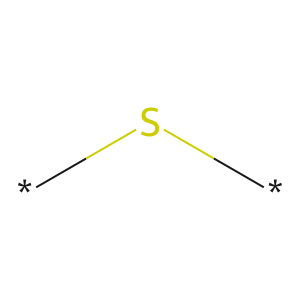
A sulfur atom connected to two organic groups.
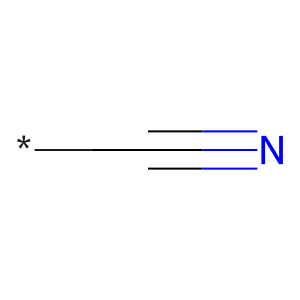
A carbon–nitrogen triple bond.
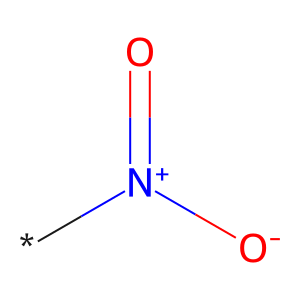
A nitrogen-containing functional group with two oxygen atoms.
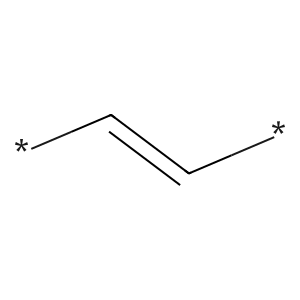
A carbon–carbon double bond.
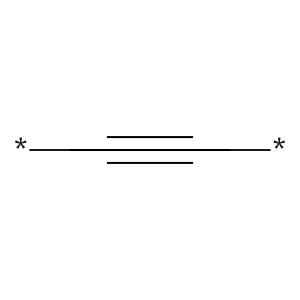
A carbon–carbon triple bond.
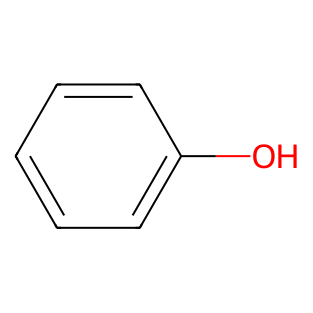
A hydroxyl group directly attached to an aromatic ring.
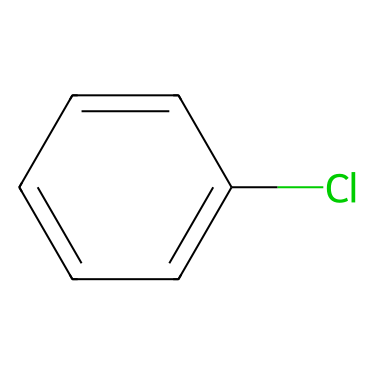
A halogen atom directly attached to an aromatic ring.
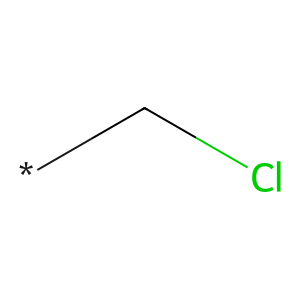
A halogen atom bonded to an aliphatic carbon.
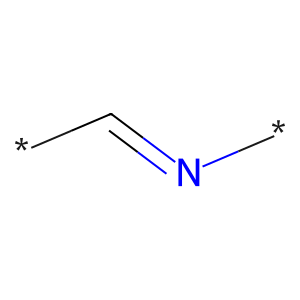
A carbon–nitrogen double bond.
Advanced: 20 Functional Groups and Structural Motifs
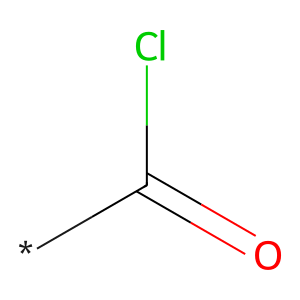
An acyl group bonded to chlorine.
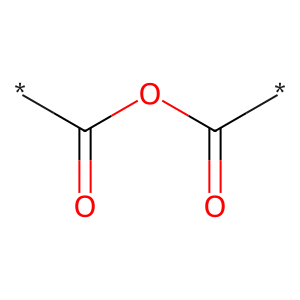
Two acyl groups connected through an oxygen atom.
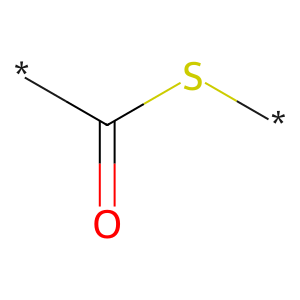
An acyl group bonded to sulfur.
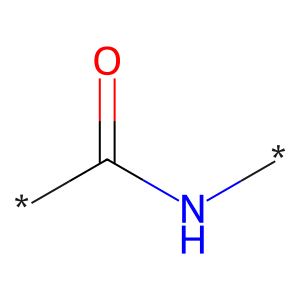
An amide nitrogen bonded to one non-hydrogen substituent.
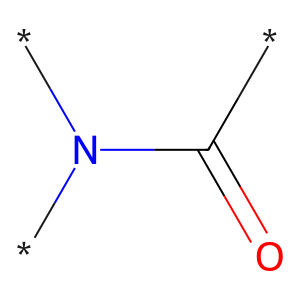
An amide nitrogen bonded to two non-hydrogen substituents.
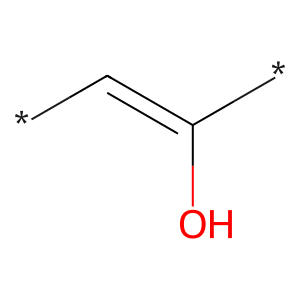
A hydroxyl group directly attached to an alkene carbon.
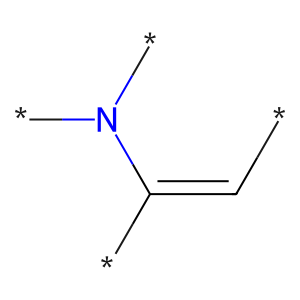
An amino group directly attached to an alkene carbon.
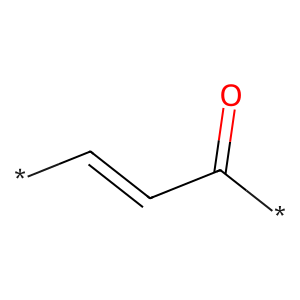
An alpha,beta-unsaturated ketone.
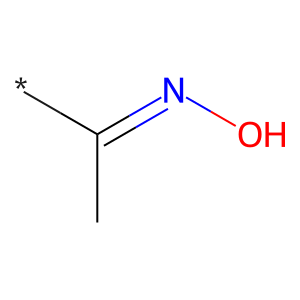
A carbon–nitrogen double bond with an N–OH group.
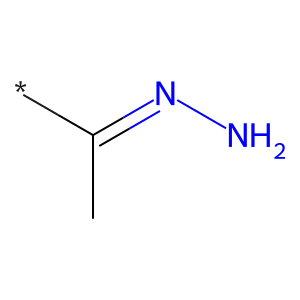
A carbon–nitrogen double bond with an N–NH2 group.
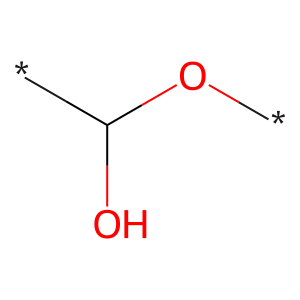
A carbon bonded to both hydroxyl and alkoxy groups.
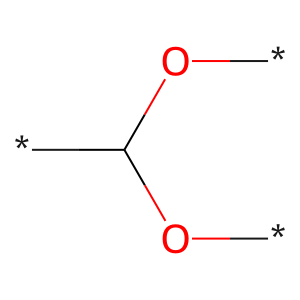
A carbon bonded to two alkoxy groups.

A three-membered cyclic ether.
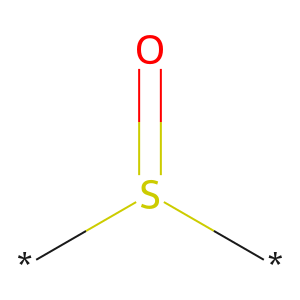
A sulfur atom bonded to two organic groups and one oxygen.
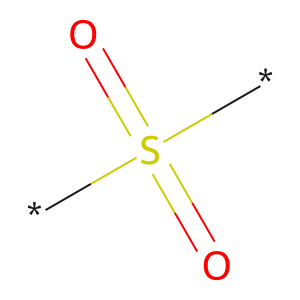
A sulfur atom bonded to two organic groups and two oxygens.
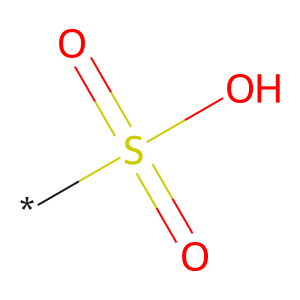
A sulfonyl group containing a hydroxyl group.
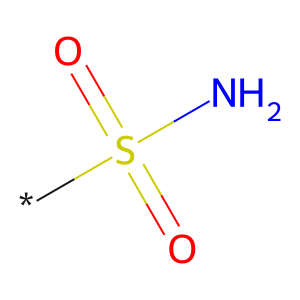
A sulfonyl group bonded to nitrogen.
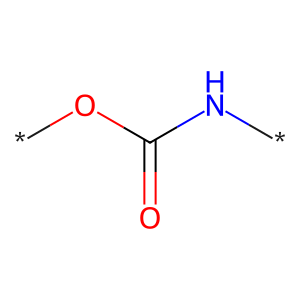
A functional group containing O–C(=O)–N.
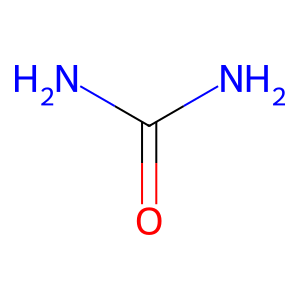
A carbonyl carbon bonded to two nitrogen atoms.
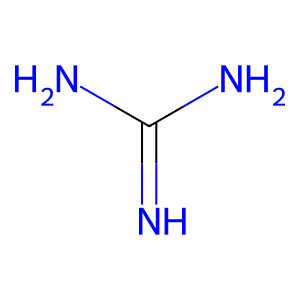
A carbon atom bonded to three nitrogen atoms.
How to Identify Functional Groups in Chemical Structures
Start by locating characteristic atoms and bonds. A carbonyl group contains C=O, a nitrile contains C≡N, and hydroxyl-containing groups contain O–H. Next, inspect the atoms directly attached to these features. For example, both esters and amides contain carbonyl groups, but esters have an oxygen atom bonded to the carbonyl carbon, whereas amides have nitrogen in that position.
Alcohol vs. Phenol: Alcohols contain hydroxyl groups attached to non-aromatic carbon atoms, whereas phenols have hydroxyl groups directly attached to aromatic ring carbons.
Aldehyde vs. Ketone: Aldehydes have a carbonyl carbon bonded to hydrogen, whereas ketones have a carbonyl carbon bonded to two carbon substituents.
Ester vs. Thioester: Esters have oxygen adjacent to the acyl carbon, whereas thioesters have sulfur in the corresponding position.
Amine vs. Amide: Amides have nitrogen directly attached to a carbonyl carbon. Amines do not have this amide linkage.
Acetal vs. Hemiacetal: Acetals have two alkoxy substituents on one carbon, whereas hemiacetals have one alkoxy group and one hydroxyl group on the same carbon.
Sulfoxide vs. Sulfone: In conventional structural representations, sulfoxides have one S=O bond, whereas sulfones have two.
Organic Chemistry Functional Groups Practice Quiz
Identify each functional group from its chemical structure. Every question has three answer choices, including exactly one correct answer. Select Basic (20 questions), Advanced (20 questions), or All (40 questions). Questions and answer positions are randomized. Each correct answer earns one point.
Functional Groups in Biochemistry
Functional groups help explain the chemical properties of biological molecules. Amino acids commonly contain amino and carboxylic acid groups, carbohydrates contain multiple hydroxyl groups, and many lipid structures contain ester linkages. Recognizing functional groups provides a bridge between organic chemistry and biochemistry.
For more structure-identification practice, try the 20 Amino Acids Structure Quiz and the DNA and RNA Structure Quiz.
Frequently Asked Questions About Functional Groups
What are the most common functional groups in organic chemistry?
Common examples include alcohols, aldehydes, ketones, carboxylic acids, ethers, esters, amines, amides, and halides.
How do I identify functional groups in a skeletal structure?
Look for heteroatoms such as O, N, S, and halogens, as well as double and triple bonds. Then inspect which atoms are directly connected. For example, C(=O)–O can indicate an ester or carboxylic acid, while C(=O)–N indicates an amide.
What is the difference between an alcohol and a phenol?
Alcohols have hydroxyl groups attached to non-aromatic carbons. Phenols have hydroxyl groups directly attached to aromatic ring carbons.
What is the difference between an amine and an amide?
In an amide, nitrogen is directly bonded to a carbonyl carbon. An amine does not contain that amide linkage.
How can I memorize functional groups for organic chemistry exams?
Learn their characteristic bonds, compare structurally similar groups, and repeatedly identify structures without looking at the names. Start with Basic mode and progress to Advanced and All modes.
Draw Chemical Structures with BioChemCalc
BioChemCalc provides Multiple Structural Formula Drawing, a tool for drawing and comparing molecular structures from SMILES representations.
Open Multiple Structural Formula Drawing — BioChemCalc
Explore AMEZIST by TILS
AMEZIST supports molecular structure analysis and computational workflows for biochemical and mass spectrometry research.