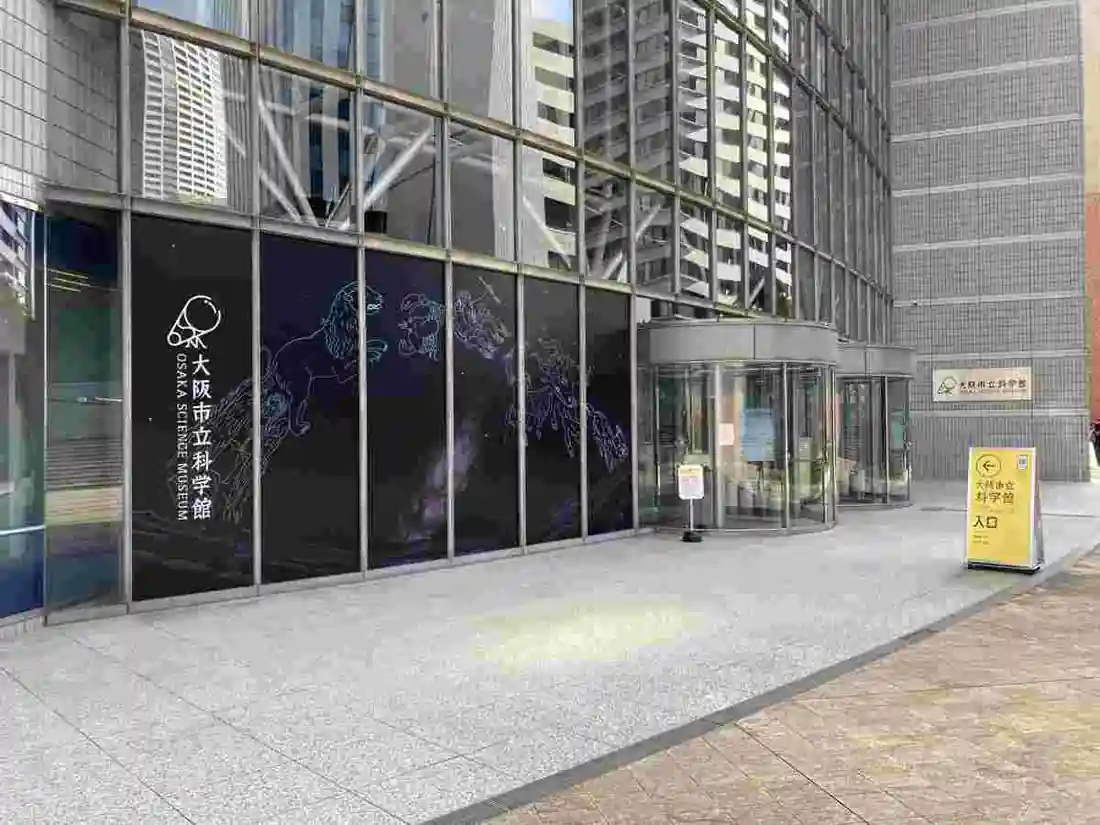
Is the Osaka Science Museum worth visiting? The Osaka Science Museum (大阪市立科学館) in Nakanoshima covers physics, chemistry, electronics and engineering, with interactive exhibits and displays on the history of science and technology. I visited the exhibition galleries and spent roughly two hours exploring them. This review focuses on what I saw and which visitors I think would enjoy the museum.
Osaka Science Museum: Practical Visitor Information
Admission, schedules and temporary closures can change. The prices above are for the exhibition galleries, not the planetarium. See the official visitor guide and opening calendar before visiting. I noticed information suggesting that some university-affiliated visitors may qualify for free admission, but I did not confirm the eligible institutions or conditions; check directly with the museum rather than assuming eligibility.
Interactive Exhibits: Light, Elements and Electricity
The galleries cover basic science as well as practical engineering. During my visit, I saw exhibits related to optics, elements, electrical technology and scientific instruments. Several exhibits invite visitors to observe a phenomenon rather than only read about it.
One prism demonstration used white LED light to show the separation of light into colors. I liked this choice: the spectrum could be demonstrated without relying on a laser. The result was straightforward to understand, particularly for students already familiar with dispersion from a textbook.
Another effective display presented the periodic table using actual samples of elements. It connected chemical symbols with physical materials. Seeing real examples made the table more concrete than a printed chart alone.
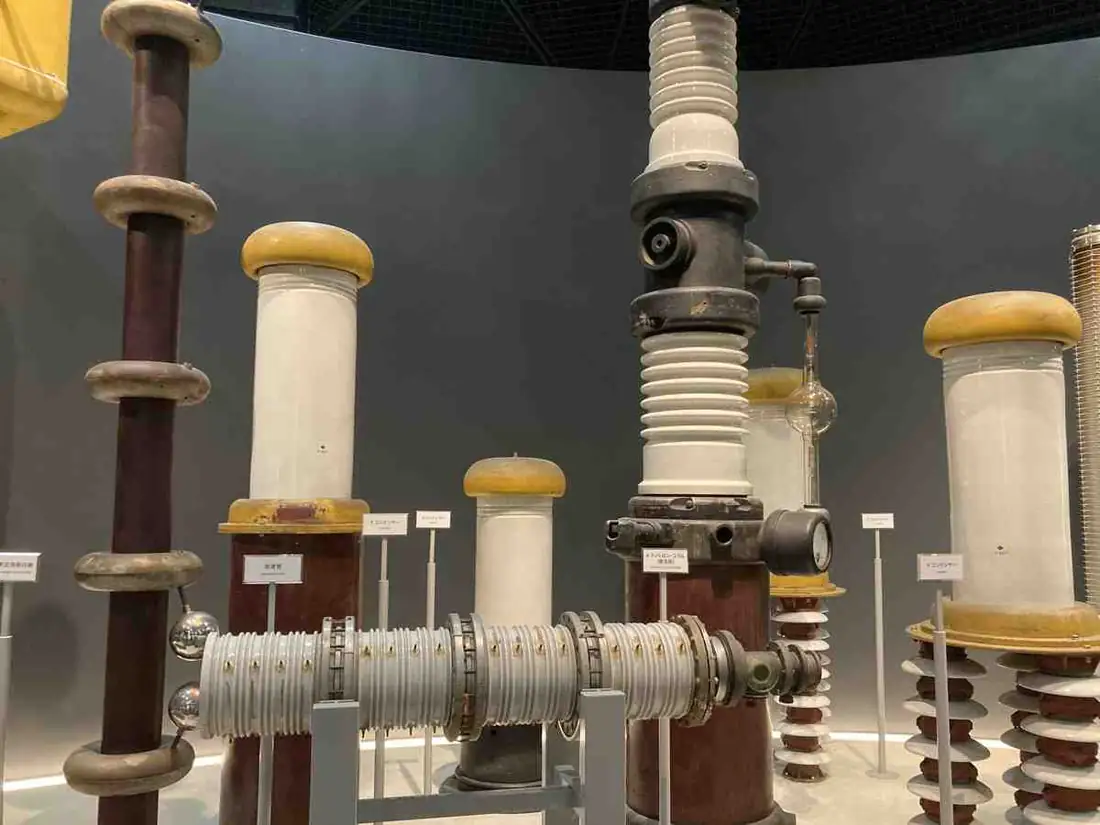
There were also large electrical devices with prominent insulators and metal fittings. The equipment gives visitors a sense of the physical scale of earlier electrical engineering. I found these displays interesting both as objects and as examples of applied physics.
Historical Microscopes and Scientific Instruments
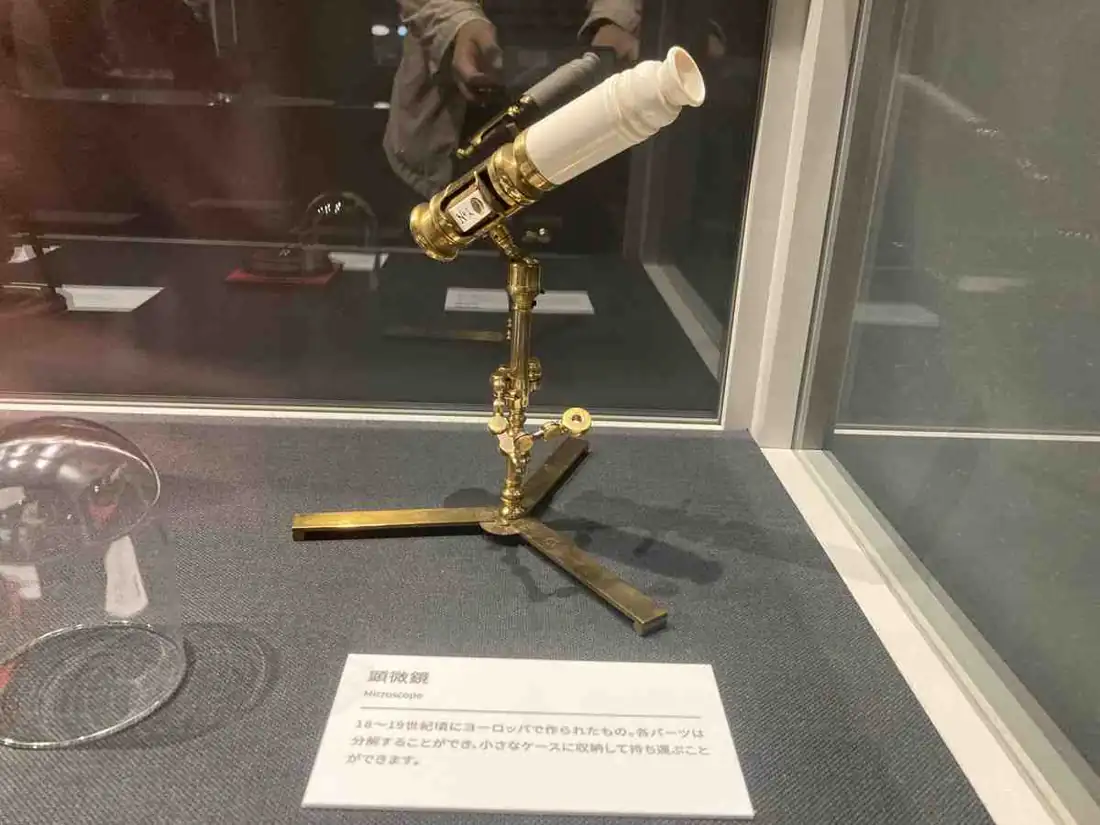
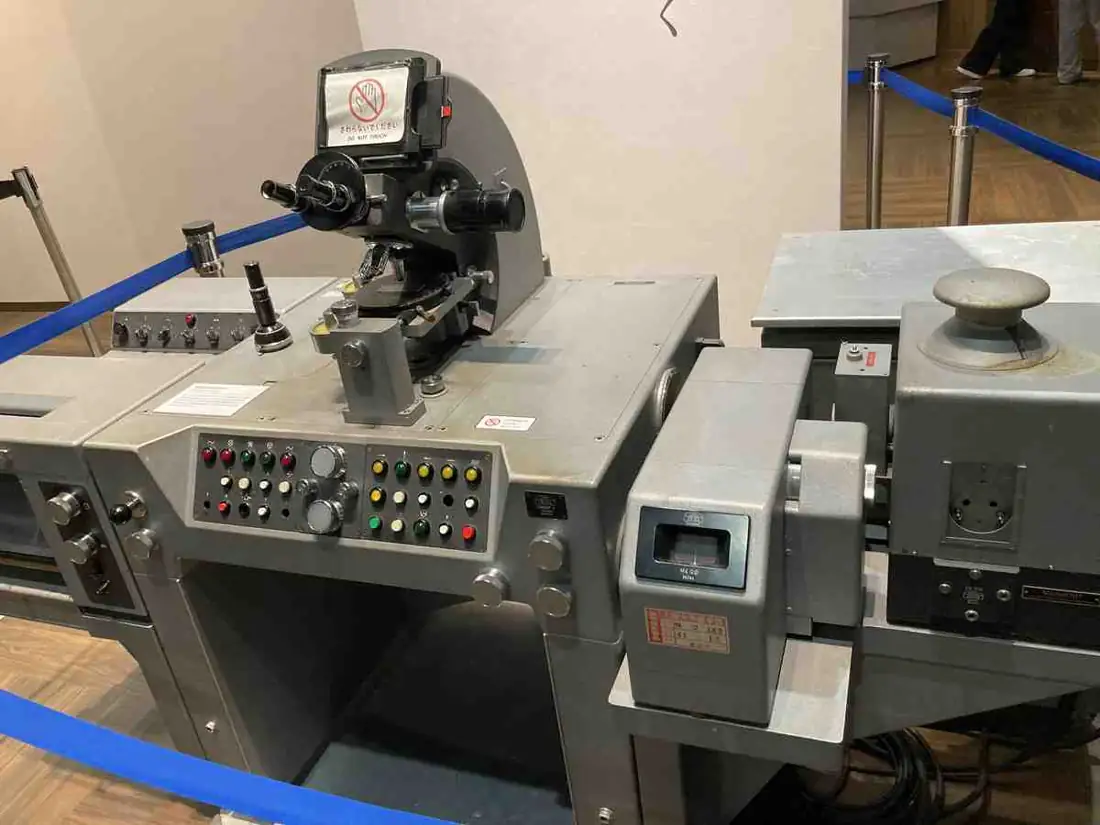
I particularly enjoyed the historical microscopes. I like microscopes as instruments, and the older examples were worth seeing for their design alone. I particularly liked the combination of polished brass and ivory-colored finishes. Their appearance is quite different from that of most modern laboratory equipment.
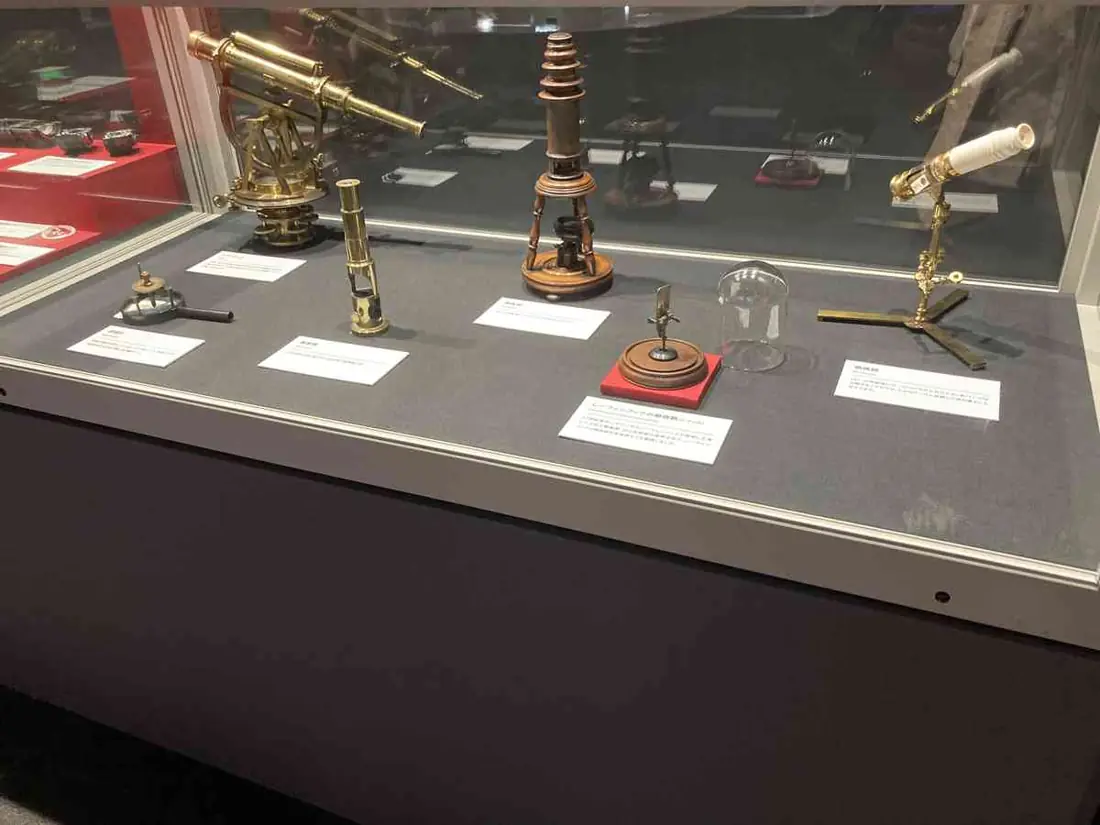
Vacuum tubes and analog meters also caught my attention. They make the history of measurement and electronics visible through physical components that are less common in current instruments.
I also saw a spectrophotometer bearing an Osaka University equipment management label. In my current laboratory work, I use JEOL instruments. Seeing it made me wonder whether the JEOL instruments I currently use in my laboratory might also become museum exhibits someday.
From Traditional Materials to Modern Industry
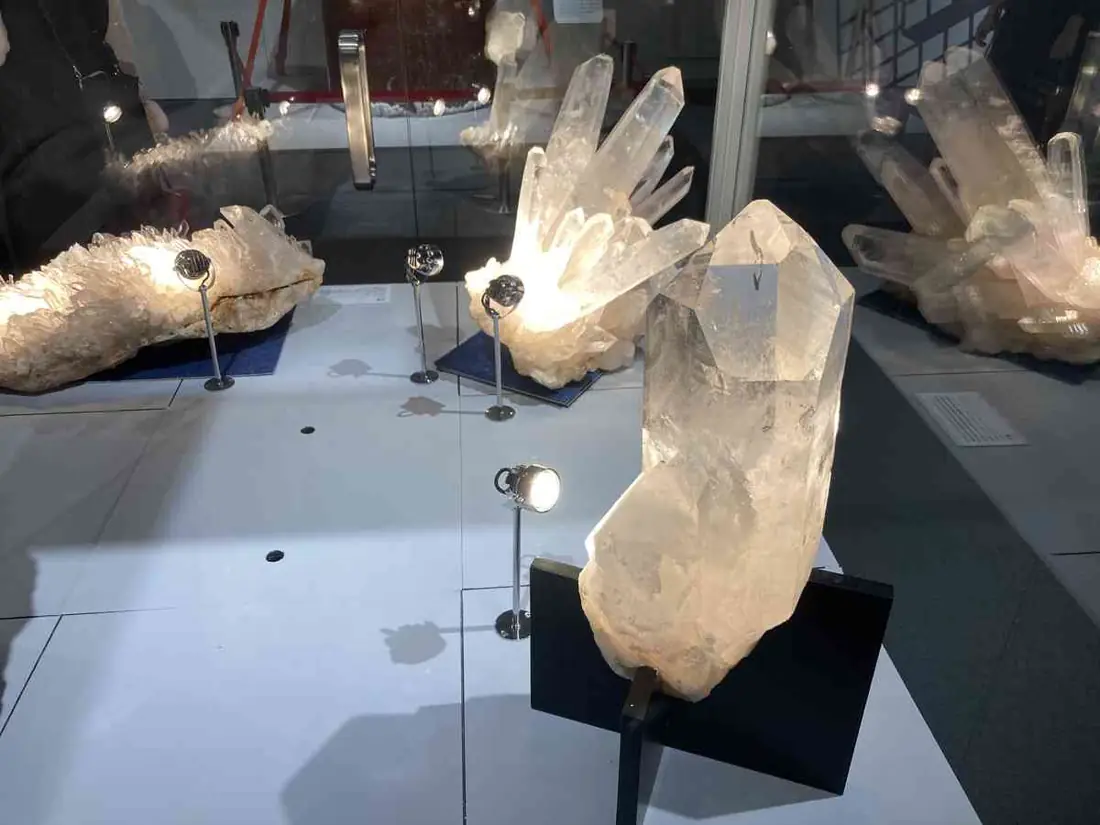
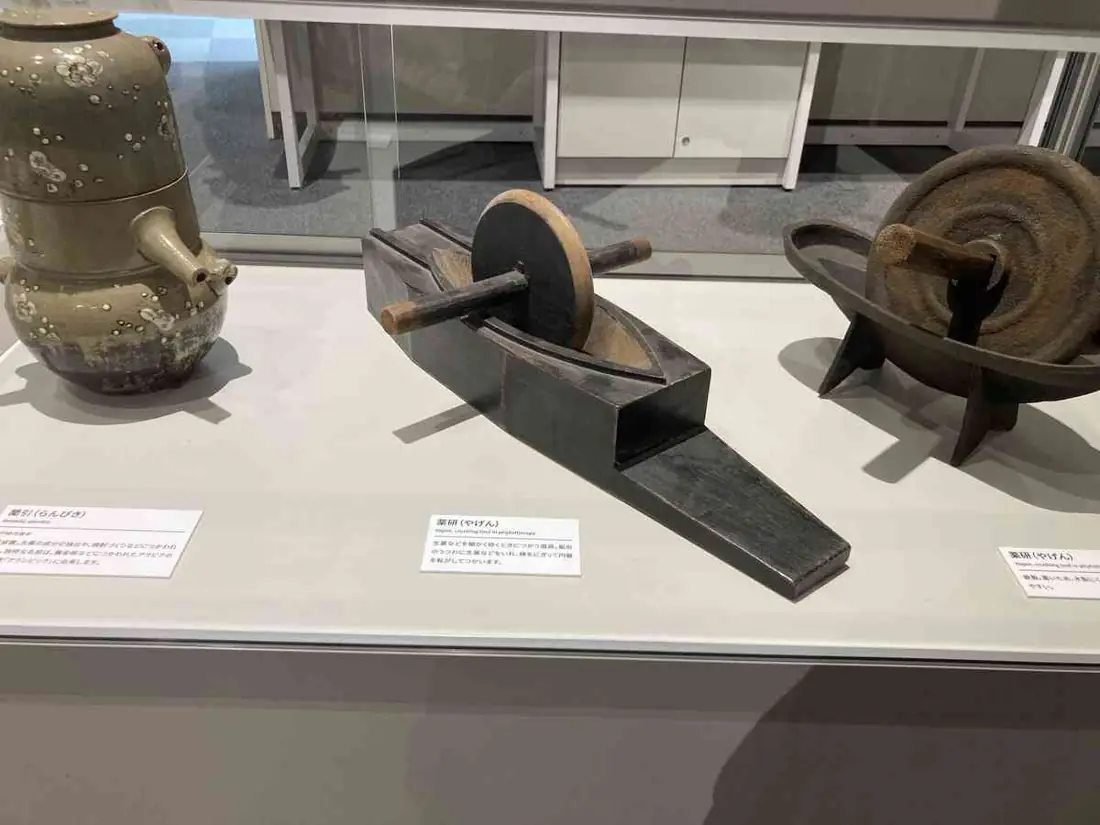
The museum also addresses the applications of chemistry and materials science. I appreciated the range of examples: semiconductors, Japanese swords, lacquer and traditional medicinal materials were among the topics represented. Together, they showed how the development and use of materials connect chemistry with manufacturing and everyday objects.
This was one of the strengths of the exhibition for me. It did not present science only as abstract principles; it also showed how materials are developed and used in products, from traditional craftsmanship to current technology.
Who Would Enjoy the Osaka Science Museum?
In my experience, the museum was busy but did not feel overcrowded. The interior is spacious enough to spend time examining individual exhibits. I visited on my own and found plenty to look at.
I would describe the level of the exhibition as general science for the public, rather than a venue intended only for small children. Much of the material should be understandable to junior-high and high-school students, while adults with an interest in science can also enjoy the historical equipment and technical displays.
For visitors who enjoy taking their time with older instruments, the microscope collection and electrical exhibits are particularly worth seeing. Around two hours was enough for my visit to the exhibition galleries, although individual interests and activity times will vary.
Science and Art in Nakanoshima
The museum is in Nakanoshima, an area with other cultural institutions. The nearby National Museum of Art, Osaka and Nakanoshima Museum of Art, Osaka make it possible to combine science and art during one outing. Check each institution's exhibitions and opening hours separately before planning a multi-museum visit.
Where Is Osaka Science Museum?
Osaka Science Museum is located at 4-2-1 Nakanoshima, Kita-ku, Osaka. The official access guide lists Watanabebashi Station on the Keihan Nakanoshima Line at approximately 400 m, and Higobashi Station on the Osaka Metro Yotsubashi Line at approximately 500 m.
Open in Google Maps ↗Official Access Guide ↗Frequently Asked Questions
Is Osaka Science Museum worth visiting for adults?
Yes, especially if you are interested in physics, chemistry, engineering or the history of scientific instruments. I visited alone and enjoyed the exhibition galleries.
How much time should I allow?
About two hours worked for my exhibition visit. If you intend to attend the planetarium, plan additional time and check show times separately.
Is the museum suitable for teenagers?
In my opinion, much of the exhibition is approachable for junior-high and high-school students. Interactive demonstrations can also make familiar textbook topics easier to visualize.
How much is admission?
The official exhibition admission is ¥400 for adults and ¥300 for high-school and university students with student ID; junior-high-school students and younger enter the exhibition galleries free. Planetarium admission is separate. Check the current official price list.
Can I photograph the exhibits?
The museum's official FAQ generally permits photos of exhibits unless a restriction is posted. Avoid photographing other visitors, do not obstruct passageways, and never photograph or record a planetarium presentation. The official FAQ also permits publication of photographs taken in accordance with its rules, subject to privacy and other conditions.
Did this review cover the planetarium?
No. This article discusses the exhibition galleries I visited, not a planetarium presentation.
More Science Museums in Japan
For another museum visit, see our Kyoto Science Museum With Kids guide. More science and museum articles are available in BCC Magazine.
Thumbnail note: The red wooden gate used as this article's thumbnail was photographed in Tsuruoka, Yamagata Prefecture. It is not the entrance to Osaka Science Museum; the photograph of the museum itself appears at the beginning of this article.
Sources and Review Method
- Osaka Science Museum — Hours and Admission (official).
- Osaka Science Museum — Opening Calendar (official).
- Osaka Science Museum — Access (official).
- Osaka Science Museum — FAQ, including photography and publication (official).
- Firsthand account: Original photographs and comments from the visitor, covering the exhibition galleries, historical instruments, interactive science and practical impressions. Interpretations and personal preferences reflect the visitor's own observations.