If you study life, how much inorganic chemistry do you actually need? That question became unexpectedly interesting while paging through two Japanese mineralogy books from another era: a mineralogy textbook first published in 1913, filled with carefully drawn crystal diagrams, and a richly illustrated color mineral atlas published in 1954.
At first glance, mineralogy and molecular biology seem worlds apart. One studies rocks and crystals; the other studies DNA, proteins, and cells. But both ultimately depend on the behavior of chemical elements. The surprising part is not that biology needs carbon—it is how often biology depends on metals.
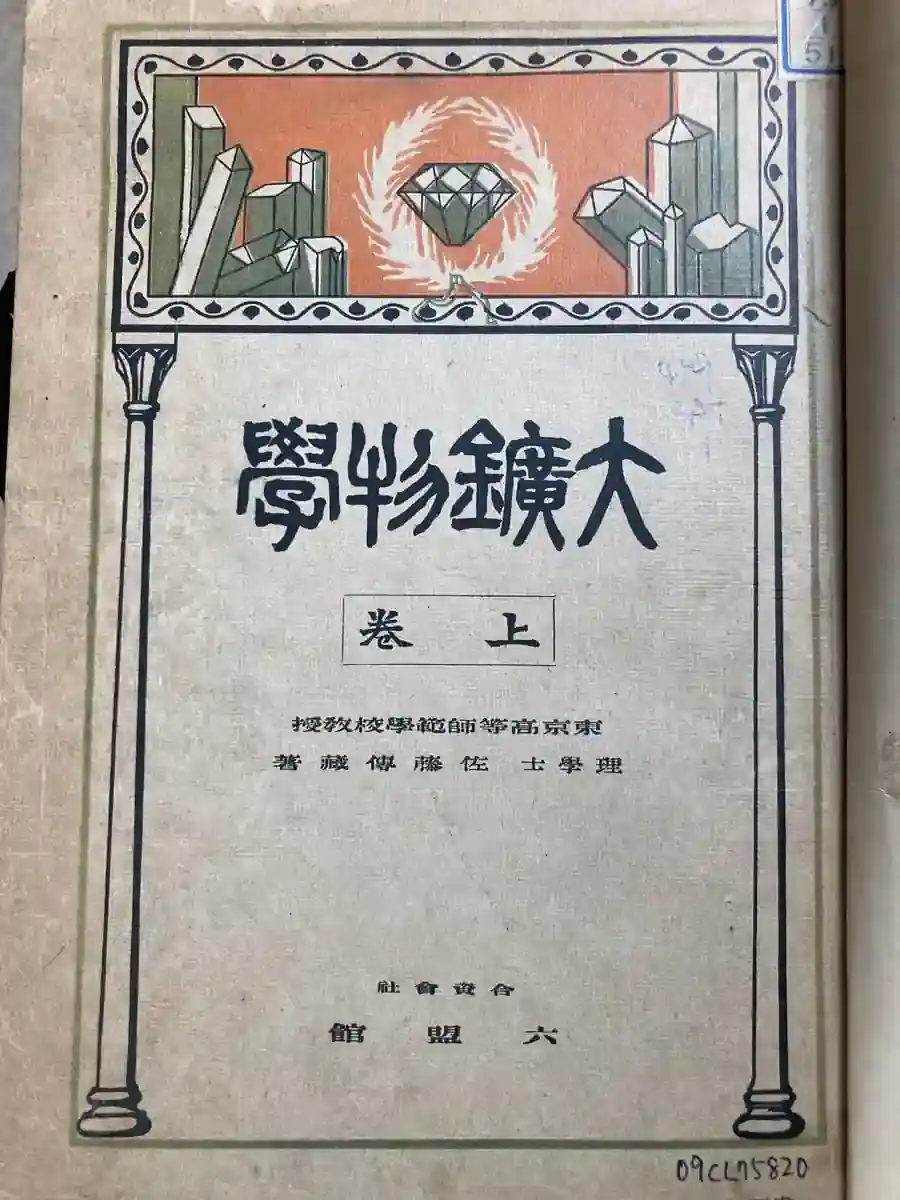
Opening a century-old world of crystals
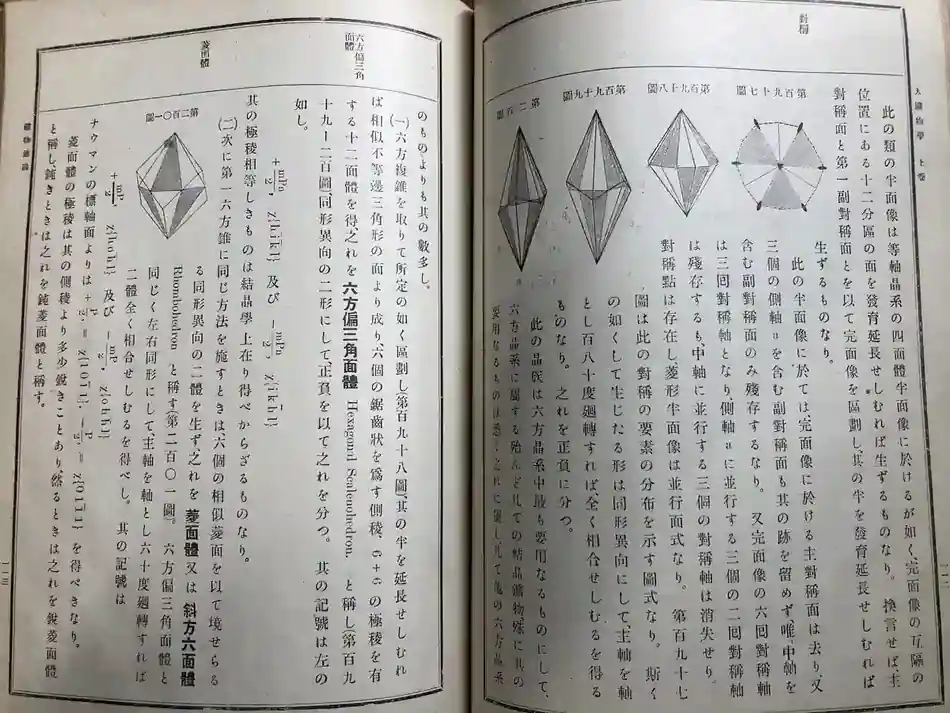
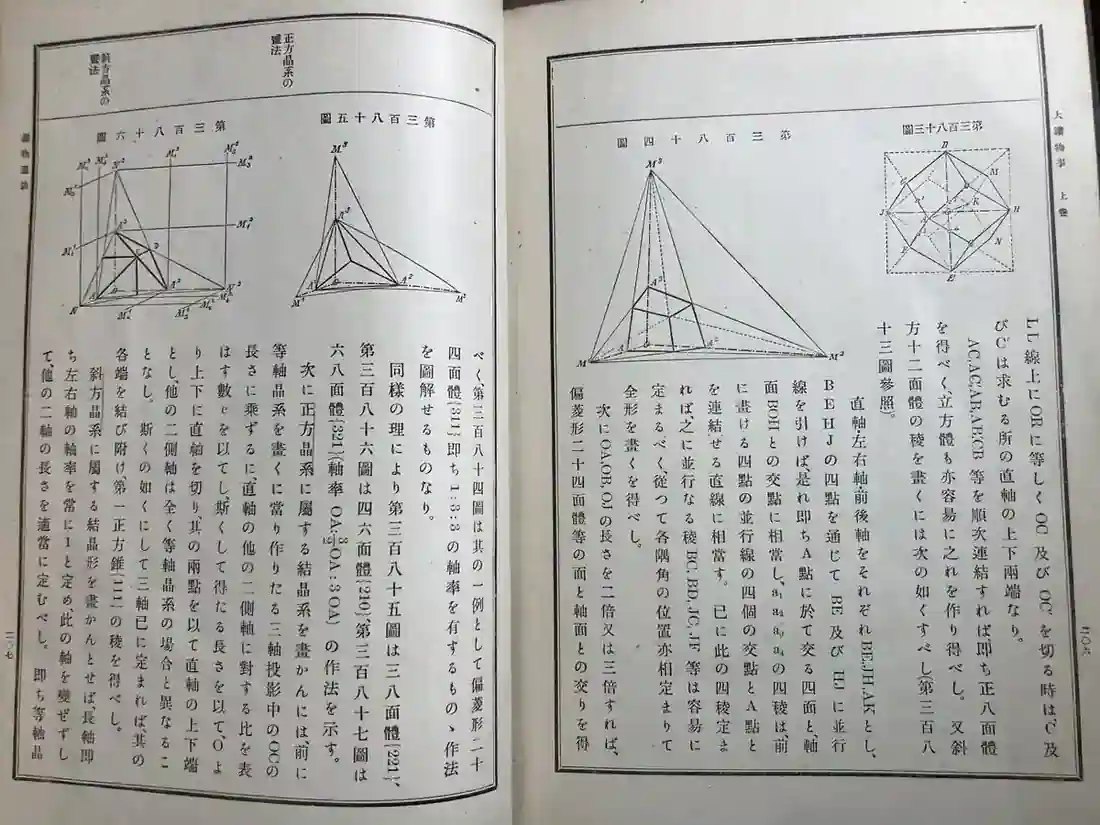
The first book, Dai Kōbutsugaku (大鑛物學), was written by Denzō Satō (佐藤傳藏). Its first volume was originally published in 1913 by Rokumeikan (六盟館). The book explores crystal morphology, symmetry, crystal faces, and their geometrical relationships through detailed illustrations.
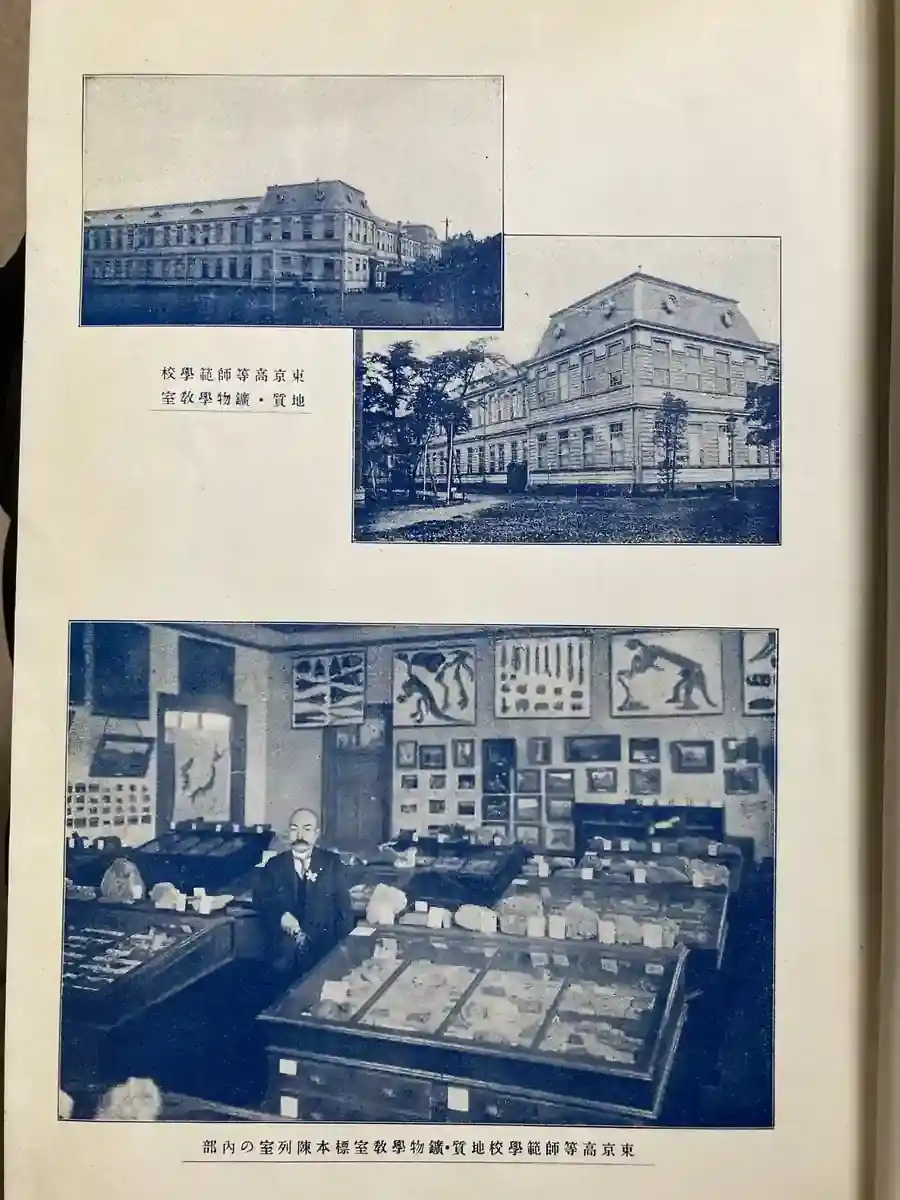
The volume also reproduces photographs of a mineralogy teaching collection at Tokyo Higher Normal School. The rows of wooden cabinets and carefully arranged specimens resemble the historic scientific museums that still attract visitors today. Opening the book feels rather like stepping into one.
Why should a life scientist care about elements?
Biochemistry courses understandably emphasize sugars, lipids, nucleotides, proteins, and the covalent chemistry of carbon, hydrogen, oxygen, nitrogen, phosphorus, and sulfur. Yet cells also need sodium, potassium, magnesium, calcium, iron, zinc, copper, and other elements. These are not optional details: ionic gradients, enzyme catalysis, and electron transfer all depend on them.
Maret and Blower (2022) specifically argue for teaching elemental biology alongside conventional biochemistry and molecular biology. Their argument is broader than saying that minerals are healthy: it concerns how different elements are selected, transported, bound, regulated, and used by living systems. DOI: 10.1002/bmb.21614.
The useful question is not whether life scientists should memorize every mineral. It is whether they can explain what an ion does in the biological system or experiment they study.
1. Magnesium: ATP is not always acting alone
In many cellular reactions, magnesium interacts with ATP and other nucleotides. Mg2+ helps organize negative charges and can contribute to the geometry needed for phosphoryl transfer. That is why a reaction containing ATP but too little available Mg2+ may behave differently from an otherwise similar reaction with sufficient magnesium. Importantly, the relevant concentrations depend on the enzyme and solution composition.
A 2024 study of adenylate kinase combined structural analysis, molecular-dynamics simulations, and enzymology. Its findings concern a particular enzyme system: Mg2+ was linked to an altered substrate geometry favorable for the transfer reaction. This provides a mechanistic example rather than suggesting that every enzyme uses magnesium in precisely the same way. DOI: 10.1126/sciadv.ado5504.
2. Iron and copper: oxidation state changes the story
Metal ions can participate in chemistry that a purely carbon-centered view misses. Iron commonly cycles between Fe(II) and Fe(III), making it useful in many biological electron-transfer processes. Copper also participates in biologically relevant redox reactions. What matters is more than the name of the element: oxidation state, ligands, surrounding protein structure, and local conditions determine how the site behaves.
Iron–sulfur clusters are a particularly good bridge from inorganic chemistry to cell biology. In mitochondria, Fe–S centers participate in electron transport and appear in a range of proteins with roles beyond respiration. A 2021 review by Read and colleagues discusses their structural and functional roles, with emphasis on mitochondrial respiration and vascular biology. DOI: 10.1016/j.redox.2021.102164.
3. Zinc: coordination without routine redox cycling
Not every biological metal is used primarily to move electrons. Zinc normally functions as Zn(II) in biological systems and often helps stabilize protein folds or participate in catalysis. Zinc fingers, for example, show why a protein's activity may depend on its ability to hold a particular metal in a particular environment.
Coordination chemistry gives the language for this: a metal ion is surrounded by donor atoms, often nitrogen, oxygen, or sulfur from biomolecules. Change the ligands or their geometry, and you can change the function. The role of zinc in protein structure and cellular metal regulation is discussed in Maret and Blower (2022).
4. Calcium, phosphate, and the chemistry of solids
Calcium is a messenger in cells, but it is also part of an inorganic material. Bone and tooth mineral contain calcium-phosphate apatite phases. This is one reason solubility, precipitation, pH, and ion concentration belong in a biologically useful chemistry toolkit. A mineral phase can form, dissolve, or transform depending on its chemical environment.
The same perspective matters in practical experiments. Precipitation in a buffer is not just an inconvenience; it can change the available concentration of reagents. In microscopy, biomineralization, and tissue research, mineral composition and crystal structure can be central to the scientific question.
A second stop in time: the 1954 color atlas
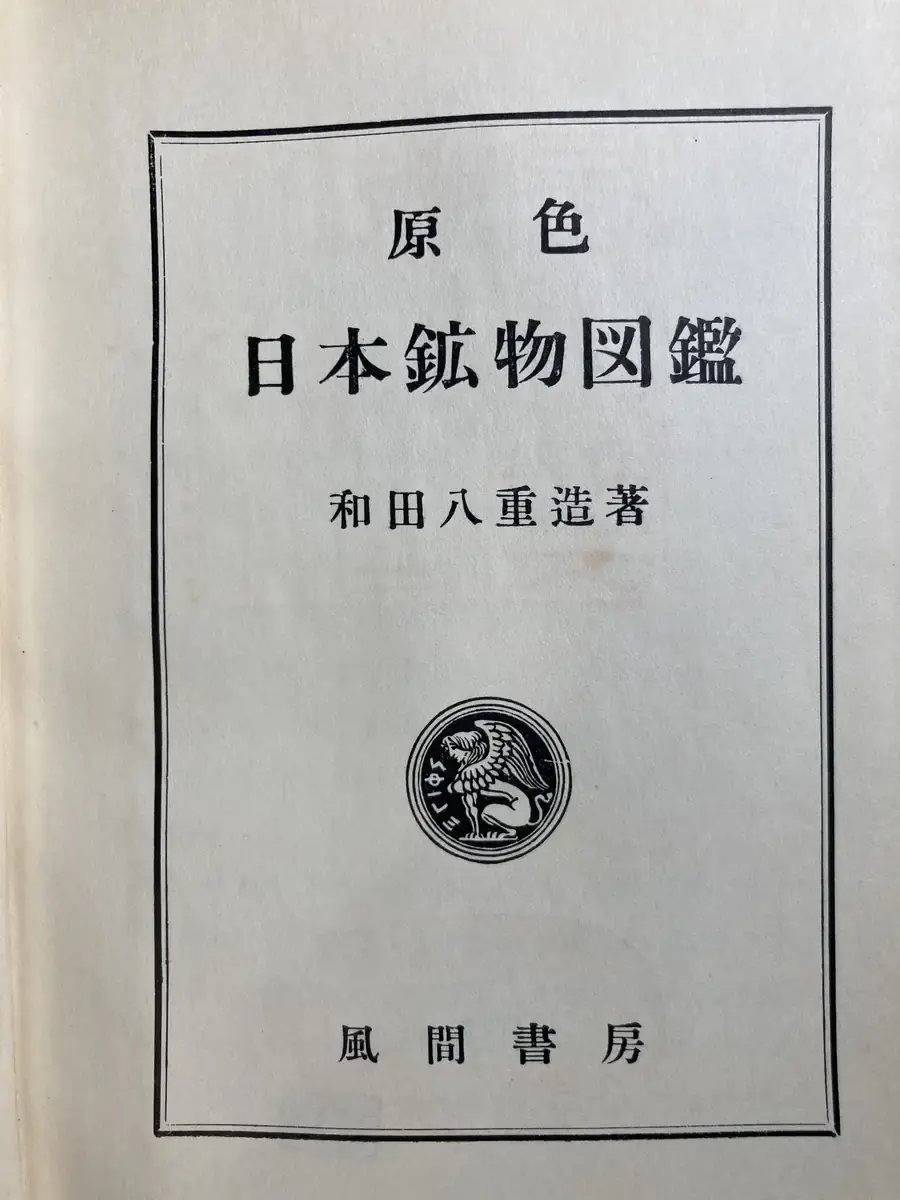
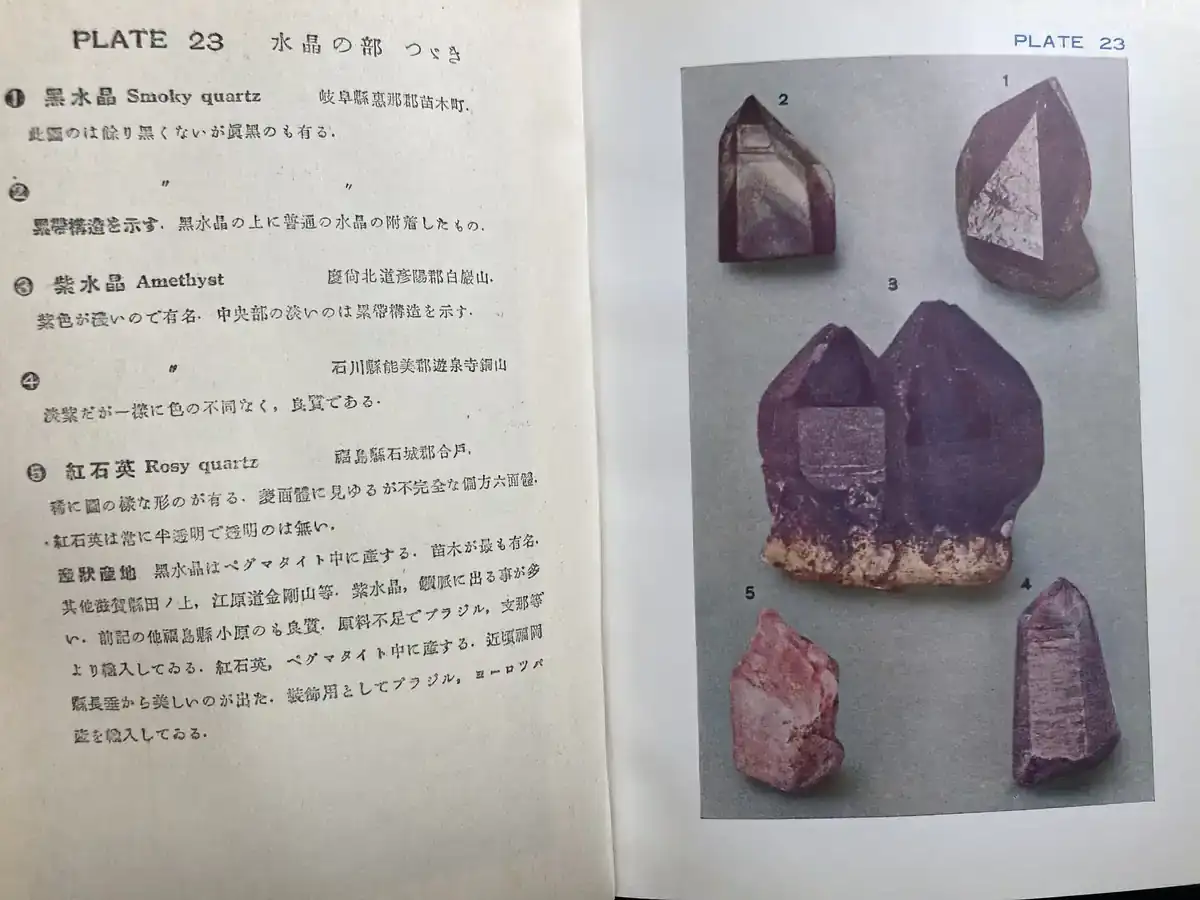
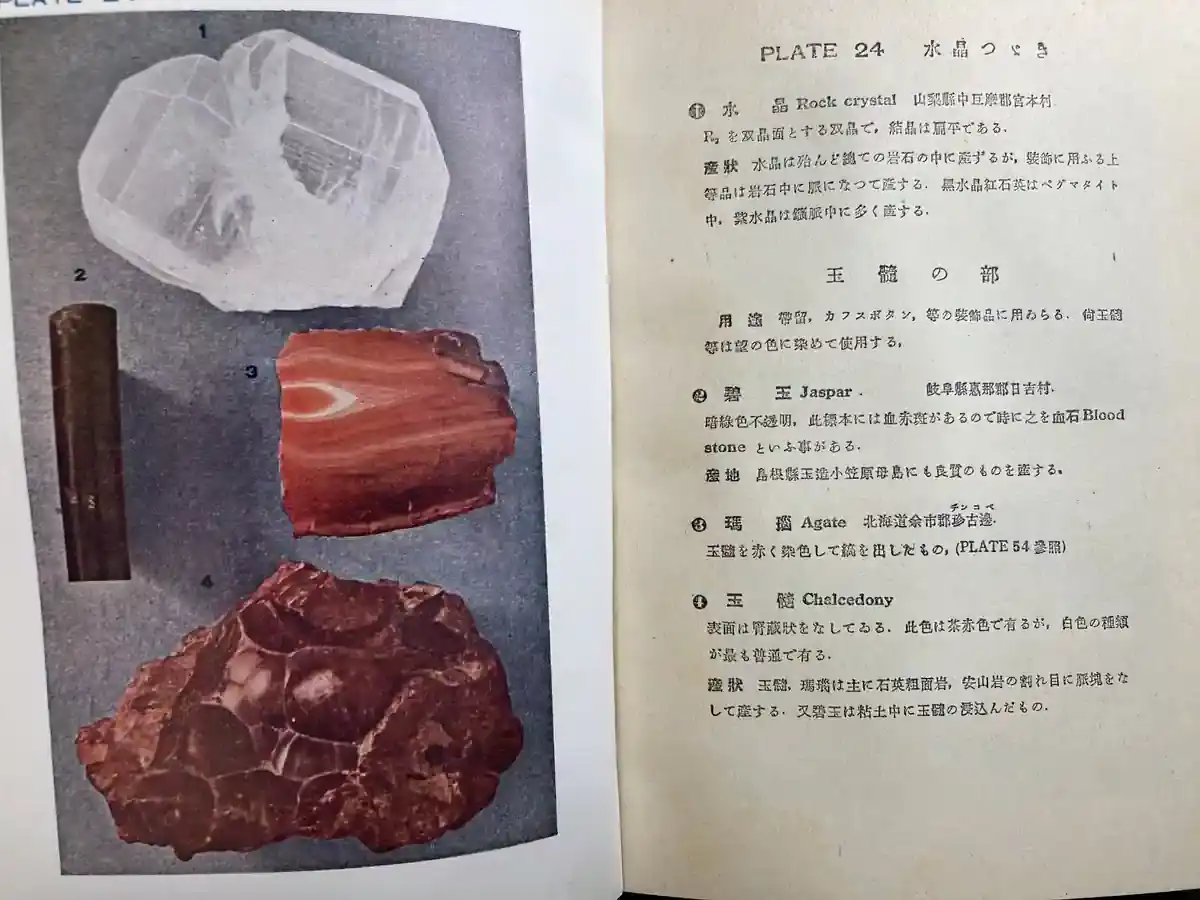
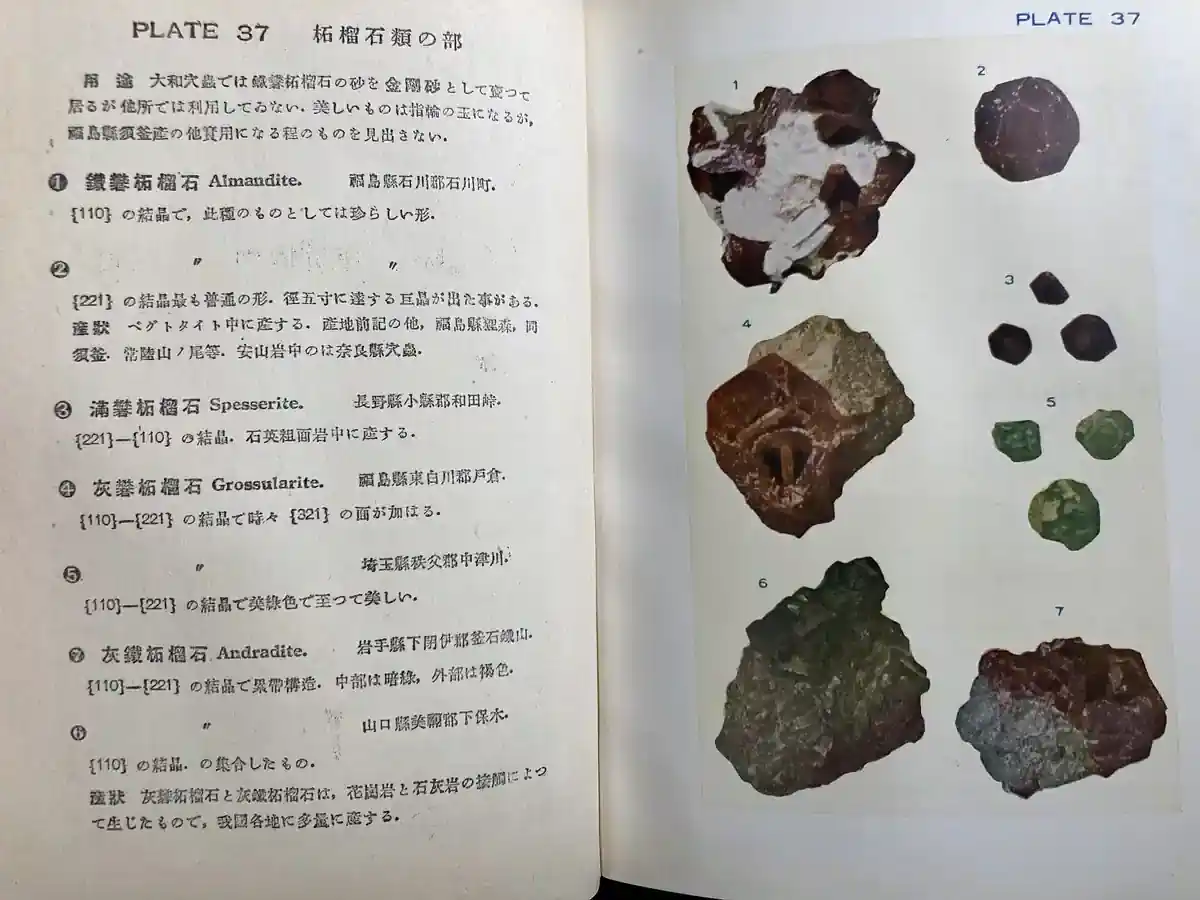
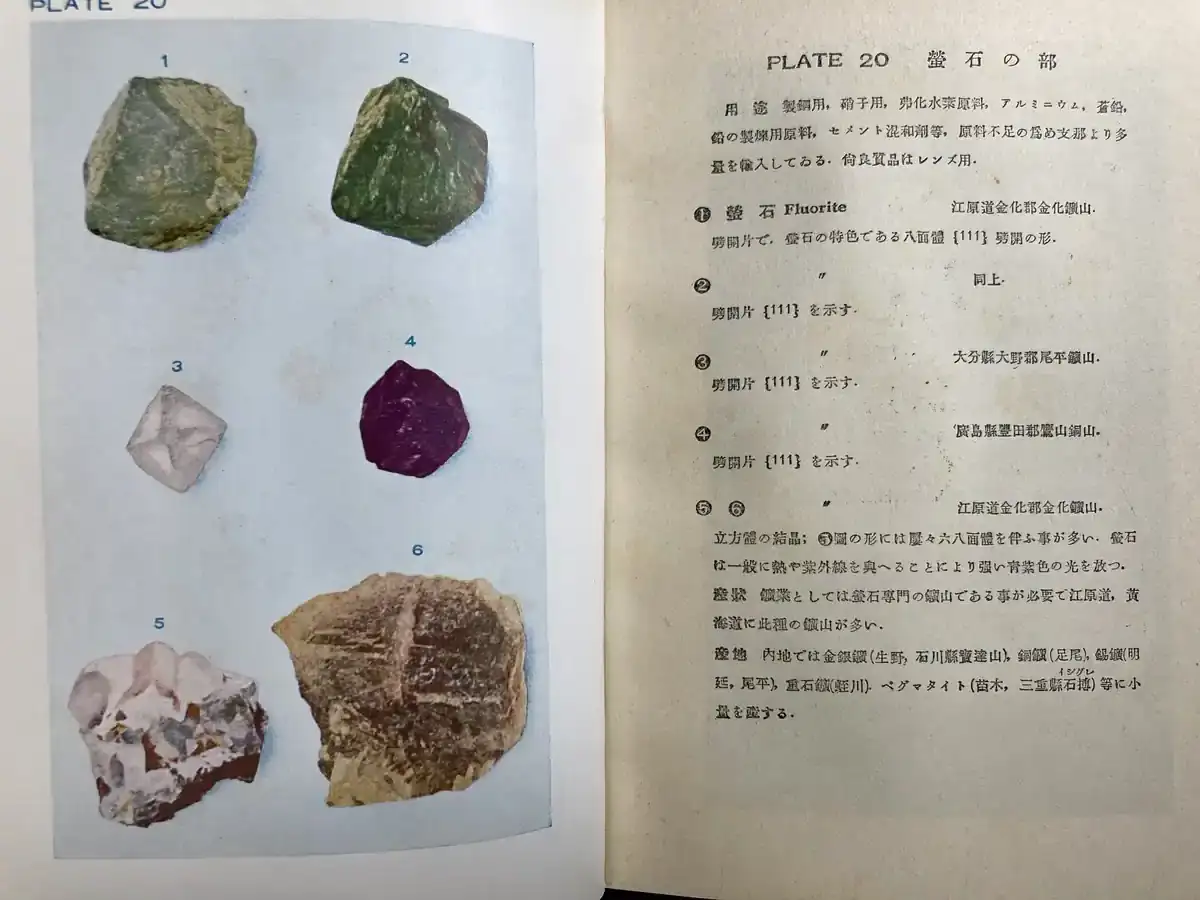
The second book, Genshoku Nihon Kōbutsu Zukan (原色日本鉱物図鑑), was written by Yaezo Wada (和田八重造) and published by Kazama Shobō (風間書房) in 1954. Its color plates show minerals as specimens rather than idealized diagrams. Quartz, garnet, fluorite, and many other stones appear with descriptions of their appearance and occurrence.
It is tempting to think of an old color atlas as simply obsolete. But photographs and visual distinctions remain excellent tools for curiosity and initial observation. The atlas also makes an important limitation visible: color alone is not a reliable identifier. Different minerals can look alike, and one mineral species can occur in many colors.
Same formula, different appearance: the quartz lesson
Smoky quartz and amethyst are varieties of quartz, a crystalline form of SiO2. Their different appearances arise from defects, impurities, and associated physical processes; the shared formula does not predict a single color. Jasper and chalcedony, also represented in the atlas, belong to the broader world of silica materials but can differ in microstructure and texture.
For a life scientist, this is a useful analogy—not because a protein is a rock, but because composition and structure are separate questions. Knowing what atoms are present is not equivalent to knowing how they are organized.
Why crystal geometry still matters
The old book's hand-drawn prisms and faces focus on external morphology. Modern X-ray diffraction can connect diffraction patterns with the internal periodic arrangement of atoms. The development of modern structural methods did not erase the usefulness of observing crystal form: it expanded the questions that can be answered.
Structural biology uses related physical principles when determining the structures of suitable protein crystals. A critical distinction is that external crystal shape alone cannot reveal the atomic coordinates of a protein or mineral. It tells part of the story, not all of it.
5. Solubility, speciation, and the experiment in front of you
In solution, the total amount of a metal is not necessarily the same as the concentration of free ions. Metals can bind to buffers, proteins, nucleotides, or other ligands. Their chemical forms—often called species—depend on pH, binding equilibria, and oxidation state.
This distinction is practical. A nominally identical concentration of added Fe, Cu, Zn, or Mg can give different chemistry in two differently formulated media. A researcher working on enzymes, cells, or media preparation benefits from recognizing that added concentration and biologically accessible concentration are not interchangeable.
How minerals were identified—and what changed
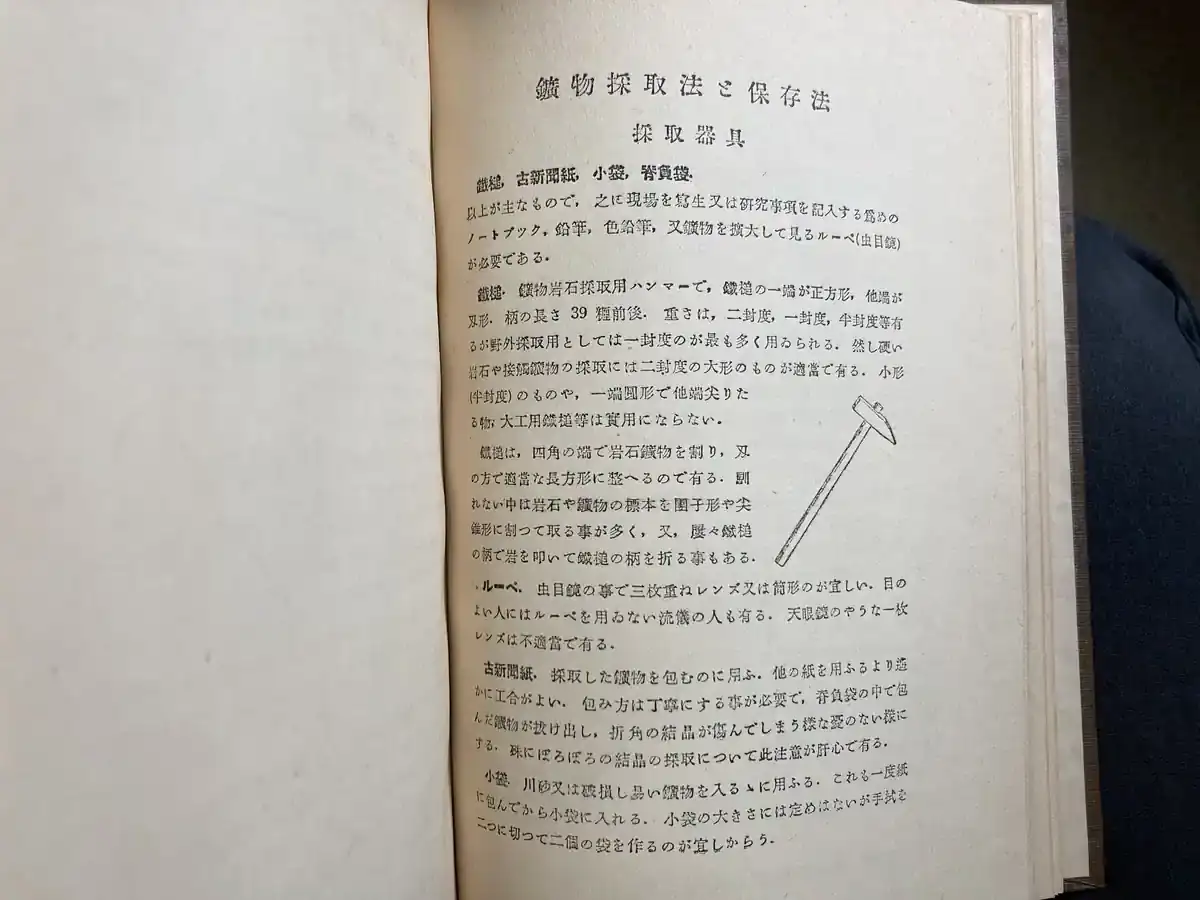
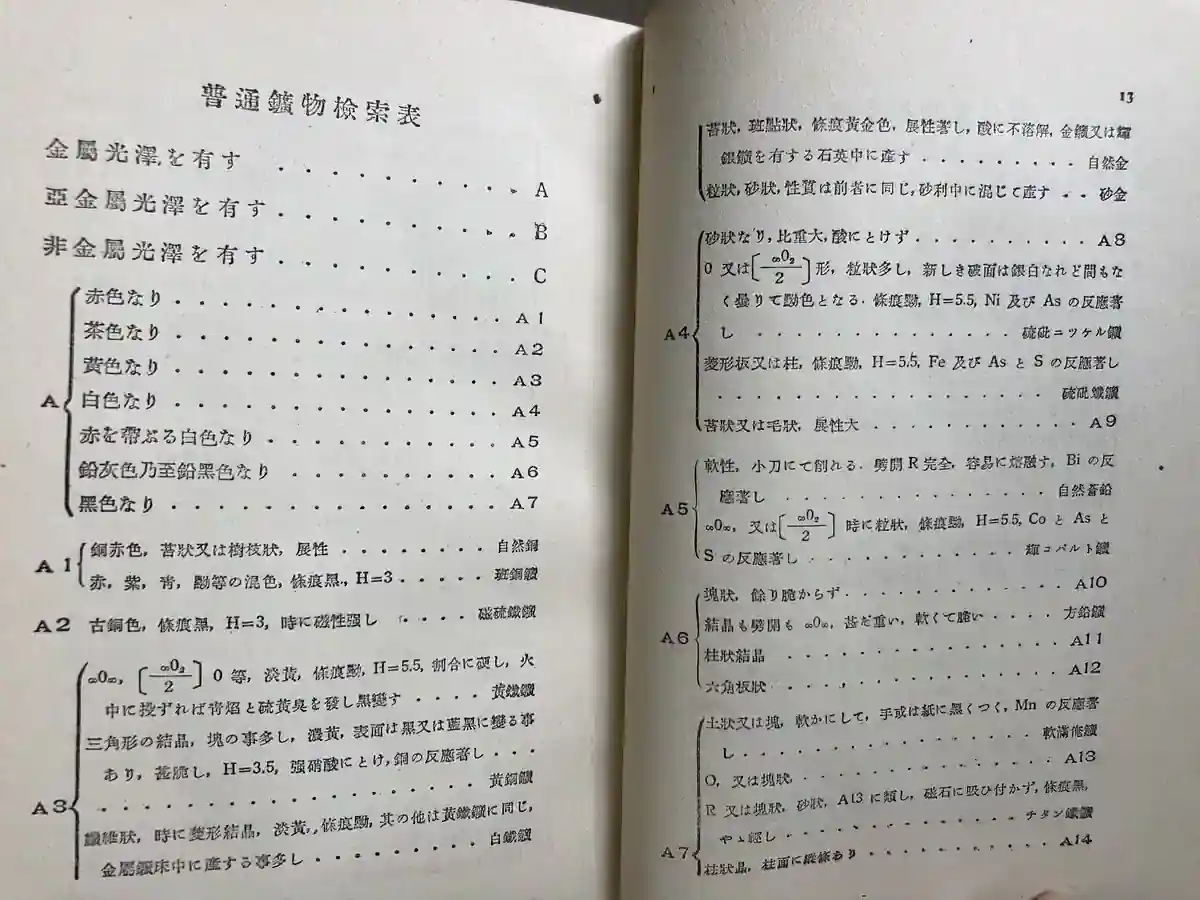
The old atlas includes pages on collecting and testing minerals, with descriptions of visual traits and historical chemical procedures. These are compelling historical documents. Today, mineral identification can combine optical methods with X-ray diffraction, elemental analysis, and spectroscopy, depending on the question. In life-science laboratories, elemental methods such as ICP-MS can complement molecular methods when the amount or distribution of an element matters.
Some historical mineral tests involve heating or hazardous reagents. They are presented here as historical practices rather than instructions for readers to repeat.
So, how much inorganic chemistry does a life scientist need?
Not every molecular biologist needs advanced mineral classification, and not every cell biologist needs to solve a crystal structure. But a working understanding of ionic charge, oxidation state, coordination, acid–base equilibrium, solubility, and metal homeostasis becomes useful surprisingly often.
| Concept | Why it matters in life science |
|---|---|
| Charge and ionic gradients | Membranes, transport, and signaling |
| Coordination | Metalloenzymes and metal-binding proteins |
| Oxidation state | Respiration, reactive species, and electron transfer |
| Solubility and speciation | Buffers, culture media, and mineralized tissues |
| Crystal structure | Biominerals and structural methods |
That is a more realistic educational goal than memorizing every mineral species: learn the inorganic ideas that help explain the living chemistry you actually encounter.
From the bookshelf back to the museum
There is a pleasure in opening a science book from another era. The typefaces, crystal diagrams, and carefully composed color plates turn an abstract subject into a sequence of tangible objects. Scientific knowledge and instrumentation have developed enormously, but the habit of looking closely remains familiar.
For a related travel story, see our visit to the Geological Museum in Hanoi, where wooden display cabinets and enormous mineral specimens provide a very different kind of encounter with the same subject.
References and historical sources
- Maret W, Blower P. Teaching the chemical elements in biochemistry: Elemental biology and metallomics. Biochemistry and Molecular Biology Education. 2022;50:283–289. doi:10.1002/bmb.21614.
- Nam K, et al. Magnesium induced structural reorganization in the active site of adenylate kinase. Science Advances. 2024;10:eado5504. doi:10.1126/sciadv.ado5504.
- Read AD, Bentley RE, Archer SL, Dunham-Snary KJ. Mitochondrial iron–sulfur clusters: Structure, function, and an emerging role in vascular biology. Redox Biology. 2021;47:102164. doi:10.1016/j.redox.2021.102164.
- Satō D. Dai Kōbutsugaku (大鑛物學), Vol. I. Rokumeikan, Tokyo. First published in 1913.
- Wada Y. Genshoku Nihon Kōbutsu Zukan (原色日本鉱物図鑑). Kazama Shobō, 1954.