
Carbohydrate Structure Quiz: 18 Sugars, Chemical Structures, Names, and Classification
Learn the chemical structures and names of 18 monosaccharides and disaccharides, then test yourself with an interactive carbohydrate structure quiz.
Comprehensive web-based toolkit for life science and related technologies (Mass-informatics, Chemoinformatics, Bioinformatics).
One click, One function, One result
BioChemCalc (BCC) is a scientific abacus for the pocket of every wet-lab biologist.
BioChemCalc(BCC) is a web-based tool for essential calculations and checks in everyday life science research. BCC Magazine shares practical uses of BCC and useful research insights to support open and independent science.
Learn the chemical structures and names of 18 monosaccharides and disaccharides, then test yourself with an interactive carbohydrate structure quiz.
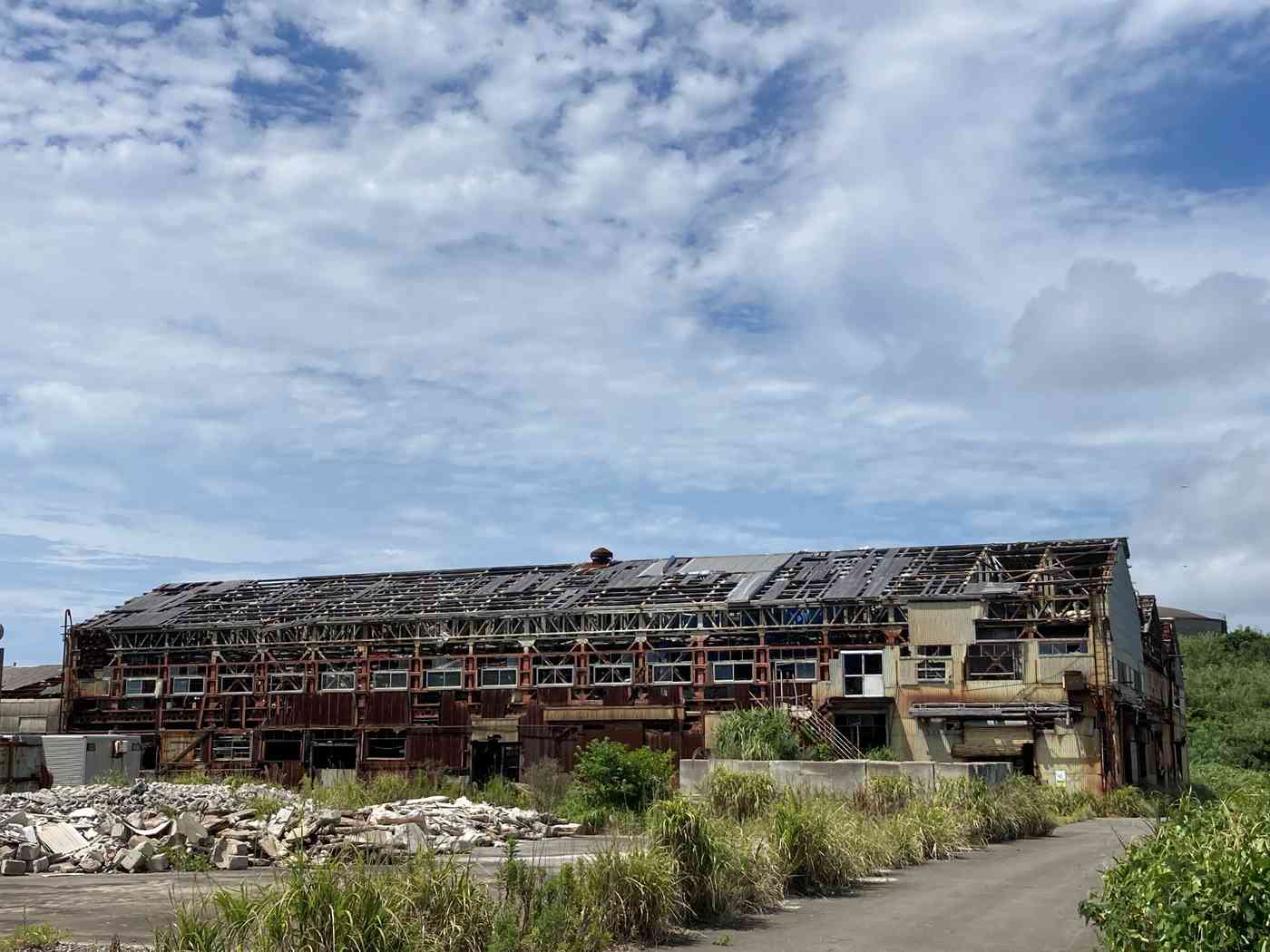
Learn the structures, properties, three-letter codes, and one-letter codes of the 20 standard amino acids, then test yourself with an interactive structure-based quiz.

A 1974 biochemistry textbook shows a glycolytic pathway remarkably similar to the one taught today—but it also reports 38 ATP per glucose. What changed in 50 years, and what stayed the same?

Learn the difference between RPM and RCF (×g), why rotor radius matters, how to convert centrifuge speed correctly, and why reporting RPM alone can reduce experimental reproducibility.

Multiple PCR bands do not always mean failed amplification. Learn how primer specificity, annealing temperature, primer dimers, reaction conditions, contamination, genomic DNA, and alternative splicing can produce unexpected bands, and how to distinguish technical problems from real biology.
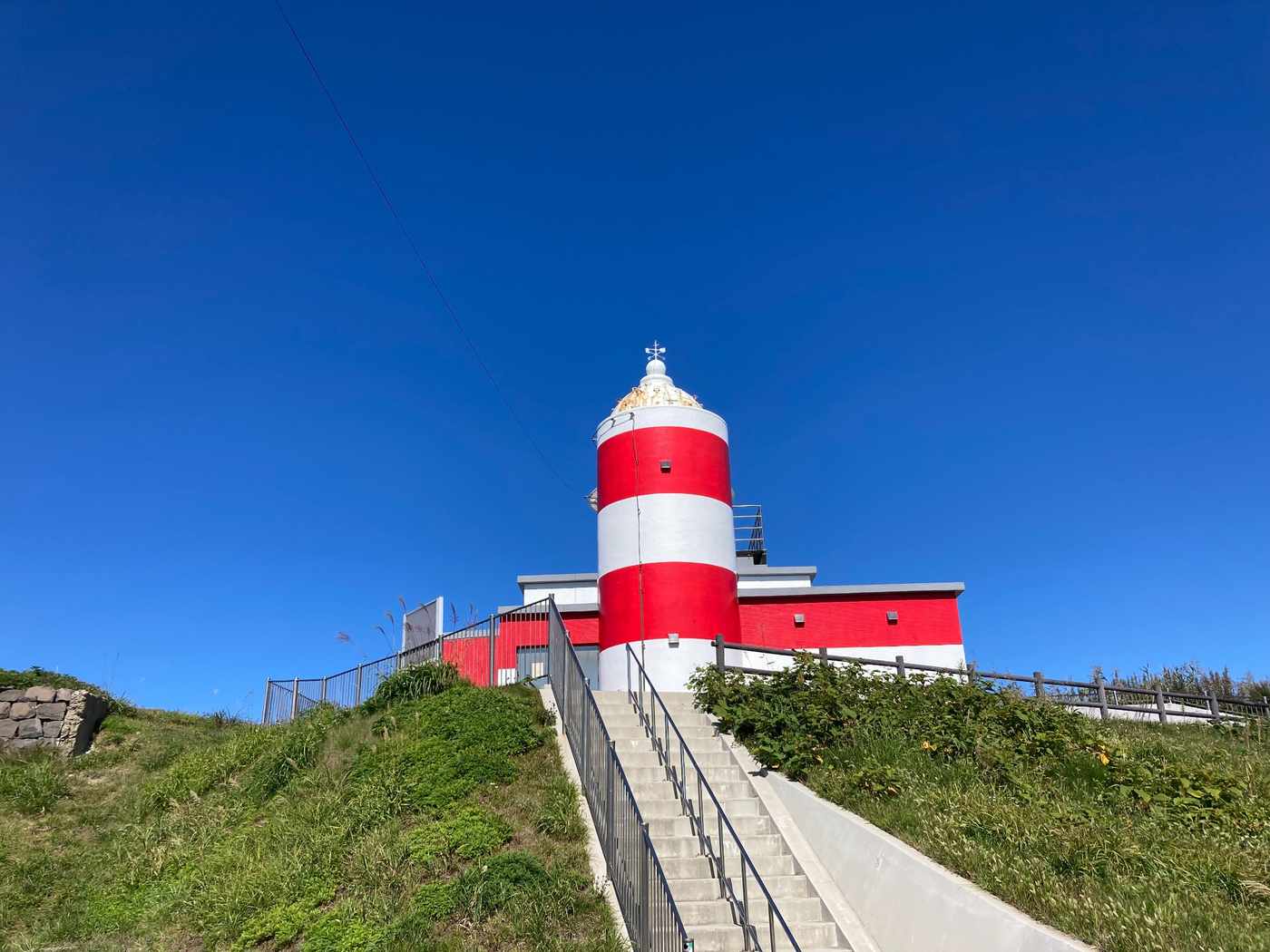
Learn how PCR primer design, agarose gel electrophoresis, DNA ladders, and semi-log calibration can be used to estimate DNA fragment size and support genotyping, SNP detection, sequencing, and cloning.
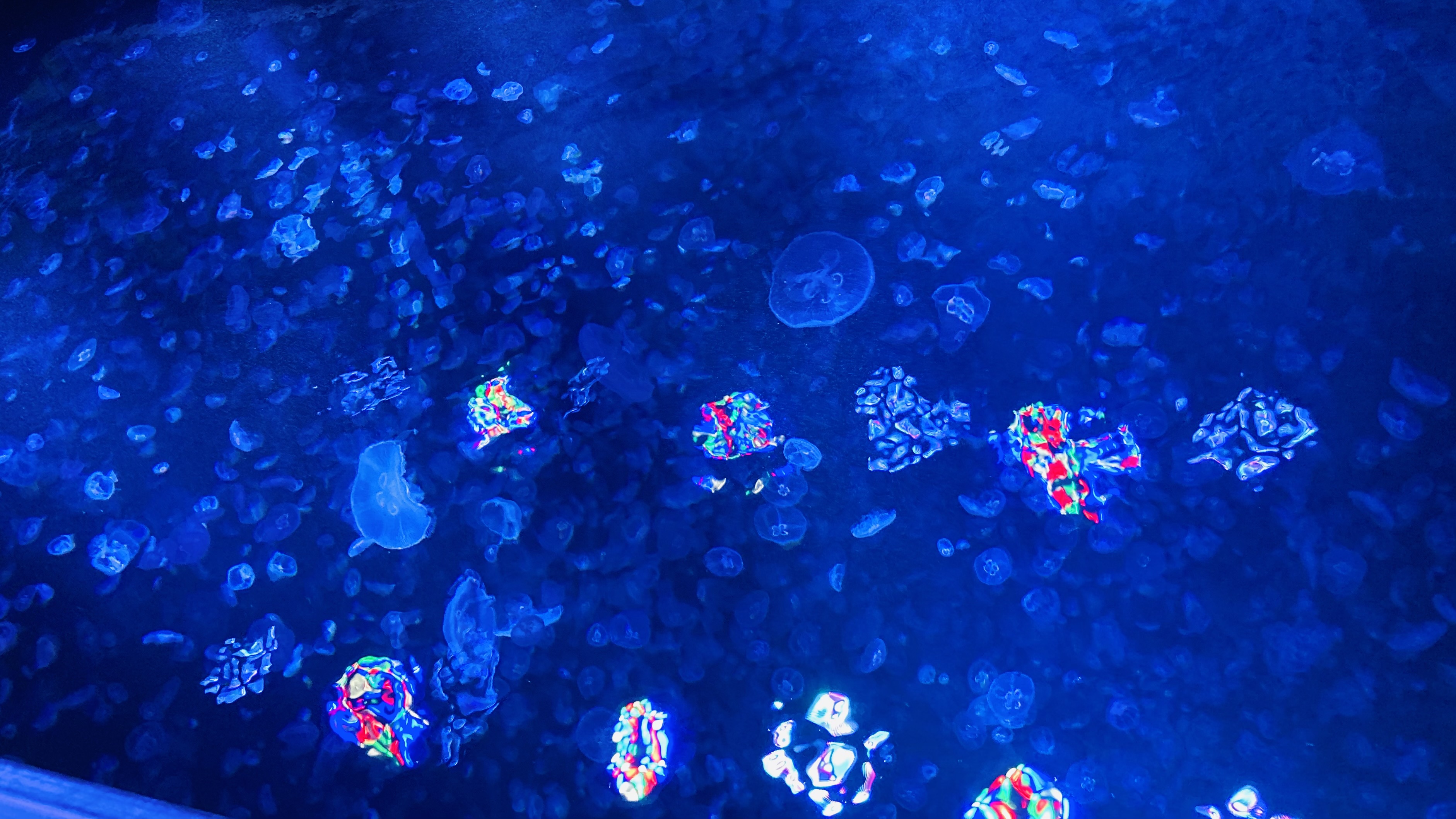
A short reflection on a product made from recycled marine waste plastics,and how it connects marine pollution,materials,chemical analysis,and mass spectrometry.

A practical guide to free BioChemCalc assistant tools for LC and LC/MS workflows,including solvent mass-volume conversion,pressure conversion,column internal volume,and linear velocity calculation.

Learn how to calculate molarity from mass, volume, and molecular weight with simple step-by-step examples.

A basic workflow for analyzing RT-qPCR data by combining statistical testing, heatmap visualization, and hierarchical clustering analysis.

Why converting SMILES into molecular formulas, InChIKeys, and element counts helps with standardization, filtering, validation, and batch preprocessing.

An overview of BCC’s two HeatMap-related tools, their functions, practical uses, and the types of research workflows they support.